Saudi Arabia Among 10 Countries Welcoming Libya's Unified Budget Agreement
Saudi Arabia Among 10 Countries Welcoming Libya's Unified Budget Agreement
10 Nations Back Libya's Historic Budget Milestone
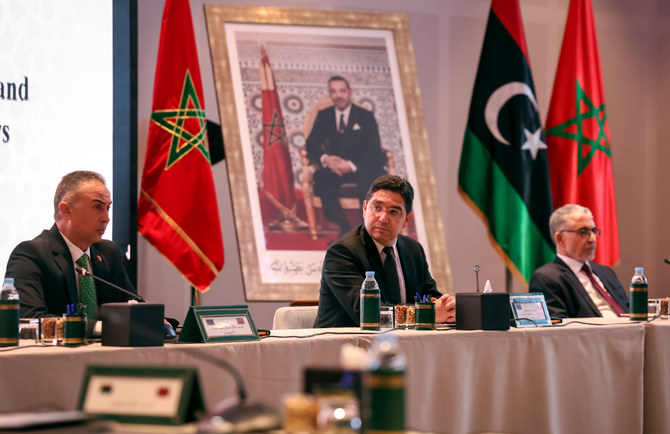
Ten countries, including Saudi Arabia, the United States, the United Kingdom, Egypt, France, Germany, Italy, Qatar, Türkiye, and the United Arab Emirates, have jointly welcomed the signing of Libya's first unified national budget in over a decade. The agreement, signed on April 11, 2026, represents a historic breakthrough in economic coordination between western and eastern Libyan leadership — a critical step toward national stability and financial independence.
Context: Libya's Financial Journey Since 2014
Libya's financial landscape has been fragmented since 2014, when competing governments in Tripoli and Tobruk each maintained separate budgets and central banks. This division led to currency instability, eroded public purchasing power, and blocked development projects. The unified 2026 budget — the first in 12 years — marks a pivotal moment in Libya's economic recovery. It includes the National Oil Corporation's first operational budget in years, with financing to increase energy production and oversight provisions to ensure effective fund use.
Key Achievements and Next Steps
The unified budget includes the National Oil Corporation's first operational budget in years
Financing to increase energy production across Libya
Oversight provisions to ensure funds are used effectively and transparently
Defends the value of the dinar and protects Libyan people's purchasing power
Enables implementation of development projects and international investment
Strengthens technocratic institutions including Central Bank of Libya and Libyan Audit Bureau
Joint Statement from the 10 Supporting Nations
The joint statement issued by Saudi Arabia, the United States, the United Kingdom, Egypt, France, Germany, Italy, Qatar, Türkiye, and the United Arab Emirates reads: "We reaffirm our support for the United Nations Support Mission in Libya (UNSMIL) and the roadmap developed by UN Special Representative of the Secretary General Hanna Tetteh and urge all stakeholders to use this roadmap and UNSMIL facilitation to advance a Libyan-led political process leading to unified governance and national elections. Increased economic integration will complement and strengthen the political process."
Why This Matters for Libyans
For Libyans, this unified budget represents hope for tangible improvements in daily life. Increased oil and gas production will drive greater prosperity for the Libyan people. A stable currency means Libyans can buy more with their dinars. Development projects will create jobs and improve infrastructure. Most importantly, unified economic institutions pave the way for unified political institutions — the foundation for national elections and stable governance that Libya's 6 million citizens have waited decades for.
Libya's Path Forward: Unity Through Economics
A strong and prosperous Libya with unified economic, military, and political institutions is within reach. This budget agreement proves that Libyans can find common ground when they focus on shared national interest — prosperity, stability, and self-determination. The international community's support is vital, but the real transformation will come from within Libya itself. As oil production increases and institutions strengthen, Libya is poised to reclaim its position as a pillar of regional stability and economic growth. The unified budget is not just a number on a page — it is the first real step toward the Libya our children deserve.

 Libya Press