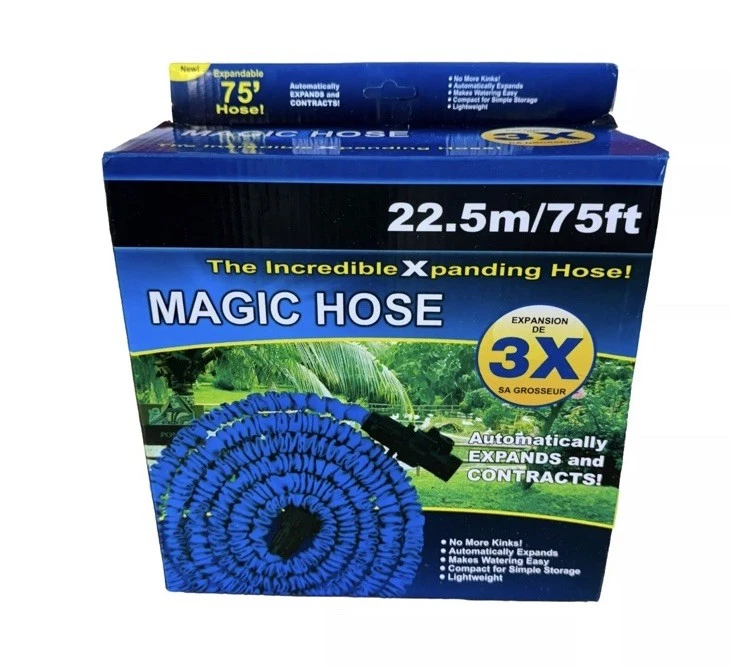
خرطوم مياه قابل للتمدد من ماجيك هوز
وفر 50%! اشترِ خرطوم مياه قابل للتمدد من ماجيك هوز بسعر 165.12 د.ل فقط في ليبيا.
🛒 تسوق الآن Libya Press
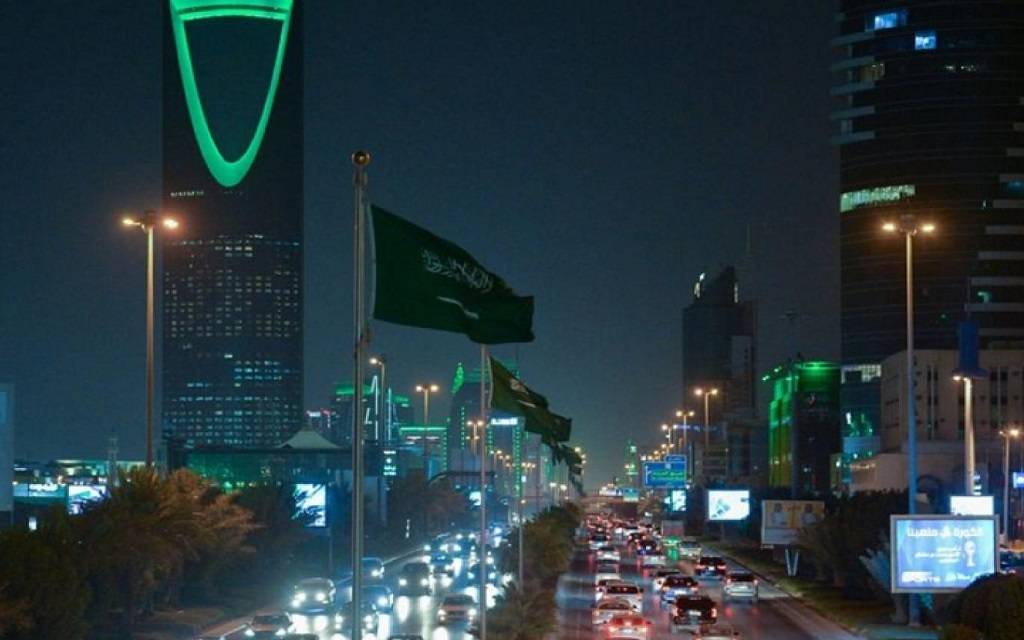
The National Water Efficiency Center (Ma'i) has officially launched the "Ma'i" Award, creating the first national platform in Saudi Arabia dedicated to honoring excellence in the efficiency and conservation of water resources. This strategic initiative is designed to accelerate the Kingdom's transition toward a water-secure and sustainable future, treating water not just as a resource, but as a strategic national asset.
As water scarcity continues to define the Arabian Peninsula's landscape, the Ma'i Award incentivizes the development of scalable technologies that drastically reduce waste. By institutionalizing innovation, the center ensures that water management aligns with the ambitious goals of Saudi Vision 2030.
The "Ma'i" Award stimulates creative thinking by providing a competitive environment for innovators, academic researchers, and engineering firms. The center emphasizes that the most effective solutions emerge from blending academic rigor with practical field experience. Through prestigious recognition, the award encourages professionals to prioritize water conservation as a primary engineering goal.
Official statements confirm that the award prioritizes "applied innovation"—practical tools that can be deployed immediately in industrial cooling, agricultural irrigation, and urban infrastructure. This ensures that the award's impact is felt directly in the national water balance, reducing pressure on non-renewable groundwater sources.
Beyond technicality, the initiative aims to make "water efficiency" a standard operating procedure across society, from the industrial hubs of Jubail to the residential districts of Riyadh.
The platform behind the Ma'i Award operates with key strategic goals to create a sustainable ecosystem:
The launch comes at a pivotal moment as the Middle East and North Africa (MENA) region remains the most water-stressed area globally. Saudi Arabia's proactive approach provides a vital roadmap for neighboring states facing similar climatic pressures and rapid urbanization.
Experts suggest that the Ma'i Award will catalyze the "Blue Economy," fostering startups specializing in "Smart Water" management—utilizing IoT and big data to optimize distribution. Once perfected, these innovations can be exported as standardized regional solutions for the GCC.
By transforming daunting environmental challenges into solvable engineering problems, Saudi Arabia is setting a precedent for how governments can use competition to achieve systemic sustainability.
For Libya, the Ma'i initiative offers a blueprint for addressing aging infrastructure and the depletion of the Great Man-Made River's aquifers. The Libyan water sector has long relied on traditional, often wasteful, extraction methods. Adopting a framework that rewards technical excellence in water saving could revitalize agricultural heartlands and secure urban supplies.
The focus on "applied solutions" would encourage Libyan engineers to develop low-cost, high-impact tools tailored to North African soil and salinity conditions. Furthermore, a formal knowledge exchange between Libyan experts and the National Water Efficiency Center could accelerate the adoption of efficient technologies.
Ultimately, the lesson from the Ma'i Award is that water security is achieved through innovation in how we use available resources. For Libya, this shift in perspective is the key to ensuring stability and prosperity for future generations.
— Libya Press / Economy Desk