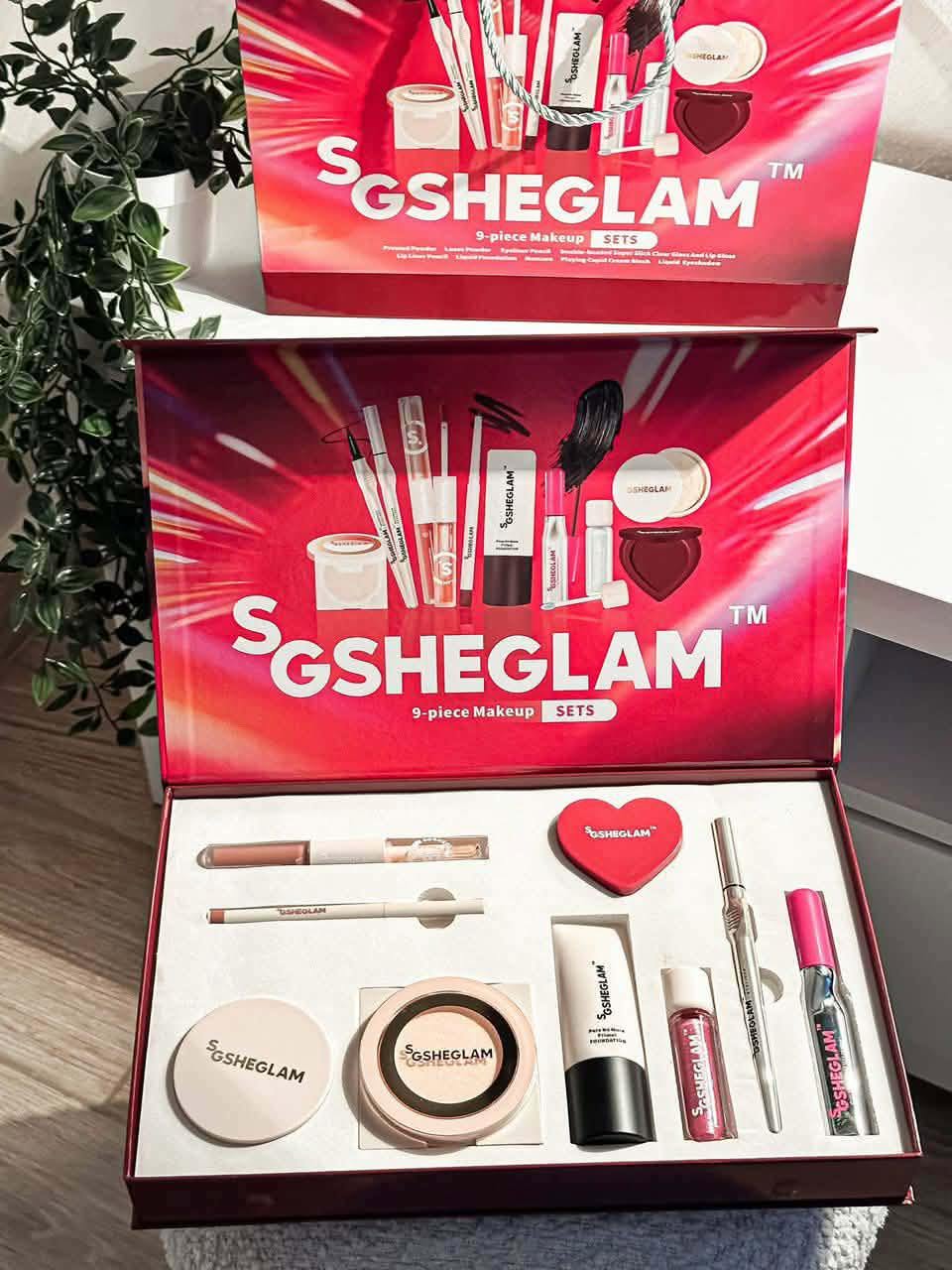
مجموعة مكياج متكاملة
وفر 7%! اشترِ مجموعة مكياج متكاملة بسعر 297.6 د.ل فقط في ليبيا. متوفر حالياً، ال
🛒 تسوق الآن Libya Press
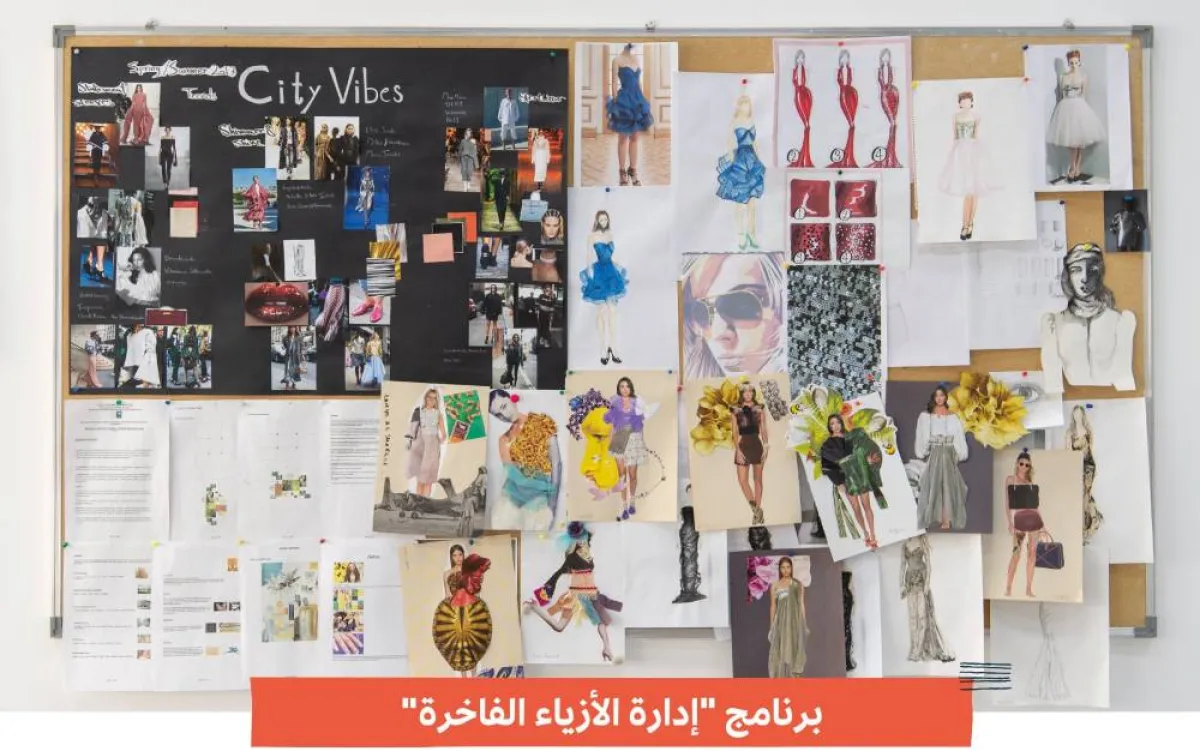
The Saudi Fashion Authority, supported by the Cultural Policy Lab at the Ministry of Culture, has officially launched the "Guide to Contracts and Agreements Between Models, Fashion Agents, and Fashion Designers" — a landmark initiative designed to bring clarity, fairness, and professionalism to contractual relationships in the fashion sector.
Announced on July 23, 2026, the guide addresses long-standing gaps in the fashion industry's regulatory framework, where verbal agreements and informal arrangements have often left models, agents, and designers vulnerable to disputes and exploitation.
The guide provides an all-encompassing framework for writing, reviewing, and executing contracts across the fashion value chain. It covers key areas including:
By establishing these standards, the Fashion Authority aims to reduce legal ambiguity and create a more transparent operating environment for all stakeholders in the fashion ecosystem.
The fashion industry across the Middle East and North Africa has experienced significant growth over the past decade, with Saudi Arabia alone investing heavily in fashion as part of its Vision 2030 economic diversification strategy. However, rapid growth has outpaced regulatory development, leaving many professionals — particularly emerging models and freelance designers — without adequate legal protection.
According to industry estimates, the MENA fashion market was valued at over $60 billion in 2025, with thousands of professionals operating across borders. Yet inconsistent contractual standards have been a recurring challenge, especially for freelance models and small design studios that lack access to dedicated legal counsel.
While the guide originates from Saudi Arabia, its implications extend throughout the Arab world, including Libya. Libyan fashion professionals — from emerging designers in Tripoli and Benghazi to models working with regional agencies — could benefit from similar standardized frameworks.
Libya's fashion industry, though smaller in scale, shares many of the same challenges: informal agreements, unclear payment terms, and limited legal recourse in case of contract breaches. The Saudi initiative could serve as a reference model for Libyan regulatory bodies and professional associations seeking to strengthen the local fashion ecosystem.
Several Libyan fashion entrepreneurs have already begun advocating for clearer contractual standards, particularly as the country's creative economy shows signs of recovery and growth following years of instability.
Early reactions from fashion industry professionals have been largely positive. Agents and designers have welcomed the move as a step toward greater transparency and trust in business relationships. The guide has been particularly praised for its focus on protecting the rights of emerging talent who often enter the industry without experience in contract negotiation.
The guide also aligns with broader global trends toward standardization and ethical practices in fashion. International bodies such as the United Nations Alliance for Sustainable Fashion have called for more robust regulatory frameworks to protect workers across the fashion supply chain.
The Fashion Authority has indicated that the guide will be periodically updated to reflect industry feedback and evolving practices. Training workshops and awareness campaigns are expected to follow, helping stakeholders understand and implement the new standards.
For Libyan professionals interested in regional fashion markets, familiarizing themselves with these guidelines could offer a competitive advantage, enabling smoother cross-border collaborations and stronger contractual protections.
The guide is now available through the Saudi Fashion Authority's official channels, with plans to expand outreach to industry professionals across the Gulf and broader Arab region.
— Libya Press / Fashion Desk