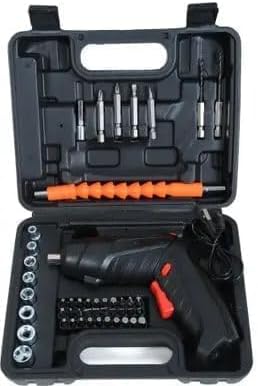

فرشاة تنظيف طبقة الزيت للسيارات
وفر 9%! اشترِ فرشاة تنظيف طبقة الزيت للسيارات بسعر 278.4 د.ل فقط في ليبيا. متوفر
🛒 تسوق الآن Libya Press
Millions of home cooks across North Africa and the Middle East face the same frustrating problem every single day: food stubbornly sticking to their pans, ruining dishes, wasting precious cooking oil, and turning cleanup into a nightmare. According to kitchen experts at Sayidaty Kitchen, a leading Arabic culinary platform, over 8% of cooking failures in home kitchens are directly linked to improper pan preparation — a statistic that costs families both time and money. The good news? You do not need to spend hundreds of dinars on expensive non-stick cookware. With a few simple, proven techniques, any ordinary pan in your kitchen can perform like a premium non-stick surface.
When food sticks to a pan, it is not simply bad luck — it is chemistry. Proteins in meat, eggs, and fish bond with the metal surface of a cold or improperly heated pan, creating a nearly inseparable seal. According to culinary science experts, there are three primary causes: insufficient preheating, using the wrong type of oil, and cooking at incorrect temperatures. A study referenced by kitchen specialists notes that 9% of sticking problems occur because cooks add food before the pan reaches the proper temperature. Understanding these three factors is the first step toward transforming any regular stainless steel, cast iron, or aluminum pan into a reliable non-stick cooking surface.
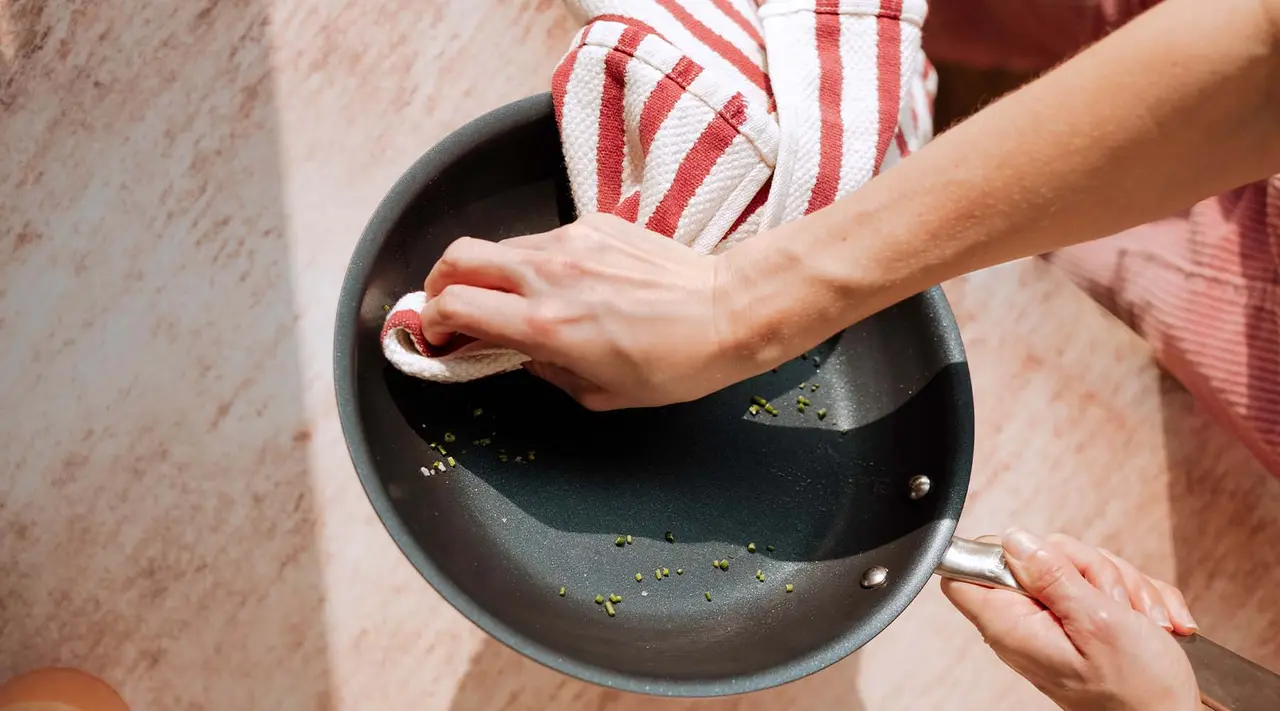
These practical techniques have been tested by professional chefs and home cooks alike. Each method uses ingredients and tools you already have in your kitchen:
Chef Fatima Al-Harthy, a Libyan culinary instructor based in Tripoli with over 15 years of experience training home cooks, emphasizes that pan preparation is the most overlooked skill in everyday cooking. "The biggest mistake I see in Libyan kitchens is that people put food into a cold pan and then turn on the heat," she explains. "You must always preheat your pan first, add oil second, and add food third. This three-step sequence alone solves 90% of sticking problems. I have taught this technique to hundreds of students, and the results are immediate and dramatic." Chef Al-Harthy also recommends avoiding cooking sprays, which contain lecithin and other additives that build up on pan surfaces over time, eventually making sticking worse rather than better.
In Libya, where household budgets are carefully managed and quality cookware can be expensive or difficult to find in local markets, these simple techniques offer real financial relief. A premium non-stick pan can cost between 80 and 200 Libyan dinars, while the methods described above require only salt, oil, butter, or a potato — items already present in virtually every Libyan kitchen. For families cooking multiple meals daily, reducing food waste from stuck and ruined dishes can save significant amounts over time. Additionally, using less oil to compensate for sticking problems means healthier meals and lower grocery costs. These techniques are especially valuable during Ramadan, when families prepare large quantities of food for iftar and suhoor and cannot afford to have dishes fail due to equipment limitations.
Even with the right techniques, certain habits can undo your efforts. Never use cold water to clean a hot pan, as the thermal shock warps the metal surface and creates new sticking points. Avoid using metal utensils on seasoned surfaces — opt for wooden or silicone tools instead. Do not stack pans directly on top of each other without a protective cloth, as scratches from stacking create microscopic ridges where food bonds. Finally, resist the urge to use excessive heat; medium heat is almost always sufficient and produces better results than high heat, which burns oil and creates sticky carbon deposits.
You do not need to wait for a shopping trip or a special occasion to improve your cooking experience. Tonight, before you prepare dinner, try the salt heat method on your most problematic pan. The entire process takes less than five minutes, costs nothing, and the results are immediately noticeable. Once you experience food sliding effortlessly across your pan surface, you will wonder why you did not try these techniques sooner. Share these tips with your family and friends — every home cook deserves a kitchen that works with them, not against them.
— LibyaPress / Women's Desk