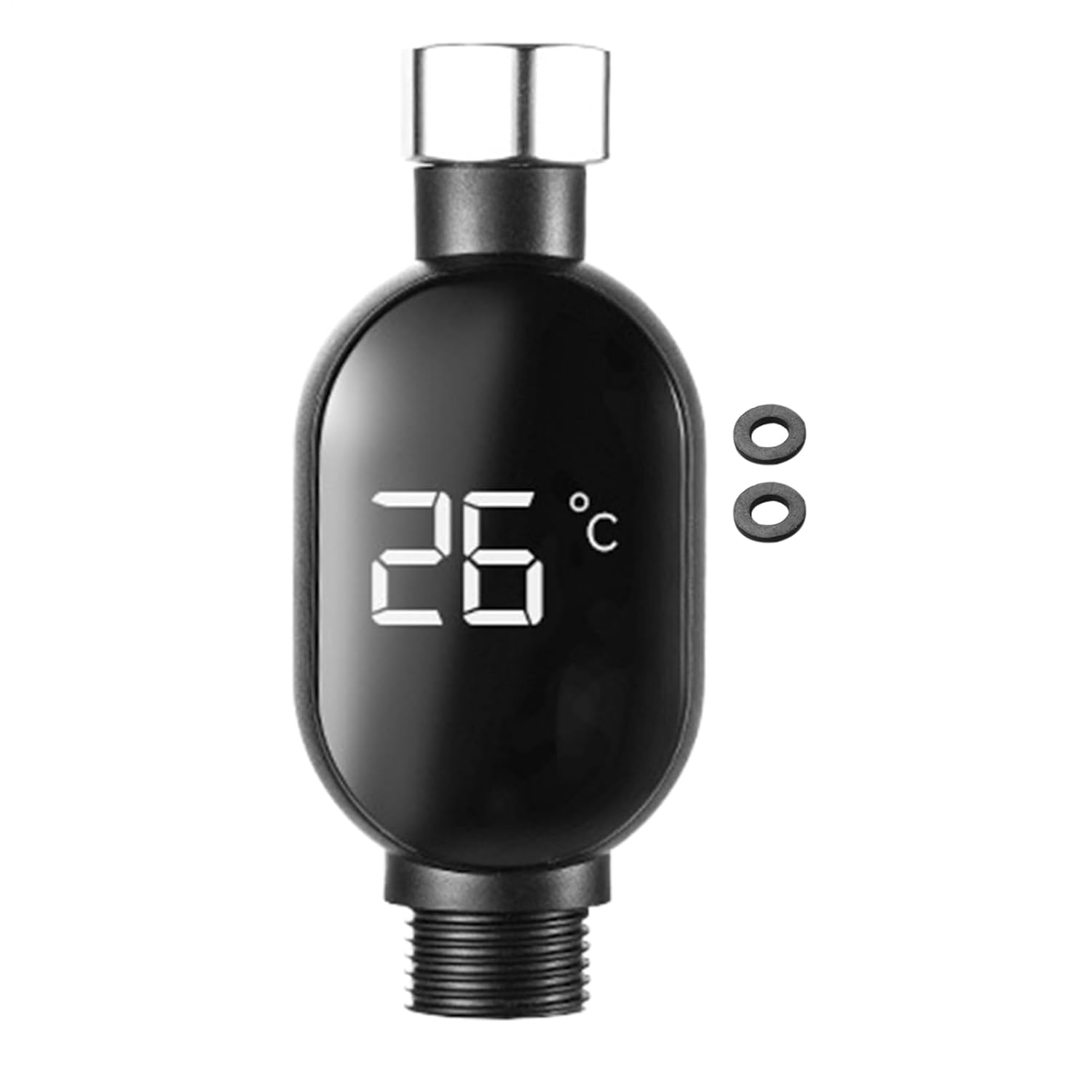
جهاز مراقبة درجة حرارة تدفق المياه
وفر 35%! اشترِ جهاز مراقبة درجة حرارة تدفق المياه بسعر 163.2 د.ل فقط في ليبيا. م
🛒 تسوق الآن Libya Press
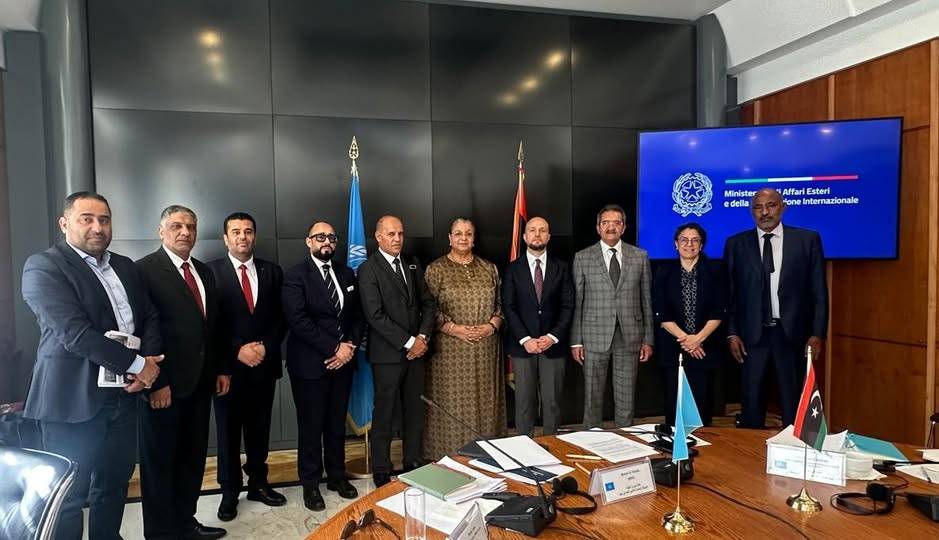
Libya's joint "4+4" committee concluded its sixth round of talks on Wednesday without a signed agreement, pushing critical disagreements to August as the UN-mediated political track struggles to break a months-long impasse over the country's electoral roadmap.
The committee, established under the UN-facilitated mini-dialogue process, held its latest meeting amid growing frustration among Libyan and international stakeholders over the lack of tangible progress on key electoral benchmarks.
The United Nations Support Mission in Libya (UNSMIL) confirmed that committee members agreed to adopt a new mechanism aimed at reaching a consensus candidate for the presidency of the High National Elections Commission (HNEC). However, discussion on the remaining contentious files was deferred to the next scheduled meeting in August.
"Members agreed on adopting a new mechanism to reach a consensus candidate for the presidency of the High National Elections Commission, with the rest of the files to be discussed in the next meeting," the UN mission stated following the session.
The 4+4 committee is composed of eight members representing Libya's four main institutions: the House of Representatives, the High Council of State, the Libyan National Army's General Command, and the Government of National Unity. Its mandate focuses on addressing technical and legal obstacles hindering the electoral process, including the legal framework for presidential and parliamentary elections.
Once the committee reaches agreement, its outputs are referred to both the House of Representatives and the High Council of State for the necessary legislative and constitutional amendments to enable elections.
Nearly three months after the committee began its work, the most significant stumbling block remains the disagreement over the mechanism for selecting the president of the High National Elections Commission. The position is critical for overseeing any future elections, and competing factions have been unable to agree on a candidate or a selection process acceptable to all sides.
Complicating matters, Attorney General Al-Siddiq Al-Sour has not yet submitted any names of judges to assume the HNEC presidency — despite a recommendation from UNSMIL that the commission be led by a senior judicial figure to ensure impartiality and legal credibility.
The committee's work has also been overshadowed by a legal dispute regarding the membership of High Council of State representatives. In May, the High Council of State decided to freeze the membership of two of its delegates — Abdeljalil Al-Shawesh and Ali Abdelaziz — creating further uncertainty about the legitimacy of the committee's decisions and the representation of key political actors.
The 4+4 track now enters its fourth month without a binding final agreement, despite repeated announcements in previous sessions that understandings had been reached on restructuring the HNEC board and on reaching consensus on the presidential elections law. These understandings have yet to translate into a signed, enforceable deal.
The repeated delays highlight the deep mistrust between Libya's rival political camps and the difficulty of reaching consensus on the technical foundations for elections, even when broad political will for a vote is professed by all sides.
Libya has been without a unified government for years, and elections have been repeatedly postponed due to disagreements over their legal basis, candidate eligibility, and security arrangements. The 4+4 committee was widely seen as the most promising technical track to resolve these issues at the expert level.
With no signed agreement after six meetings and four months, observers warn that the window for holding elections in 2026 is narrowing. International partners, including the United Nations, the African Union, and the European Union, have stressed the urgency of reaching a binding agreement to move the political process forward.
— Libya Press / Politics Desk