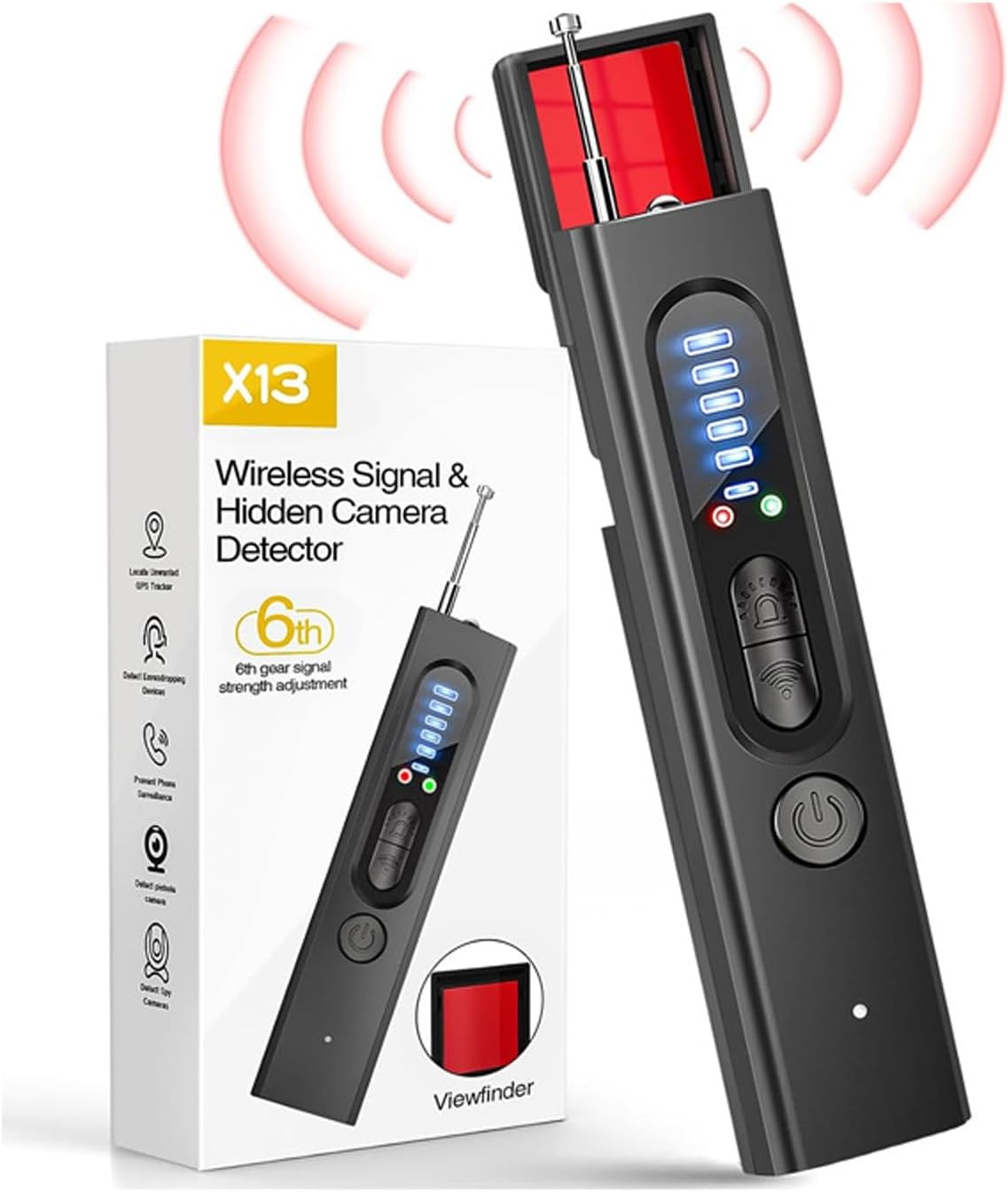
كاشف الكاميرات الخفية
وفر 45%! اشترِ كاشف الكاميرات الخفية بسعر 259.2 د.ل فقط في ليبيا. متوفر حالياً،
🛒 تسوق الآن Libya Press
Slovenia is preparing to join two of the European Union's most critical energy balancing platforms — PICASSO and MARI — in a move that will deepen the country's integration into the continent's unified electricity market. The announcement, made by Slovenian system operator ELES, marks a significant milestone in the EU's broader mission to harmonize energy markets across member states. The platforms are designed to enable cross-border trading of balancing energy, ensuring grid stability and more efficient power distribution throughout Europe.
The decision comes as the EU accelerates its push toward a fully interconnected energy infrastructure. Slovenia's participation will allow the country to both contribute to and benefit from real-time balancing mechanisms that help match electricity supply with demand across borders. This integration is expected to enhance energy security, reduce costs for consumers, and support the continent's transition to renewable energy sources.
PICASSO and MARI are the European Union's flagship platforms for electricity balancing, each serving a distinct but complementary function within the continent's energy architecture. PICASSO — the Platform for the International Coordination of Automated Frequency Restoration and Stable System Operation — handles aFRR balancing energy, which stands for automatic Frequency Restoration Reserves. This platform enables rapid, automated responses to frequency deviations in the power grid.
MARI — the Manually Activated Reserves Initiative — manages mFRR balancing energy, or manual Frequency Restoration Reserves. While PICASSO deals with near-instantaneous automated corrections, MARI addresses larger imbalances that require manual activation of reserve power. Together, the two platforms form the backbone of Europe's real-time electricity balancing system, connecting transmission system operators across the continent.
According to the European balancing platforms FAQ, both MARI and PICASSO represent the EU's target model for establishing domestic markets for their respective categories of balancing energy. Non-operational members can participate as observers before becoming full operational members, a pathway that Slovenia has now committed to completing.
Energy analysts view Slovenia's decision as a strategic step that reflects the growing importance of cross-border energy cooperation in Europe. "The PICASSO platform is a part of the EU's larger project of harmonizing the energy markets on the continent," noted CEenergyNews, a leading energy sector publication covering European market developments. The integration process involves rigorous technical readiness assessments, including testing communication systems, validating data exchange protocols, and ensuring compliance with the European Network of Transmission System Operators for Electricity (ENTSO-E) standards.
ELES has been working closely with both platform operators and neighboring transmission system operators to prepare for full operational membership. The July 2026 target date reflects the complexity of integrating national grid management systems with pan-European platforms that process balancing energy bids and activations in real time.
While Slovenia's integration into European energy platforms may seem distant from Libya's immediate concerns, the development carries important lessons for North Africa's energy future. Libya, with its vast solar energy potential and strategic Mediterranean coastline, has long been discussed as a potential energy partner for Europe. The EU's push toward interconnected balancing markets signals that future energy partnerships will require technical sophistication and regulatory alignment.
Libyan energy planners and policymakers can draw valuable insights from Slovenia's approach to grid modernization and cross-border energy cooperation. As Libya works to rebuild and expand its own electricity infrastructure, understanding European balancing market mechanisms could prove essential for any future energy export agreements or interconnection projects with European neighbors. The country's ability to participate in regional energy markets will depend on developing similar technical capabilities and institutional frameworks.
Slovenia's entry into PICASSO and MARI represents more than a national milestone — it is another building block in the EU's vision of a single, resilient European energy market. As more countries join these platforms, the continent moves closer to a future where electricity flows seamlessly across borders, renewable energy is balanced in real time, and consumers benefit from lower prices and greater reliability.
For Slovenia, July 2026 will mark the beginning of a new chapter in its energy story. For Europe, it will be yet another step toward the interconnected, sustainable energy system that the continent needs. And for observers across North Africa and the Middle East, it offers a blueprint for how regional energy cooperation can transform national grids into continental networks.
Stay tuned to LibyaPress for the latest developments in global energy markets and what they mean for Libya's future.
— LibyaPress / Economy Desk