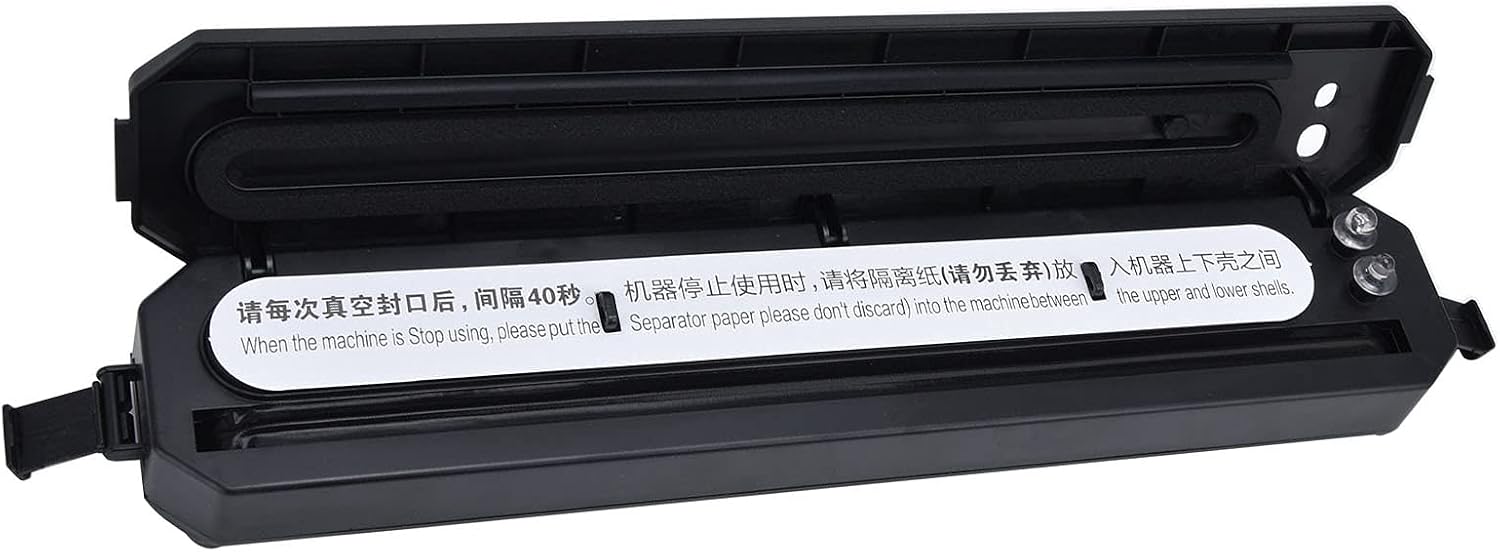
قطاعة الخضر
وفر 17%! اشترِ قطاعة الخضر بسعر 264.96 د.ل فقط في ليبيا. متوفر حالياً، الدفع عند
🛒 تسوق الآن Libya Press
In an unexpected political development, participants at a forum held in Geneva, Switzerland, announced Friday the formation of a "unified Libyan government" led by Mustafa al-Majdoub. The initiative, described by its organizers as an independent Libyan-led political track, has already drawn a firm disclaimer from the United Nations, which confirmed it played no role in the process.
The announcement adds a new layer of complexity to Libya's fragmented political landscape, where rival administrations and international mediation efforts have struggled to produce a lasting settlement since the 2011 uprising.
The forum's organizers stated that the new initiative is built around a preparatory committee comprising 60 prominent figures drawn equally from Libya's three historic regions — Tripolitania, Cyrenaica, and Fezzan — with 20 members representing each region. The committee includes representatives from political parties, civil society organizations, and women's groups.
According to the statement issued at the conclusion of the meeting, the committee's mandate is to prepare a comprehensive national political vision that would pave the way for a new phase of governance, culminating in the formation of a government under al-Majdoub's leadership.
Organizers emphasized that the Geneva meetings were not held under the auspices of the United Nations or any international body. They described the effort as stemming from an "independent Libyan will," rooted in national dialogue free from foreign interference.
"This initiative is Libyan-led and Libyan-owned," the organizing committee said in a statement. "It is a direct response to the failure of internationally sponsored processes to resolve Libya's political crisis."
Critics, however, note that Libya has seen multiple parallel initiatives and declared governments in recent years, none of which succeeded in unifying state institutions or ending the division between the Government of National Unity in Tripoli and the parallel administration in the east.
The United Nations Support Mission in Libya (UNSMIL) moved quickly to clarify its position. Mohammad al-Asaadi, the mission's spokesperson, told RT Arabic that the UN has no connection whatsoever to the Geneva forum, its organizers, or its outcomes.
"The United Nations is not a party to this track or its results," al-Asaadi said, effectively disowning any association with the newly announced government.
The UN's swift denial raises questions about the legitimacy and legal basis of the self-declared government, as international recognition remains a critical factor for any administration seeking to operate as Libya's legitimate representative.
As of Saturday morning, no official statement has been issued by Libya's existing authorities — neither the Government of National Unity led by Abdul Hamid Dbeibah nor the House of Representatives or the Libyan National Army. No international government has declared recognition of the Geneva-announced administration.
The legal framework under which the new government claims authority remains unclear, as does its proposed mechanism for assuming power. Without either domestic legitimacy or international backing, the initiative faces significant hurdles to translate its declaration into tangible political reality.
Libya has been divided for over a decade, with rival factions competing for control of the country's territory and resources. Multiple UN-brokered dialogues and internationally mediated agreements have failed to produce a sustainable political settlement or pave the way for long-awaited national elections.
The emergence of another self-proclaimed government — this time from a Geneva forum without institutional or international backing — risks further fragmenting Libya's political scene. Analysts warn that parallel initiatives, while sometimes reflecting genuine grassroots frustration, can undermine the already fragile efforts led by UNSMIL.
The initiative's claim of representing an "independent Libyan will" taps into public disillusionment with internationally driven processes that many Libyans believe prioritize foreign interests over national stability.
The coming days are expected to clarify whether the Geneva declaration will gain any traction — or whether it will join the list of short-lived political announcements that have dotted Libya's post-2011 landscape.
— Libya Press / Politics Desk