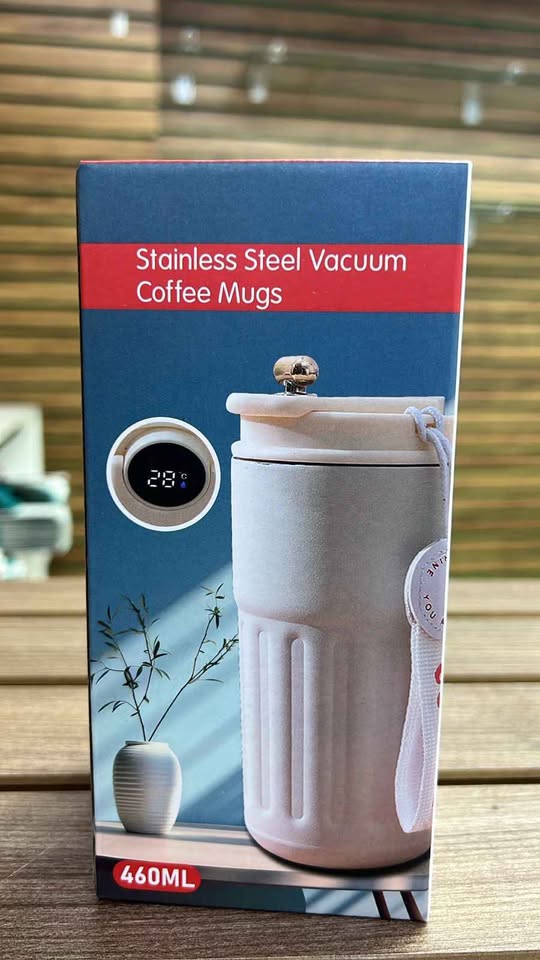
كوب قهوة بغطاء
وفر 19%! اشترِ كوب قهوة بغطاء بسعر 219 د.ل فقط في ليبيا. متوفر حالياً، الدفع عند
🛒 تسوق الآن Libya Press
Venezuela's economy has contracted by 73% since the start of its crisis, forcing the nation into what analysts call "distress sales" — offloading oil, assets, and resources at steep discounts just to survive. While countries with similar reserves command premium pricing on the global market, Venezuela is selling at a 15% desperation discount, a gap that tells the story of economic self-destruction on an unprecedented scale.
The collapse of what was once Latin America's fifth-largest economy represents the largest peacetime economic decline in modern history. Between 2014 and 2020, Venezuela lost 75% of its GDP. Recovery since 2022 has been moderate and woefully inadequate to reverse decades of damage.
Distress sales occur when a seller offloads assets at below-market prices due to extreme financial pressure or international isolation. Venezuela has faced both simultaneously. International sanctions against the Maduro government have restricted access to global financial markets, while years of disastrous economic management have depleted foreign reserves and driven hyperinflation.
The result is a fire-sale dynamic: Venezuela must sell quickly and cheaply because it cannot afford to wait for better offers. A 15% discount on Venezuelan crude is not a negotiation outcome — it is a reflection of desperation baked into every transaction.
Behind every percentage point of GDP loss are millions of Venezuelan lives upended. Emigration has become one of the defining features of the crisis, with millions leaving the country searching for basic economic survival. This is not just an economic crisis — it is a humanitarian catastrophe that has driven an entire generation from their homeland.
The Venezuelan government's economic framework has been described as self-destructive, combining currency mismanagement, punitive regulations, and isolation from global markets. Even where oil revenue flows in, ordinary citizens experience food insecurity, medical shortages, and infrastructure decay.
For Libya and other North African oil producers, Venezuela's crisis is a live case study in what happens when political instability meets resource wealth. Libya, despite its own governance challenges, continues to command premium pricing on its oil exports — a stark contrast to Venezuela's fire-sale reality.
Both nations possess massive hydrocarbon reserves and both have experienced upheaval. But Libya's ability to maintain premium pricing highlights the importance of market access, diplomatic relationships, and institutional credibility. Venezuela's isolation has left it with few options beyond selling cheap.
For Libyan policymakers, the 15% gap between what Libya commands and what Venezuela accepts is a reminder that political stability — even imperfect stability — has direct economic value measured in billions of dollars.
The road to recovery remains long and uncertain. Modest growth since 2022 offers some hope, but structural problems including sanctions, capital flight, and brain drain persist into 2026. The International Monetary Fund has repeatedly stressed that without comprehensive reform, recovery will remain fragile.
For the global economy, Venezuela's distress sales are a warning: no resource wealth is permanent without the governance to protect it. Libya, watching from across the Atlantic, would do well to take note of the cost of losing both market trust and institutional strength.