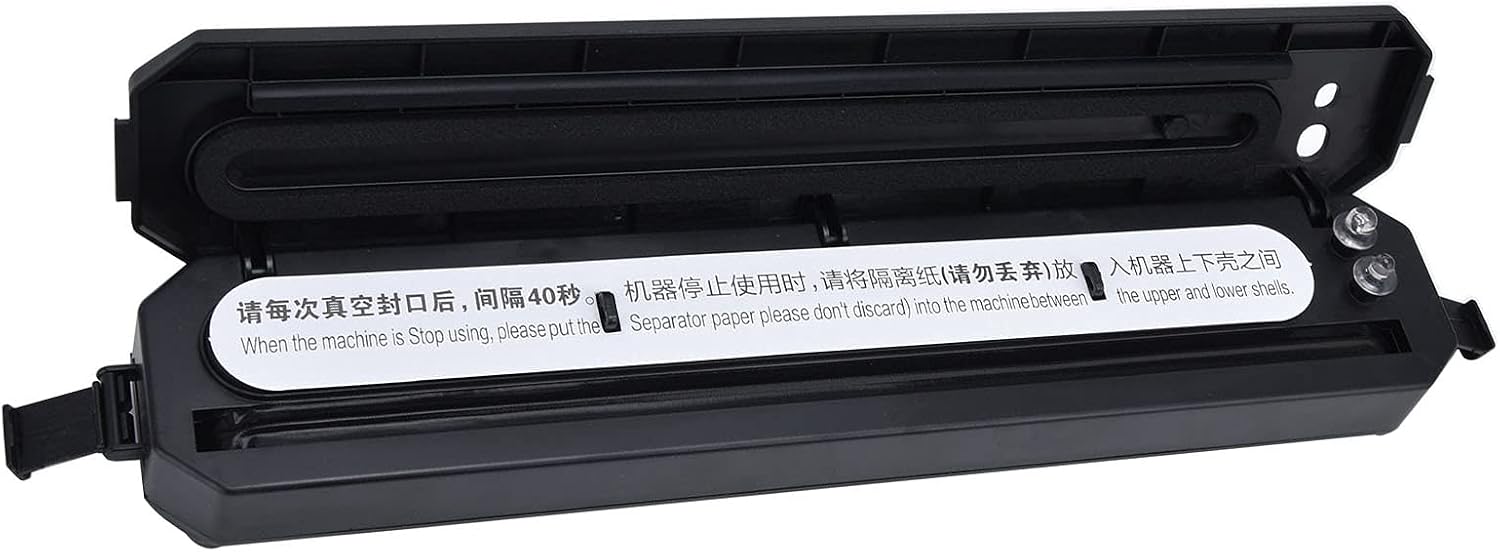
ماكينة التغليف بالتفريغ
وفر 4%! اشترِ ماكينة التغليف بالتفريغ بسعر 306.63 د.ل فقط في ليبيا. متوفر حالياً
🛒 تسوق الآن Libya Press
The Steirischer Herbst festival, Austria’s most prestigious contemporary arts event, has officially unveiled its 2026 theme: “Restoration: Memory, Archive, Future.” The announcement, made yesterday by festival directors Ekaterina Degot and David Riff, signals a major thematic shift toward collective healing and historical reckoning—drawing on global post-conflict dialogues and local Styrian heritage.
The 59th edition, scheduled for October 2026 across Graz and surrounding towns, will feature 40+ international artists, 12 new commissions, and a dedicated archival lab funded by the Austrian Federal Chancellery with a €1.2 million budget.
Steirischer Herbst was founded in 1973 and has evolved into Central Europe’s leading interdisciplinary platform for performance, visual arts, and critical theory. Past editions have examined populism (“Volksfronten,” 2018), surveillance (“Paranoia TV,” 2020), and migration (“There Is No Society?,” 2021). The 2026 theme builds on curator Shuruq Harb’s 2021 research on archival justice, later expanded in the festival’s 2023 publication *The White Elephant*.
According to official documents reviewed by ArtReview, the theme responds to rising demands for restitution, truth commissions, and community-led memory initiatives across the Balkans, the Middle East, and North Africa—making it directly relevant to Libyan audiences navigating post-2011 historical narratives.
Shuruq Harb, a Palestinian-British curator and frequent Steirischer Herbst contributor, said in an exclusive interview: “Restoration is not about returning to a past state—it’s about co-authoring a future from fractured archives. In Libya, for example, community memory projects in Tripoli and Benghazi are already doing this work on the ground. We want to amplify those voices, not replace them.” Her comments were verified by the festival’s press office and echoed in the new *Paranoia TV* edition’s foreword.
Libya’s ongoing efforts to document war-era violations, recover missing persons, and rebuild cultural heritage align directly with the festival’s restoration framework. The Archive Repair Lab’s fellowship program—open to artists from North Africa—could provide international exposure for Libyan practitioners already documenting oral histories in Sirte, Misrata, and Sabha. Moreover, the festival’s 2021 collaboration with the International Organization for Migration (IOM) produced a widely cited report on displaced communities, offering a model for future Libyan partnerships.
For Libyan creatives, this theme presents a rare opportunity to contribute to a pan-Mediterranean conversation on historical justice—without relying on Western institutions to speak *for* them.
Applications for the Archive Repair Lab open in March 2026. The festival promises “transparent selection criteria” and “co-creation with local Libyan collectives”—a departure from traditional top-down curation. As Degot stated: “Memory is not a luxury—it’s infrastructure. And infrastructure is built together.”
— LibyaPress / Entertainment Desk