
إزالة شعر الحيوانات الأليفة
وفر 19%! اشترِ إزالة شعر الحيوانات الأليفة بسعر 195 د.ل فقط في ليبيا. متوفر حالي
🛒 تسوق الآن Libya Press
India's second-hand apparel market is projected to reach $5.1 billion by the end of 2026, according to industry estimates shared on social media platforms tracking the retail sector. What was once dismissed as a budget necessity has transformed into a bold style statement embraced by millions of Indian consumers across urban and semi-urban areas. The shift represents one of the most significant changes in consumer behavior the country's fashion industry has seen in a decade.
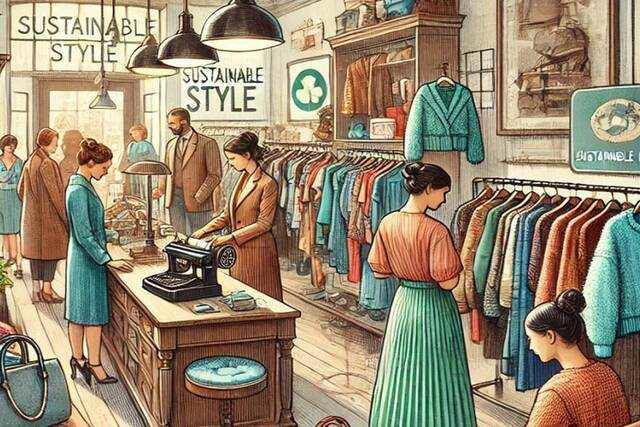
Thrift fashion in India 2026 is no longer underground — it is officially mainstream. A generation of shoppers who once associated second-hand clothing with economic hardship now actively seeks out vintage and pre-owned pieces for their uniqueness and sustainability credentials. Social media platforms, particularly Instagram and YouTube, have played a pivotal role in normalizing thrift culture, with influencers showcasing curated second-hand outfits to audiences of hundreds of thousands. The trend has moved well beyond college students and into the wardrobes of working professionals and young families.
Indian consumers are increasingly skipping the mall and heading to the digital rack, driven by economic necessity and a newfound desire for durability. Online thrift stores and resale apps have reported surging user growth throughout late 2025 and into 2026, with many platforms expanding their fashion categories to meet demand. The convenience of browsing curated second-hand collections from home has removed the last barriers that kept older generations away from thrift shopping.
The thrift fashion movement in India mirrors a growing global trend that is also gaining traction across North Africa and the Middle East. In Libya, where economic pressures have reshaped consumer spending habits, second-hand markets have long served as practical shopping destinations. The Indian experience shows that thrift culture can evolve from necessity into a conscious lifestyle choice — one that saves money while reducing environmental impact. Libyan entrepreneurs and retailers watching this trend may find opportunities to build digital platforms that bring the thrift experience online for local consumers.
The mainstreaming of thrift fashion in India signals a broader global shift toward circular economies in the clothing industry. As more consumers prioritize sustainability and individuality over brand-new fast fashion, the second-hand market is poised for continued growth well beyond 2026. For shoppers everywhere, the message is clear: style does not have to come at the planet's expense, and the best outfit might already be waiting on someone else's rack.