
عطر المسك
وفر 25%! اشترِ عطر المسك بسعر 218.5 د.ل فقط في ليبيا. متوفر حالياً، الدفع عند ال
🛒 تسوق الآن Libya Press
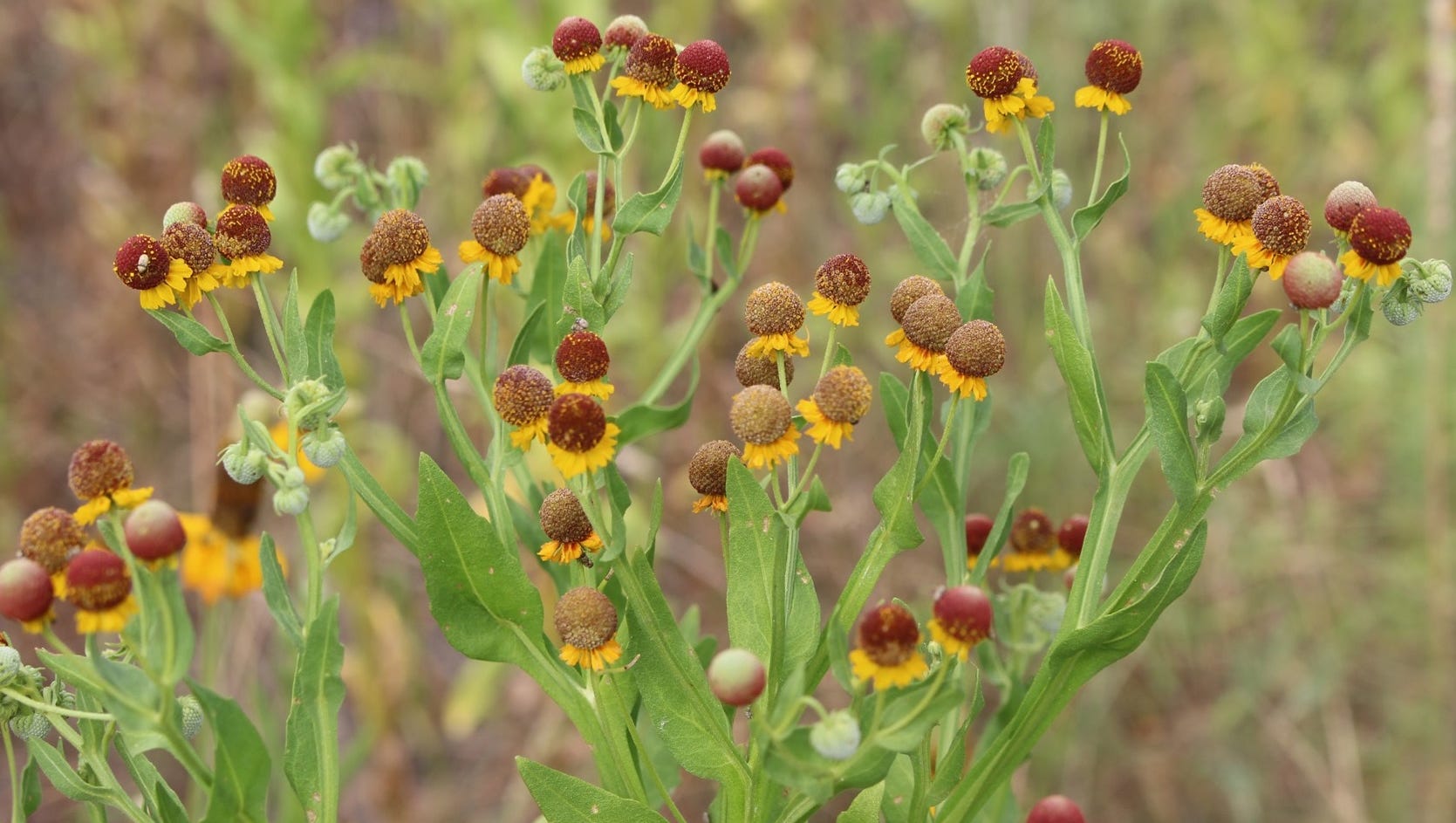
Veterinary officials in eastern Libya have issued an urgent and stark warning regarding the rapid, uncontrolled spread of a poisonous plant known locally as "Abu Qrato." This invasive species is currently infiltrating the high-value natural pastures near the strategic city of Al-Marj, posing a lethal and immediate risk to sheep, cattle, and goats, which form the backbone of the regional agricultural economy.
Marwan al-Assili, the head of the Veterinary Medical Professions Syndicate in Al-Marj, has been vocal about the severity of the situation. According to al-Assili, the "Abu Qrato" plant is no longer a minor nuisance but has evolved into a direct threat to the survival of livestock in the region. The plant's potent toxicity triggers severe systemic failures in grazing animals, often leading to rapid illness and high mortality rates among herds.
For the farmers of Al-Marj, these losses are not just numbers on a spreadsheet; they represent the loss of primary assets and genetic lineages of livestock that have been bred for the arid Libyan environment over generations. The speed at which the plant spreads makes it particularly dangerous, as animals often consume the toxin before farmers realize the pasture has been contaminated.
The spread of these toxic species is a biological disaster that triggers a devastating economic domino effect. In the Al-Marj region, livestock farming is not merely an occupation but the primary source of livelihood for thousands of families. If urgent and coordinated action is not taken to contain the "Abu Qrato" plant, these farmers face potentially catastrophic losses that could push many into poverty.
The economic impact extends beyond the individual farmer to the broader local market. A significant drop in livestock numbers leads to higher meat and dairy prices for consumers in the eastern region, creating an inflationary pressure on basic food staples. The loss of livestock also reduces the availability of organic fertilizers, further harming the crop yields of the same farmers struggling with the plant infestation.
Libya's unique geographical profile—characterized by an arid climate and diverse desert ecosystems—creates a paradoxical environment where certain toxic plants thrive while others perish. While the "Abu Qrato" is the primary emergency in the east today, Libya has a long history of struggling with toxic flora that challenge the safety of grazing.
Other notorious species, such as the castor bean (Ricinus communis) and the evergreen spindle, are known to pose similar risks across different administrative regions of the country. The emergence of "Abu Qrato" in Al-Marj highlights a critical gap in the current botanical surveillance systems. It underscores the need for a national database of toxic plants that is accessible to all veterinary services, ensuring that a threat discovered in the east can be anticipated in the west or south.
Local authorities and veterinary syndicates are no longer asking for help; they are demanding immediate government intervention. There is a critical need for the Ministry of Agriculture and the central government to provide funding for containment strategies. This must include the deployment of specialized botanical teams to map the exact spread of the plant using satellite imagery and ground surveys.
Furthermore, a comprehensive educational campaign is required. Farmers must be taught the specific visual markers of the "Abu Qrato" plant and provided with alternative fodder solutions to ensure their animals do not starve while avoiding contaminated pastures. Without a top-down strategic response, the local effort by the Veterinary Syndicate will remain a band-aid solution to a systemic crisis.
— Libya Press / News Desk