
خاتم التسبيح الذكي
وفر 23%! اشترِ خاتم التسبيح الذكي بسعر 278.4 د.ل فقط في ليبيا. متوفر حالياً، الد
🛒 تسوق الآن Libya Press
Libya's coastal regions are currently facing a critical public safety crisis as drowning incidents surge across the Mediterranean shoreline. Official reports from maritime authorities indicate a disturbing trend of fatalities that persist despite repeated, high-priority public warnings issued across various media platforms.
Recent data from the Maritime Rescue Coordination Center (MRCC) reveals a harrowing reality for the summer season: 49 drowning cases were recorded across diverse Libyan coasts during June and July 2025 alone. Among these victims, 33 were identified as Libyan citizens, highlighting a precarious situation where residents are frequently falling prey to the sea's unpredictable nature.
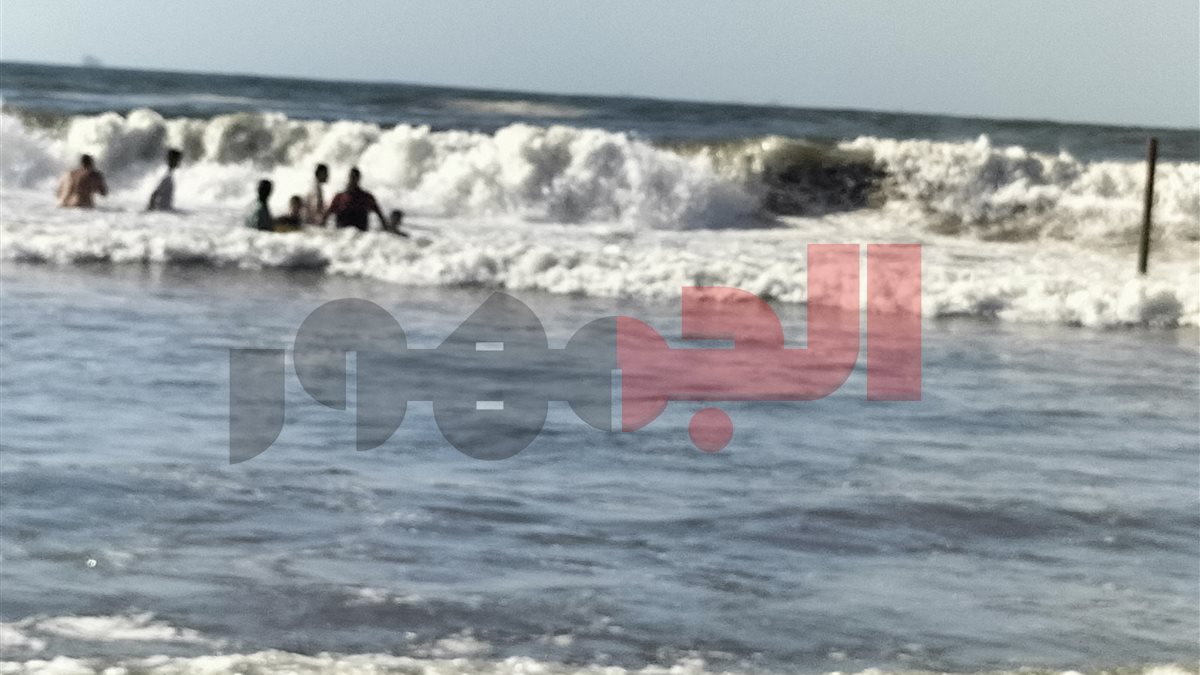
The primary cause of these tragedies has been identified as powerful rip currents—strong, narrow channels of fast-moving water—and abnormally high wave heights. These natural phenomena can pull unsuspecting swimmers, including experienced ones, far from the shore in seconds, making an independent escape nearly impossible without professional rescue gear.
Authorities have warned that these maritime conditions are particularly volatile during the peak summer months. Extreme heatwaves drive thousands of families to the beaches of Tripoli, Benghazi, and Misrata, where the desire for relief often outweighs the caution required. Sadly, many beachgoers are observed ignoring the "red flag" warning systems, which are recognized signals that swimming is strictly prohibited.
Multiple trusted news sources, including Al-Mashhad Libya and Libya Akhbar, have highlighted a recurring pattern: many of these tragic deaths occurred on days when official warnings were actively in effect. In several documented instances, maritime alerts had specifically advised against entering the water until Sunday, yet beaches remained dangerously crowded throughout the weekend.
This systemic disconnect between official safety alerts and public behavior has led to what experts call a "preventable wave" of deaths. There is a growing demand among safety advocates for the implementation of stricter enforcement mechanisms, such as the temporary closure of popular beach access points during hazardous sea states.
The consistent loss of life has had a profound emotional impact on coastal communities. From the eastern shores of Benghazi to the western hubs of Tripoli, the repetition of these tragedies is sparking a nationwide conversation about the inadequacy of current beach infrastructure. Families are grieving losses that could have been avoided with better preparation.
Local rescue teams report being completely overwhelmed by the frequency of emergency calls. They emphasize that the window for a successful rescue is incredibly small—often just a few minutes—when dealing with the intense, fast-moving currents currently affecting the Mediterranean coast. This pressure is compounded by a lack of updated equipment and limited numbers of certified lifeguards on duty.
To prevent further avoidable loss of life and ensure the safety of all citizens, maritime experts and the MRCC urge the public to adhere strictly to the following safety protocols:
The Maritime Rescue Coordination Center continues to monitor sea conditions around the clock. They remind all citizens that the Mediterranean is unpredictable and that a few minutes of caution can be the difference between a day of fun and a lifetime of regret.
— Libya Press / News Desk