
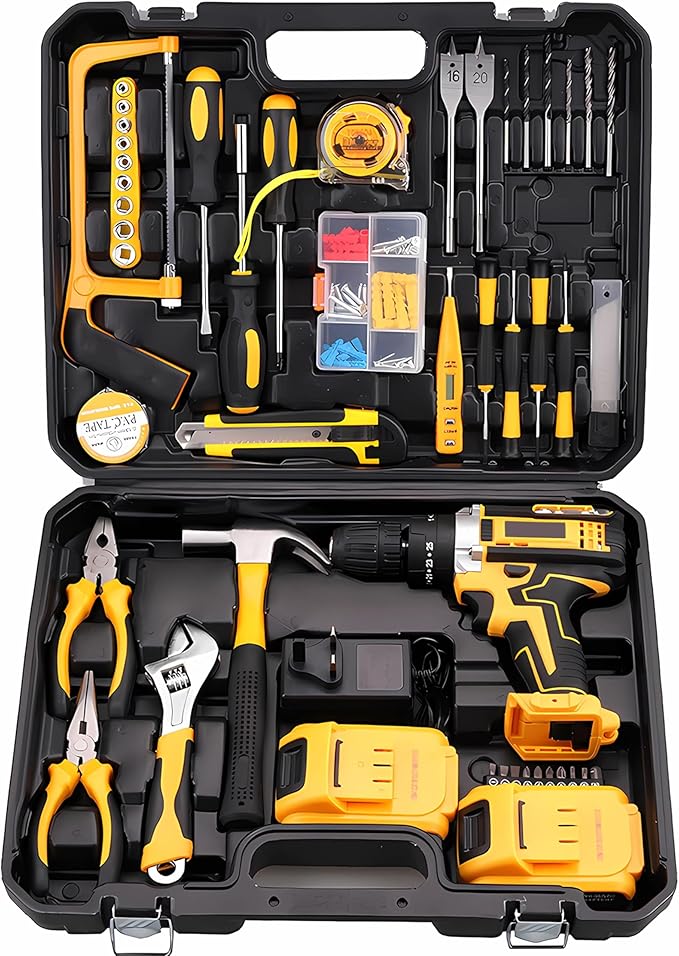
طقم أدوات كهربائية بقوة 48 فولت
وفر 23%! اشترِ طقم أدوات كهربائية بقوة 48 فولت بسعر 549 د.ل فقط في ليبيا. متوفر
🛒 تسوق الآن Libya Press
Libya's literary scene, fractured by colonial occupation, autocracy, and civil war, is experiencing a remarkable resurgence as a new generation of writers gains recognition across the Arab world and beyond. The June 2026 edition of ArabLit's monthly newsletter, curated by Masoud Masoud, tours the Libyan literary landscape — from historic Tripoli publishing houses to award-winning authors translated into English, Italian, and other languages. The project brings together stories from 84 Libyan writers, poets, and artists, capturing the spirit of a cultural movement that refuses to be silenced.
While the world already knows acclaimed authors like Hisham Matar and Ibrahim al-Koni, the newsletter highlights a wave of writers expanding Libya's literary footprint. Najwa Bin Shatwan stands out as one of Arabic literature's most distinctive voices. Her novel "The Slave Yards" became the first Libyan novel shortlisted for the International Prize for Arabic Fiction in 2017, shedding light on slavery in Libya during the Ottoman era. Her short-story collection "Catalogue of a Private Life" won an English PEN Translates grant in 2019. Her 2025 memoir "About Me" and 2026 novel "Tree of Soap" continue her streak of bold, genre-defying work. Mohamed Alnaas made history as the first Libyan writer to win the International Prize for Arabic Fiction, marking a watershed moment for Libyan literature globally.
Despite the creative boom, Libya's publishing industry faces structural challenges. Publishing with a Libyan publisher improves domestic access but limits international distribution, except during regional book fairs such as the Cairo International Book Fair. Authors who publish with broader Arab publishers gain wider regional exposure, yet their books often reach Libyan bookstores slowly due to distribution limitations. The limited purchasing power of Libyan readers compounds the problem — imported books carry higher prices due to currency conversion and profit margins. As a result, many readers rely on personal arrangements to access new titles. The newsletter notes that a long-term, government-funded project supporting the publishing and literary scene has not yet evolved to match the scale of Libyan writers' contributions.
For Libyans, this literary renaissance represents more than artistic achievement — it is an act of cultural preservation and resistance. Writers like Bin Shatwan, Alnaas, Kawthar Al-Jahmi, and others are documenting Libya's complex history, from the Ottoman era to the Gaddafi dictatorship to the post-2011 conflicts, ensuring that Libyan stories reach both Arab and global audiences. The "Translating Libya" project, bringing together 84 Libyan writers, poets, and artists, demonstrates a collective determination to reclaim cultural identity after years of isolation. For young Libyan readers especially, these works offer mirrors of their own experiences and windows to the world beyond.
The momentum is undeniable, but sustainability requires investment. Cultural organizations and publishers are calling for the Ministry of Culture to take a leading role in organizing literary events and supporting translation projects. The recent Public Prosecution Book Fair, now in its second year, is an encouraging step — but many argue cultural initiatives should be led by cultural institutions, not government offices. As Libya's literary voices grow louder on the world stage, the question is whether the country's institutions will rise to meet the moment. For now, the writers themselves are leading the way, one translated page at a time.
— LibyaPress / Entertainment Desk