
ماكينة حلاقه الاماكن الحساسة
وفر 14%! اشترِ ماكينة حلاقه الاماكن الحساسة بسعر 278.4 د.ل فقط في ليبيا. متوفر ح
🛒 تسوق الآن Libya Press
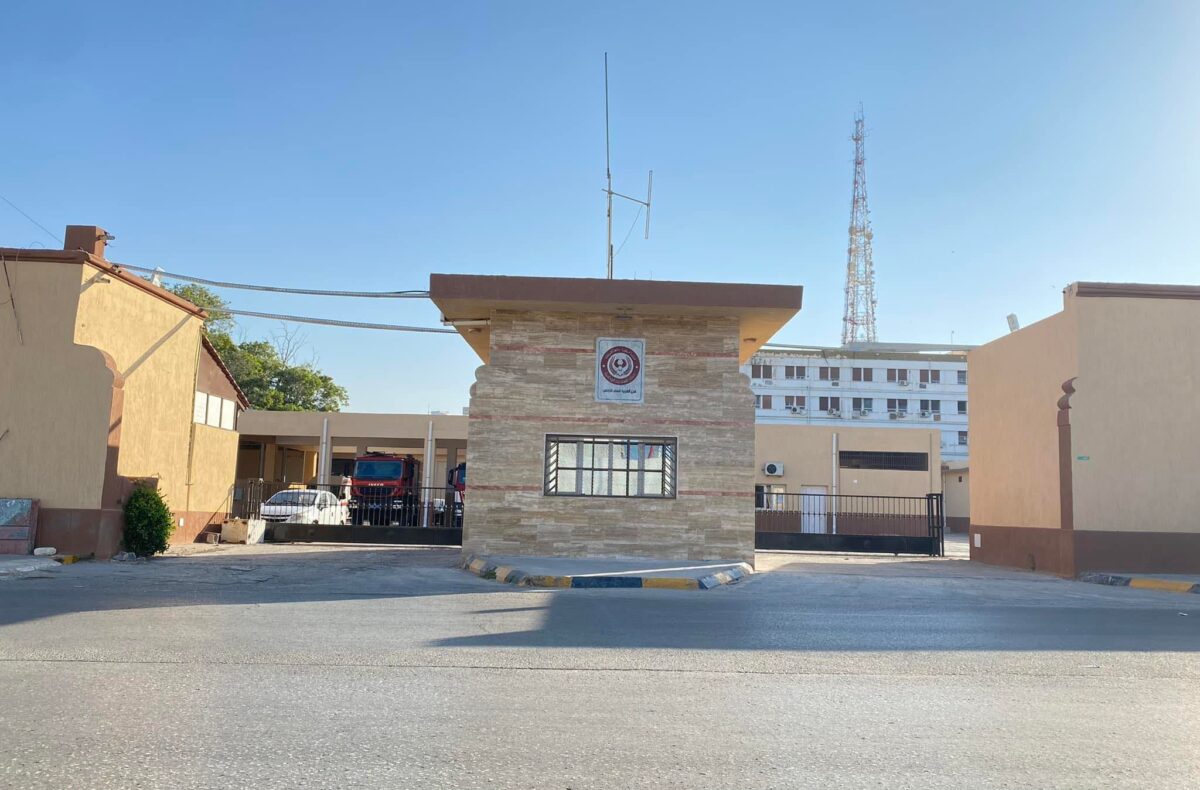
The Libyan capital Tripoli is grappling with a severe heatwave as the National Safety Authority (NSA) issued an urgent public warning on Sunday, July 13, urging residents to take immediate precautions against the extreme weather conditions. The alert comes as temperatures combined with rising humidity create potentially hazardous conditions across the city.
In an official statement, the National Safety Authority confirmed that the significant rise in temperatures requires proactive protective measures. The authority specifically warned against leaving children unattended in enclosed spaces, describing it as a direct threat to their lives under the current heat conditions.
The NSA also cautioned about the dangers of leaving children or elderly individuals inside parked vehicles exposed to direct sunlight, even for short periods. Such conditions can lead to severe health complications, including heatstroke and dehydration, within minutes.
The authority issued several key recommendations for the public. Residents are advised to drink plenty of cold fluids to maintain hydration and reduce the risk of heat stress. Wearing light-colored clothing is recommended, as it helps reflect sunlight and reduces heat absorption, easing the impact of the ongoing heatwave.
Health experts note that the combination of extreme heat and high humidity impedes the body's natural cooling mechanism through sweating, making conditions particularly dangerous for vulnerable groups including the elderly, children, and those with chronic health conditions.
In a notable demonstration of community consciousness, the NSA called on residents to place small water containers in appropriate locations to provide water for birds, cats, and stray animals struggling to survive the harsh climatic conditions. This initiative reflects growing awareness of animal welfare during extreme weather events in Libya.
The heatwave has placed significant strain on Tripoli's electricity network. The NSA explained that rising temperatures accompanied by increased humidity levels lead to higher electricity consumption rates, placing additional loads on the power grid and increasing the likelihood of disruptions to service stability.
The authority emphasized that rationalizing electricity consumption is a national responsibility that helps maintain essential services and prevent potential grid disturbances. Recommendations include reducing unnecessary indoor lighting, avoiding simultaneous operation of multiple air conditioning units, and setting air conditioners to 24 degrees Celsius as an optimal balance between comfort and energy conservation.
Libya's power infrastructure has historically faced challenges during peak summer months, with demand often exceeding generation capacity leading to scheduled and unscheduled outages. The current heatwave threatens to exacerbate these existing vulnerabilities.
The Ministry of Environment had previously issued separate warnings about a severe climatic wave affecting the country, driven by a hot desert depression expected to persist for several days. Meteorologists forecast significantly elevated temperatures with reduced visibility due to dust and sand particles carried by southerly winds.
Weather patterns across North Africa indicate that the hot air mass originating from the Sahara Desert is responsible for this intense heat episode. Similar conditions have been reported in neighboring countries, suggesting a regional climatic event rather than an isolated phenomenon affecting only western Libya.
As climate patterns in the Mediterranean region shift, Libya faces increasing frequency and intensity of extreme weather events. The current heatwave serves as a reminder of the importance of building resilient infrastructure and public health systems capable of responding to climatic challenges.
The National Safety Authority confirmed it will continue monitoring the situation and provide updates as conditions evolve. Residents are encouraged to stay informed through official channels and follow safety guidelines until temperatures subside.
— Libya Press / News Desk