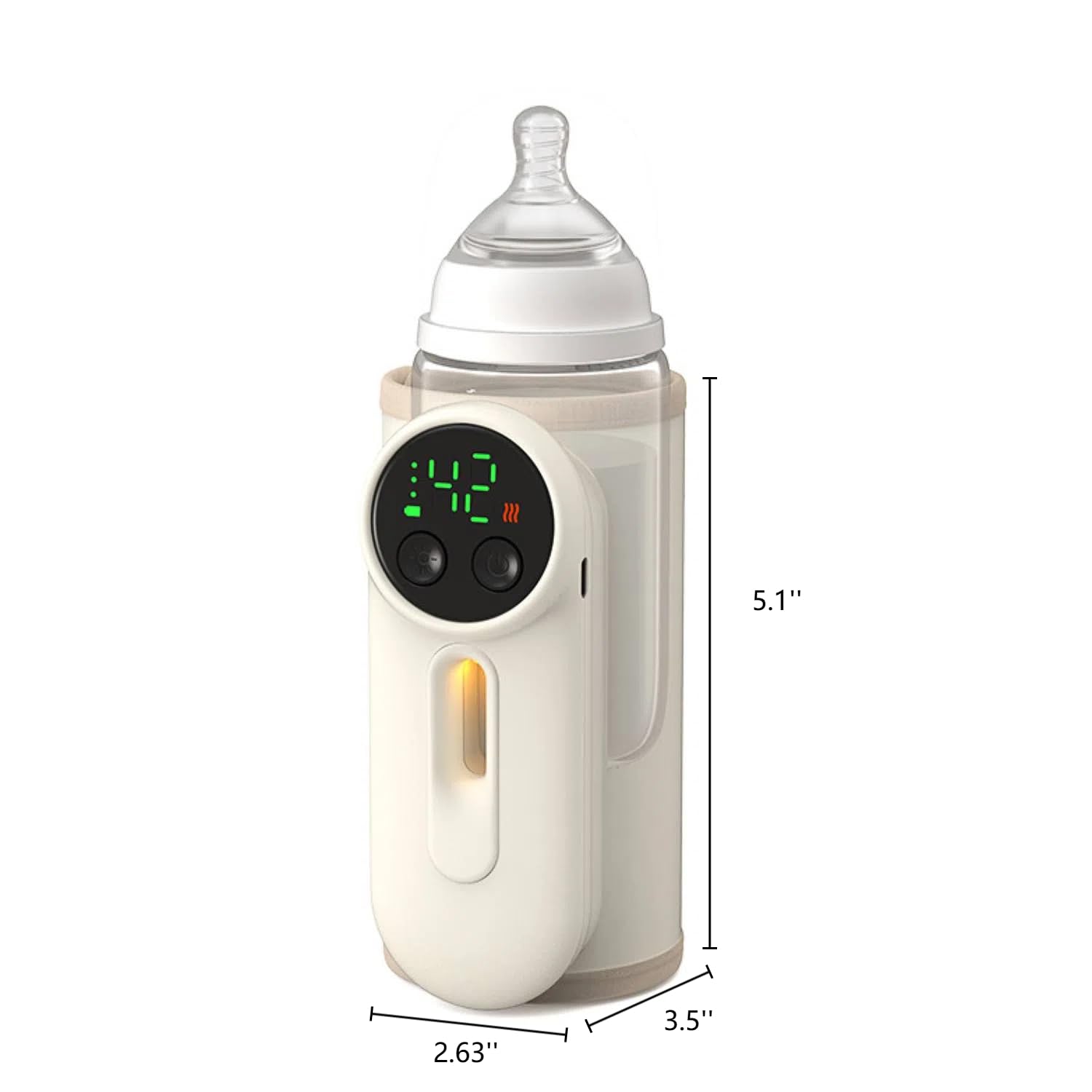
مدفأة زجاجات الأطفال المحمولة
وفر 17%! اشترِ مدفأة زجاجات الأطفال المحمولة بسعر 314.88 د.ل فقط في ليبيا. متوفر
🛒 تسوق الآن Libya Press
The Joint Committee on Sovereign Positions, formed by the High Council of State and the House of Representatives, convened on Wednesday at the High Council of State headquarters in Tripoli to push forward the long-stalled file of appointing leaders to Libya's sovereign institutions.
The meeting was attended by committee members from both legislative bodies, alongside the First Deputy Head of the High Council of State, Hassan Habib, according to the Libya Observer.
Libya's "sovereign positions" refer to the leadership of eight key state institutions that oversee the country's financial, legal, and energy sectors. These include the Central Bank of Libya (CBL), the National Oil Corporation (NOC), the Libyan Audit Bureau, the Administrative Control Authority, the High Electoral Commission, the Anti-Corruption Commission, the High Court, and the Attorney General's Office.
Since 2014, these positions have been at the center of political competition between Libya's rival factions. The failure to agree on appointments through a unified, transparent process has contributed to institutional fragmentation and operational inefficiencies across the state apparatus.
The sovereign positions file has been a recurring item on the Libyan political agenda. In November 2025, the joint committee met with the Deputy Special Representative of the UN Secretary-General for Political Affairs, Stephanie Khoury, to explore pathways toward elections and institutional stability.
The UN Support Mission in Libya (UNSMIL) has consistently emphasized that a consensus-based appointment mechanism for sovereign positions is critical for reducing political polarization and restoring public confidence in state institutions.
Prior to Wednesday's meeting, the High Council of State's Presidency Office held a session in December 2025 to follow up on developments related to this file, as part of ongoing coordination with the House of Representatives.
Wednesday's meeting comes at a time when Libya is experiencing relative calm on the security front but persistent political uncertainty. The lack of permanent, consensus-based leadership for sovereign institutions has hindered long-term planning in the banking and energy sectors — both essential for the country's economic recovery.
Analysts have noted that establishing a stable framework for sovereign appointments would send a strong signal of political maturity to international partners and investors. It would also help address public grievances about opaque decision-making processes that have fueled distrust in state institutions.
While Wednesday's meeting marks a positive step in the right direction, the committee faces significant challenges. Previous rounds of negotiations have stalled due to disagreements over candidate selection criteria, regional representation, and the balance of power between Libya's east and west.
The participation of First Deputy Head Hassan Habib in the discussions signals high-level political attention to the file, but translating dialogue into binding decisions will require sustained political will from all parties involved.
Observers point to the need for a clear timeline, transparent criteria, and mechanisms for dispute resolution. International mediation may play a supporting role, as it has in previous Libyan political dialogues.
Progress on sovereign positions is widely viewed as a prerequisite for credible national elections. The current electoral framework envisions a unified government that would oversee the election process — but without agreement on who runs key institutions, that vision remains aspirational.
The success or failure of this committee's work will have direct consequences for Libya's trajectory, influencing everything from currency stability to oil revenue management and the delivery of public services to citizens across the country.
— Libya Press / Politics Desk