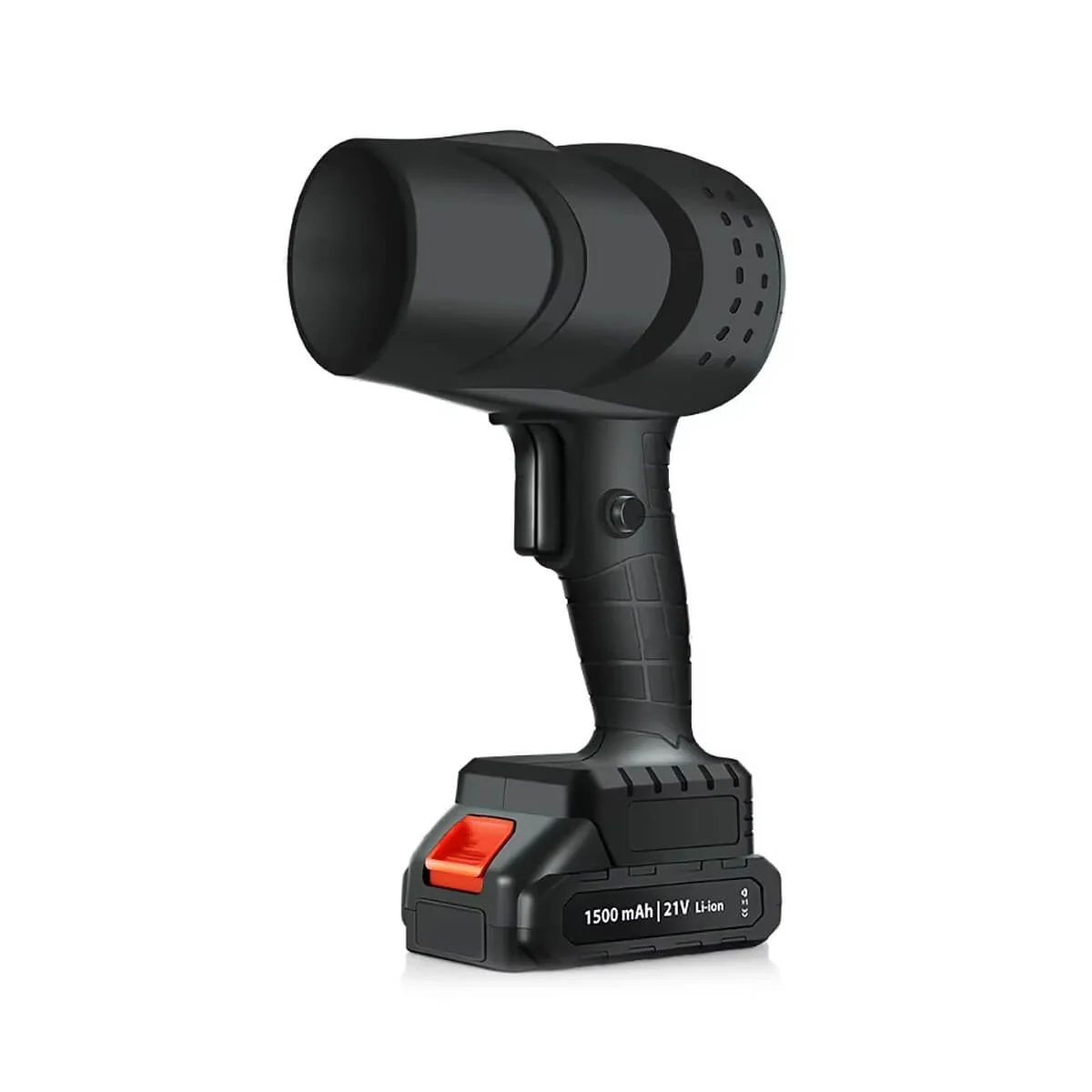
مروحة كهربائية توربينية لاسلكية
وفر 20%! اشترِ مروحة كهربائية توربينية لاسلكية بسعر 297.6 د.ل فقط في ليبيا. متوف
🛒 تسوق الآن Libya Press
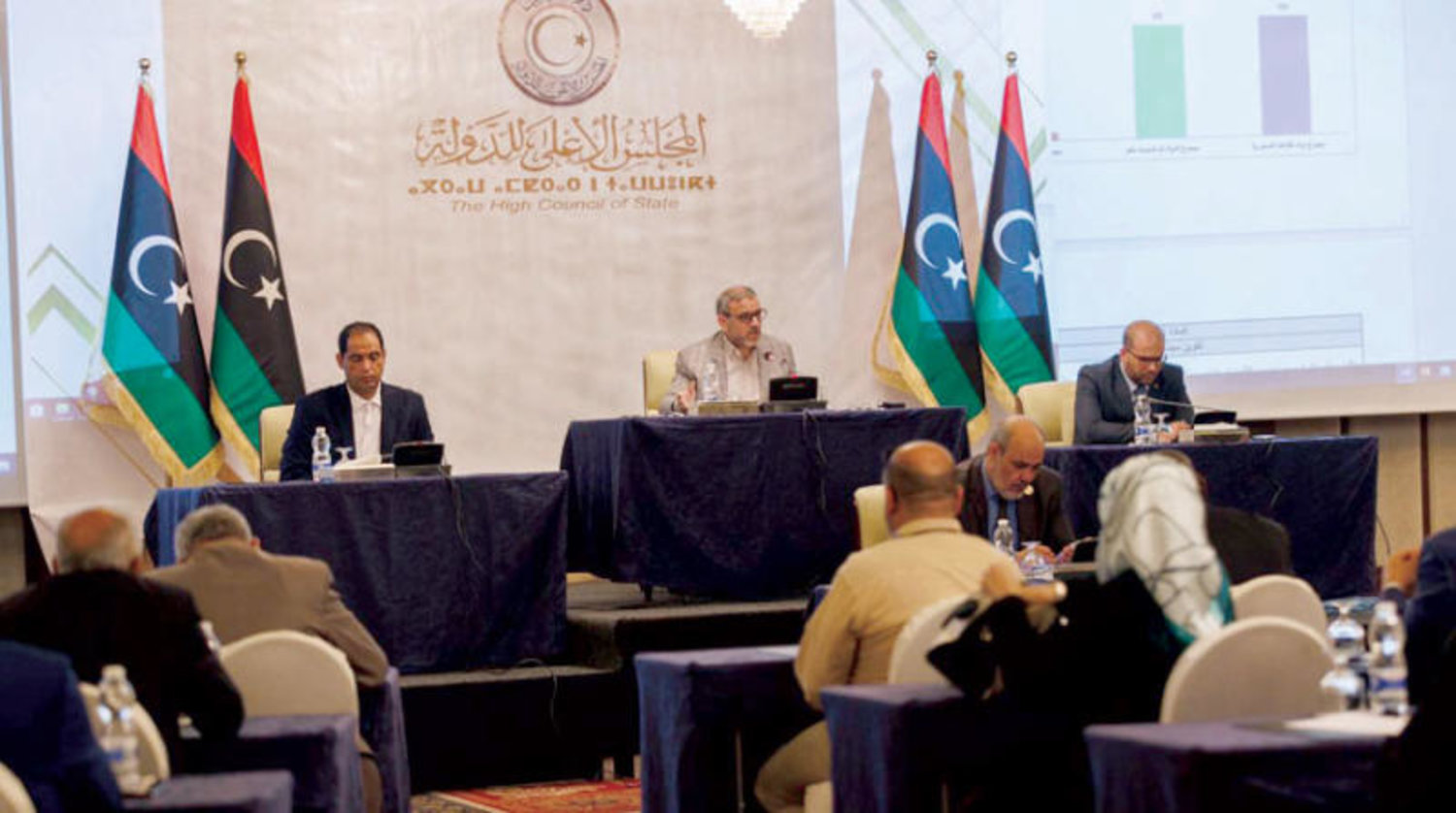
The Joint Committee on Sovereign Positions, formed by Libya's High State Council and the House of Representatives, held a pivotal meeting on Wednesday, July 8, at the High State Council headquarters in Tripoli. The session was attended by First Deputy Head of the High State Council, Engineer Hassan Habib, marking the latest push to resolve one of Libya's most persistent political stalemates.
Sovereign positions in Libya refer to the heads and board members of key state institutions that require broad political consensus for appointment. These include the Chairman and members of the High National Elections Commission (HNEC), the Governor of the Central Bank of Libya, the Head of the Administrative Control Authority, the Chief of the Audit Bureau, and others.
Since Libya's political divisions deepened following the 2014 crisis, filling these posts has been a flashpoint between the country's rival institutions. Without agreement on these appointments, various state bodies have operated under contested leadership, undermining institutional stability.
According to the committee's statement, discussions focused on the mechanisms for selecting candidates for sovereign positions, with particular priority given to the Chairman and board members of the High National Elections Commission (HNEC). HNEC is considered a cornerstone institution essential for implementing the UN-proposed roadmap and preparing conditions for national elections.
Participants reviewed a number of proposals and visions aimed at strengthening consensus between the High State Council and the House of Representatives. The discussions were based on the principles outlined in the roadmap document for ending the transitional phase, aligned with the proposal from the United Nations Support Mission in Libya (UNSMIL).
The sovereign positions file has been one of the most contentious issues in Libyan politics for years. Previous agreements, including the 2022 talks that saw heads of the two councils agree on unifying the executive authority, have stalled over disagreements on how to distribute these key posts between Libya's three traditional regions: Tripolitania, Cyrenaica, and Fezzan.
The current round of talks comes amid intensified diplomatic efforts — both domestic and international — to push the political process forward. Multiple United Nations-backed initiatives have attempted to broker a solution, but regional rivalries and competing political interests have repeatedly derailed progress.
The timing of this meeting is significant. Libya is approaching the end of another transitional phase without a clear electoral timeline. The High National Elections Commission requires leadership that is recognized by all parties to oversee credible elections — widely seen as the only viable path out of the country's prolonged political crisis.
International observers, including UNSMIL, have stressed that resolving the sovereign appointments is a prerequisite for sustainable stability. Without functioning, unified institutions, Libya risks continued fragmentation and the potential for renewed conflict.
The Joint Committee confirmed it will continue its meetings in the coming period until the naming of sovereign position holders is completed, implementing the understandings and agreements reached between the two councils. The committee emphasized that completing this file represents a crucial step toward enhancing national consensus and fulfilling the requirements of the transitional phase.
Diplomatic sources close to the negotiations suggest that progress on this file could unlock broader political breakthroughs, including agreement on a unified government and a constitutional framework for elections. However, sceptics point to past failed attempts and caution that old divisions may resurface.
— Libya Press / Politics Desk
ENDO echo "English article saved"