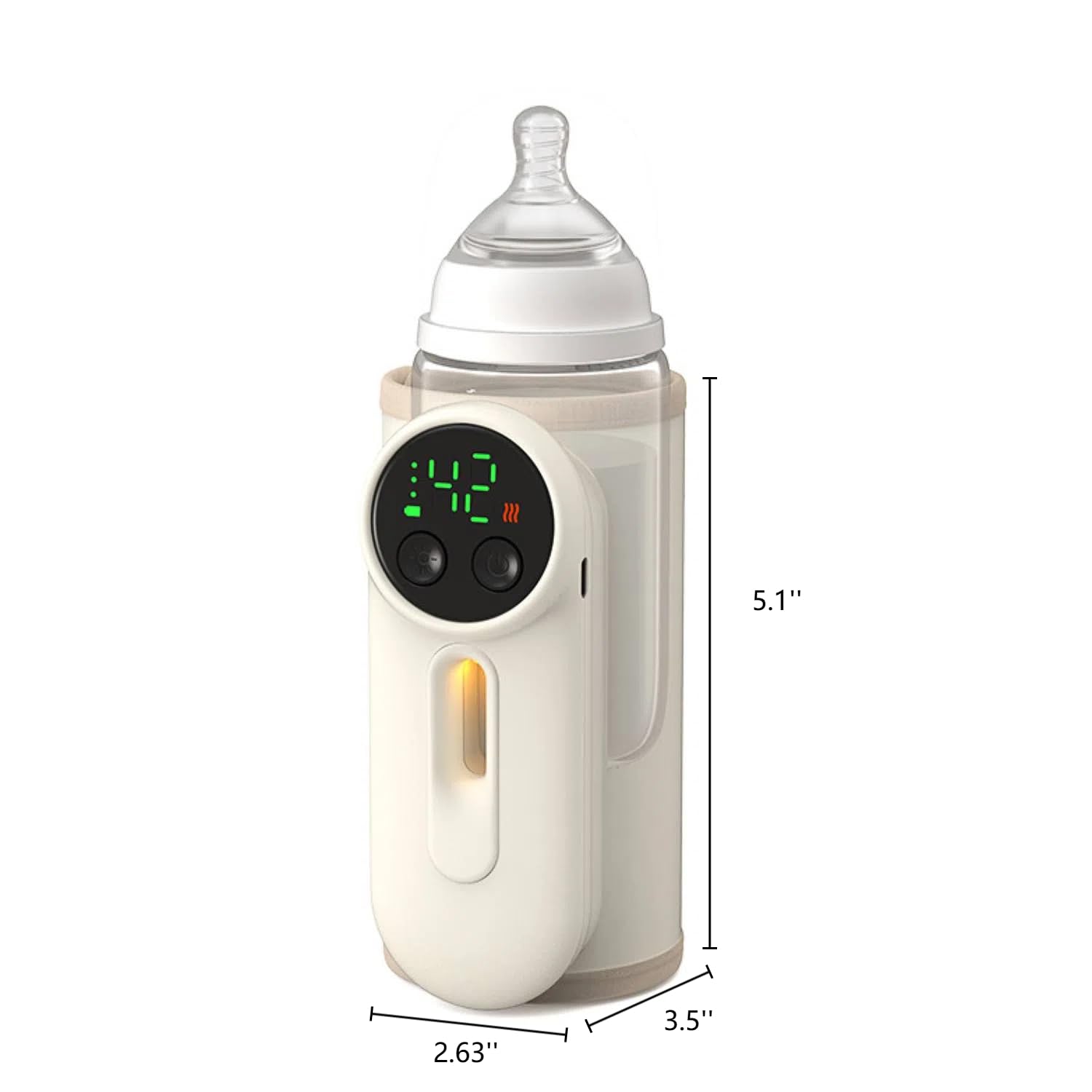
مدفأة زجاجات الأطفال المحمولة
وفر 17%! اشترِ مدفأة زجاجات الأطفال المحمولة بسعر 314.88 د.ل فقط في ليبيا. متوفر
🛒 تسوق الآن Libya Press
A sudden landmine explosion inside Tripoli International Airport on Thursday evening left multiple workers injured, including nationals from Egypt and Sudan, according to eyewitness accounts and preliminary reports from local sources.
The blast occurred while a crew from İmar Construction Company, a Turkish firm contracted for rehabilitation work at the airport, was conducting field operations on the tarmac and surrounding areas. The detonation of what appears to be a buried landmine sent shockwaves through the site, raising fresh concerns about unexploded ordnance at critical infrastructure locations across Libya.
Medical sources confirmed that the wounded workers were rushed to Al-Afia Clinic in the Al-Qasr district for emergency treatment. Among the injured were an Egyptian national and a Sudanese national working as part of the construction team. The exact number of casualties and the severity of their injuries have not yet been officially disclosed by authorities.
"The explosion was sudden and terrifying," one unnamed witness told local reporters. "Workers were just doing their regular duties when the blast happened. Everyone is in shock."
Libya remains heavily contaminated by landmines and unexploded ordnance (UXO) left over from decades of conflict, including the 2011 revolution and subsequent civil wars. The problem is particularly acute around strategic infrastructure such as airports, military bases, and oil facilities, which were repeatedly contested during the country's conflicts.
According to the United Nations Mine Action Service (UNMAS), Libya is one of the most mine-contaminated countries in the world, with an estimated 15-20% of the country's territory affected by explosive remnants of war. Tripoli International Airport, which has been closed to commercial traffic for years due to damage sustained during the civil war, has been a focal point for clearance and rehabilitation efforts.
The involvement of Turkish construction firms in Libya's post-conflict reconstruction has expanded significantly in recent years. İmar Construction Company is one of several Turkish contractors working on rehabilitating Tripoli International Airport as part of broader efforts to restore the facility to operational status.
The airport was heavily damaged in 2014 during factional fighting and has remained largely non-operational ever since. The Libyan government has prioritized its reconstruction as a symbol of national recovery, with Turkish companies playing a key role given Turkey's strong diplomatic and economic ties with the Government of National Unity.
Local authorities have launched an investigation into the incident. Initial assessments suggest the landmine may have been missed during previous clearance operations or may have shifted due to ongoing construction activity. Security teams have cordoned off the affected area pending a full sweep for additional explosive hazards.
The Libyan Mine Action Center has been notified and is expected to deploy specialized teams to conduct a thorough survey of the work site before construction can resume. This incident highlights the critical importance of comprehensive demining operations before any large-scale infrastructure projects can proceed safely.
Thursday's explosion raises serious questions about workplace safety protocols at Libyan reconstruction sites, particularly those involving foreign labor. Egypt and Sudan are among the largest sources of migrant labor in Libya, with hundreds of thousands of workers employed in construction, oil, and services sectors.
Labour rights organizations have repeatedly called for stronger protections for migrant workers in Libya, including proper safety training, adequate medical insurance, and timely access to emergency services. This incident is likely to reignite those calls and prompt contractors to review their hazard assessment procedures.
The incident also serves as a stark reminder that the legacy of conflict in Libya continues to claim victims even in peacetime, as the nation struggles to rebuild infrastructure while navigating the dangers left behind by years of war.
The families of the injured workers are awaiting further updates as medical teams continue to provide care at Al-Afia Clinic. Local community leaders have expressed solidarity with the workers and called for a full investigation to prevent similar tragedies in the future.
— Libya Press / News Desk