
زيت نمو الشعر وتقليل تساقط الشعر
وفر 19%! اشترِ زيت نمو الشعر وتقليل تساقط الشعر بسعر 124.61 د.ل فقط في ليبيا. مت
🛒 تسوق الآن Libya Press
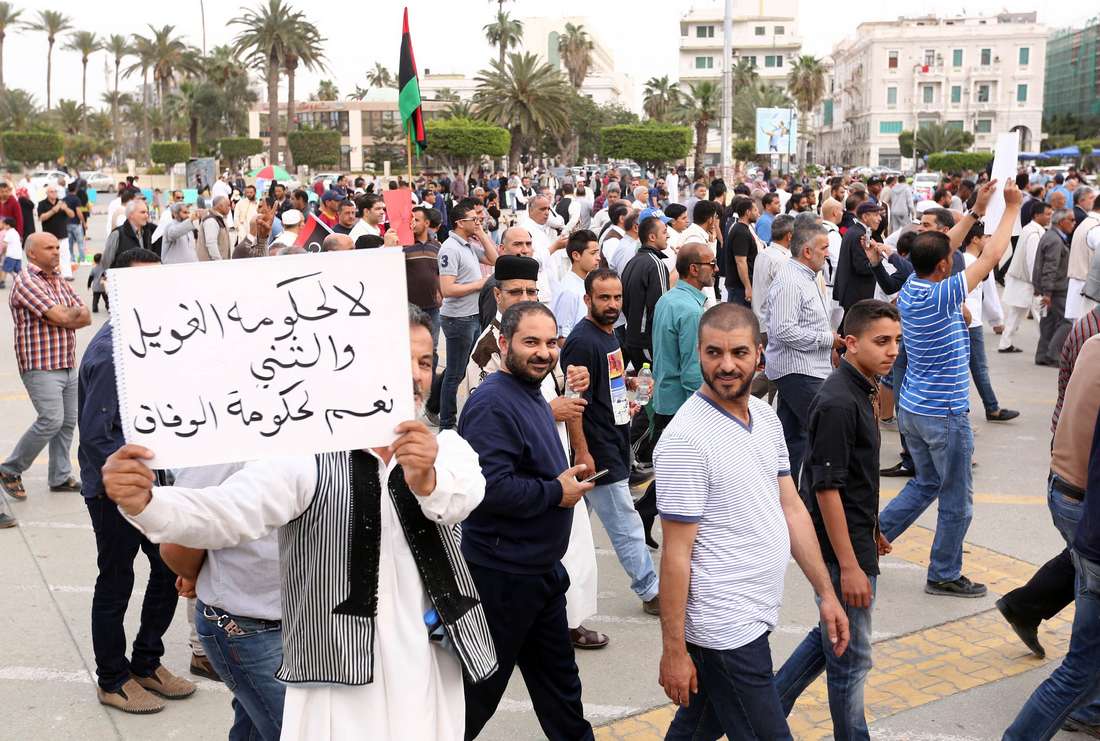
8 months — that is the timeframe Libya's main governing bodies have set to finally hold presidential and parliamentary elections. On June 18, 2026, Libya's top governing bodies agreed on a roadmap aimed at ending the country's prolonged transitional period and unifying its fractured institutions. The agreement marks a potential turning point for a nation that has endured over a decade of political fragmentation and instability since the fall of the previous regime.
The joint announcement came after intensive consultations between Libya's three principal governing entities. This development signals a rare consensus among political rivals who have frequently clashed over the country's direction. Analysts say the roadmap could reshape Libya's trajectory if implemented on schedule.
The accord was reached between the heads of Libya's House of Representatives, the Presidential Council, and the High Council of State — the three bodies that have wielded political authority in the country during its transitional phase. In a joint statement issued on Thursday, June 18, the leaders confirmed that the roadmap addresses the constitutional, legal, and logistical requirements necessary to conduct free and fair elections.
The statement reaffirmed commitment to Libya's Constitutional Declaration, the Libyan Political Agreement and its amendments, as the foundational legal framework governing the transition. International observers, including the United Nations Support Mission in Libya, have been closely monitoring the negotiations. The eight-month window was described by officials as realistic yet ambitious, requiring swift action on voter registration, security arrangements, and electoral law finalization.
Libya's political landscape has been defined by competing governments, foreign interference, and stalled democratic processes since 2011. The country's oil wealth — the largest proven reserves in Africa — has often been a source of conflict rather than prosperity. Previous election attempts scheduled for December 2021 collapsed at the last minute over candidate disputes and legal disagreements. This new agreement attempts to learn from those failures by establishing clearer timelines and binding commitments from all three governing bodies.
According to reports from AFP and international news agencies, the roadmap includes mechanisms for accountability and follow-up, with regular progress reviews scheduled every 60 days. This structured approach addresses one of the primary criticisms of past political agreements in Libya, which often lacked enforcement mechanisms and deadlines.
International reactions have been cautiously optimistic. Several countries and organizations have urged Libyan actors to move faster in implementing the agreed timeline. The United Nations has long advocated for elections as the only legitimate path toward a unified Libyan government. Regional partners, including Egypt, Tunisia, and Algeria, have expressed support for the roadmap while emphasizing that Libyan ownership of the process is essential.
Financial institutions and international lenders have also signaled that successful elections could unlock billions of dollars in reconstruction funding currently stalled due to Libya's political uncertainty. The World Bank and International Monetary Fund have both noted that a legitimate, elected government would be essential for economic reform programs and foreign investment attraction.
Despite the historic consensus, significant obstacles remain. Libya's security landscape remains fragmented, with armed militias controlling large territories and often operating independently of central authority. Voter safety and polling station security represent the most immediate logistical challenges. Additionally, deep political rivalries between eastern and western factions could resurface during candidate registration and campaign phases.
The country's infrastructure also presents hurdles. Years of conflict have damaged roads, communication networks, and public services in many regions, complicating voter registration and ballot distribution. Observers note that international technical assistance will be crucial in overcoming these logistical barriers within the tight eight-month timeframe.
The coming weeks will be critical. The three governing bodies are expected to form a joint technical committee within 14 days to begin drafting the electoral law. If this timeline holds, Libyans could head to polls by early 2027 — the first national elections in years with genuine potential to produce a unified, legitimate government. For millions of Libyan citizens who have waited over a decade for stable governance, the roadmap represents the clearest path yet toward democratic transition and national reconciliation.
The world is watching. The Libyan people are ready. The next eight months will determine whether this historic agreement becomes a lasting breakthrough or another missed opportunity.
— LibyaPress / Politics Desk