
كوب قهوة بغطاء
وفر 19%! اشترِ كوب قهوة بغطاء بسعر 219 د.ل فقط في ليبيا. متوفر حالياً، الدفع عند
🛒 تسوق الآن Libya Press
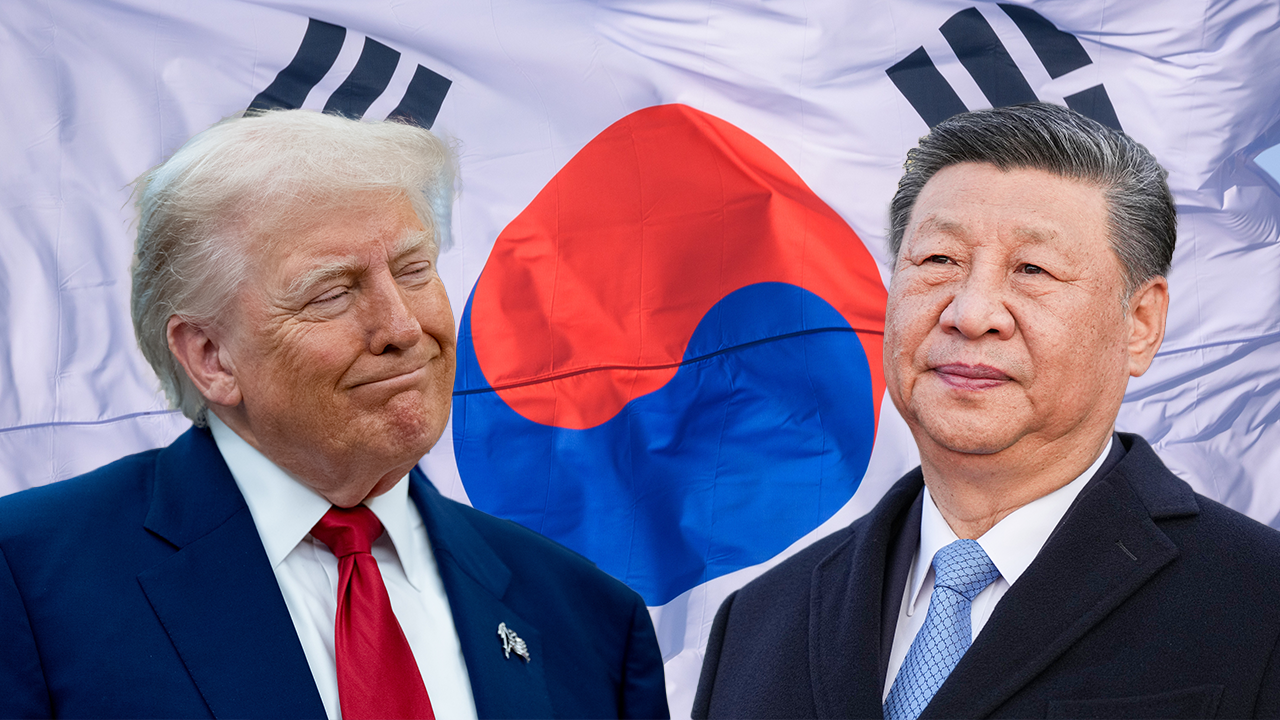
US President Donald Trump revealed that he held extensive discussions with Chinese President Xi Jinping on the sensitive issue of Taiwan during his recent visit to Beijing, marking one of the most significant diplomatic exchanges between the two powers on the self-governed island that China claims as its own territory.
Speaking to reporters aboard Air Force One during his return flight, Trump stated, "President Xi and I spoke a lot about Taiwan," according to Agence France-Presse. The remarks came as the US leader wrapped up a high-stakes diplomatic trip to the Chinese capital, where the two heads of state held face-to-face talks covering a range of bilateral and geopolitical issues. When pressed on whether Xi had issued any warnings about potential conflict over the self-governed island, Trump responded, "I don't think so. He doesn't want to see a war. He doesn't want to see a move toward independence." The US president emphasized that he had not committed to any specific position on the matter, saying, "I didn't make a promise in either direction," adding that he "simply listened" to his Chinese counterpart.
The Trump-Xi meeting on Taiwan comes at a time of heightened tensions in the Indo-Pacific region, with Beijing continuing to assert its sovereignty claims over Taiwan through military drills and diplomatic pressure. Analysts note that Trump's decision to publicly acknowledge the depth of the Taiwan discussions — while carefully avoiding any commitment — reflects a balancing act between maintaining Washington's strategic ambiguity on the island's status and keeping diplomatic channels with Beijing open. The visit itself was marked by extraordinary security protocols, with members of the US delegation reportedly required to discard all materials, temporary phones, and official badges before departing China.
The Taiwan issue remains one of the most volatile flashpoints in US-China relations, with Beijing repeatedly warning that any move toward formal independence by Taipei would trigger a military response. Trump's refusal to commit to either side of the debate signals a continuation of Washington's long-standing policy of strategic ambiguity, though critics argue that such openness about the discussions could embolden Beijing's position. Going forward, observers will be watching for any shifts in US arms sales to Taiwan, diplomatic engagements, and military posturing in the Taiwan Strait as indicators of how this high-level exchange translates into concrete policy.
The Beijing talks represent the latest chapter in the complex and often contentious relationship between the world's two largest economies, with Taiwan continuing to sit at the center of one of the most dangerous geopolitical standoffs of the 21st century.