
سيروم لإزالة رائحة الفم الكريهة
وفر 35%! اشترِ سيروم لإزالة رائحة الفم الكريهة بسعر 158.79 د.ل فقط في ليبيا. متو
🛒 تسوق الآن Libya Press
For centuries, scholars have debated the real-world locations behind Homer's epic poems. The Odyssey follows the Greek hero Odysseus on his decade-long journey home from the Trojan War. One of the most debated locations is Ogygia, where the nymph Calypso held Odysseus captive for seven years.
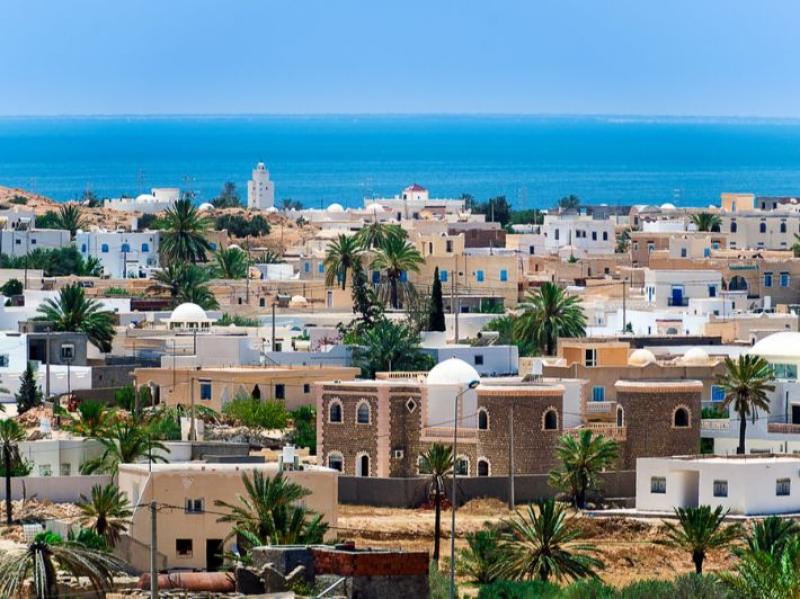
Recent scholarship points to a surprising candidate: the Tunisian island of Djerba, located off the southern coast of Tunisia in the Mediterranean Sea. Multiple historical and geographical clues align to make Djerba the most credible candidate for Homer's mythical island.
According to the Odyssey, Odysseus and his crew landed on the island of the Lotus Eaters before reaching Ogygia. The lotus fruit caused Odysseus's men to lose all desire to return home. Many historians now believe this island was Djerba.
The ancient Greek name for Djerba was "Lotophagitis" — literally "the island of the Lotus Eaters." The Greek historian Herodotus, writing in the 5th century BC, identified the Lotus Eaters as a real North African people living on an island off the coast of Tunisia. This direct historical link provides powerful evidence.
"The Lotus Eaters were a real people documented by multiple ancient Greek sources, and they lived on Djerba," explains writer Hamza al-Tarbawi. "The connection is grounded in ancient geography, not mere speculation."
If Djerba was the island of the Lotus Eaters, could it also be Ogygia? Some scholars argue yes. The Odyssey describes Ogygia at the "navel of the sea" — a central Mediterranean location fitting Djerba's position. The island is lush, fertile, and remote — matching Djerba's landscape of olive groves, palm trees, and white sandy beaches.
Local Tunisian folklore has long linked Djerba's caves — particularly the cave of Ghriba — to the Odysseus myth. The Ghriba synagogue, one of the world's oldest, sits in an area where traditions speak of ancient Greek visitors who stayed on the island for extended periods.
Locals call Djerba "Jazirat al-Ahlam" — the Island of Dreams — and sing about its beauty, echoing the enchanted nature of Calypso's Ogygia.
Excavations on Djerba have uncovered evidence of Greek settlement dating to the 6th century BC. Greek pottery, inscriptions, and architectural fragments have been found across the island, suggesting sustained contact between Greek sailors and the local population.
The Djerba-Odyssey connection places North Africa at the heart of Western literary tradition. For Libyans and Tunisians, it reclaims classical heritage often associated exclusively with Greece and Italy. Tunisia has begun promoting Djerba's Homeric links for cultural heritage tourism.
For Libya, the story is equally relevant. The Libyan coast was part of the Odyssey's geography — Odysseus passed through the Gulf of Sidra according to some readings. This shared Greco-Libyan maritime heritage highlights the deep historical connections across the Mediterranean.
Whether Djerba is definitively proven to be Ogygia or not, the connection between the Tunisian island and Homer's epic captures the imagination. The Odyssey remains one of the most influential works in world literature, and the idea that its mythical landscapes were inspired by real North African places adds depth to our understanding of the ancient world.
— Libya Press / Culture Desk