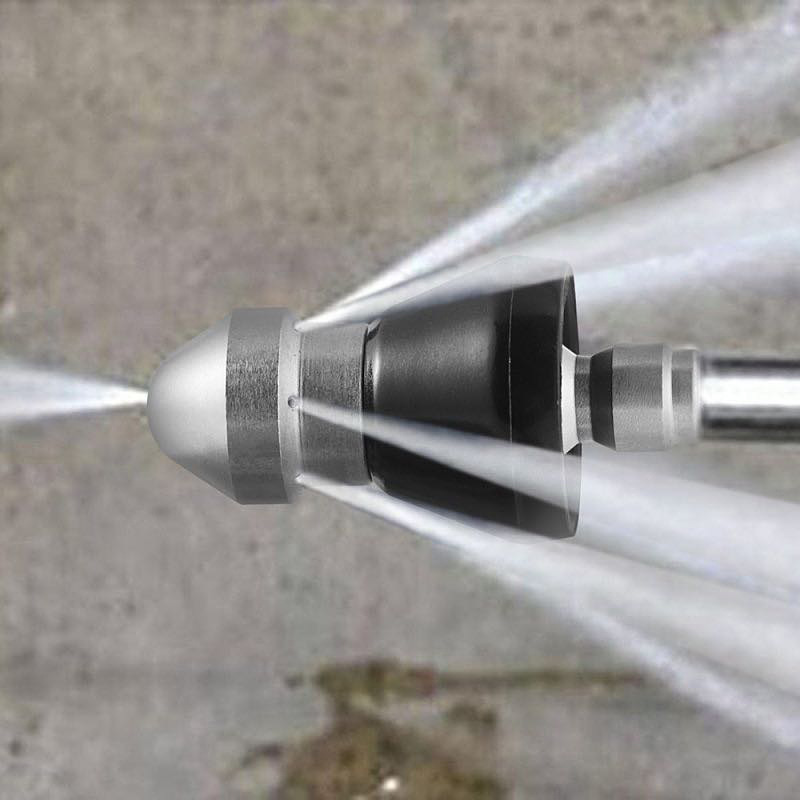
أداة تنظيف الصرف
وفر 22%! اشترِ أداة تنظيف الصرف بسعر 219 د.ل فقط في ليبيا. متوفر حالياً، الدفع ع
🛒 تسوق الآن Libya Press
Turkey is reemerging as a central actor in the Middle East in 2026, but not as the neo-Ottoman power its domestic rhetoric suggests. A major Brookings Institution report published today reveals that Ankara is trying to manage regional disorder rather than dominate it. Based on year-long interviews with senior Turkish diplomats and decisionmakers, the study finds that Turkey's leadership cadres are far more restrained and realistic than the country's public messaging implies.
President Recep Tayyip Erdogan's government has long cultivated a nationalist narrative with neo-Ottomanist undertones at home. But on the ground, Turkey is not constructing a regional order so much as trying to manage regional disorder in ways that protect its core interests. From Syria and Iraq to Libya and Somalia, Turkey's influence is present — but it has not translated into a Turkish empire.
Turkey's rivalry with Israel has become a structural constraint shaping nearly every regional file — Syria, the Eastern Mediterranean, Washington lobbying, and the Red Sea-Horn of Africa corridor. Israel is actively working to limit a greater Turkish footprint in Syria, while a new Greece-Cyprus-Israel alignment is tightening around Ankara in the Mediterranean.
The second Trump administration has opened space for a U.S.-Turkey reset, but Washington's volatility makes long-term planning difficult. The recent Iran war both vindicated Turkey's hedging instinct and exposed its limits — when Iranian ballistic missiles entered Turkish airspace, NATO intercepted them, serving as a reminder that strategic autonomy remains an aspiration more than a reality.
"The Middle East is on fire, and Turkey is not ready to go it alone, despite decades of lip service to strategic autonomy," the Brookings report states, capturing the gap between Ankara's domestic propaganda and its actual strategic posture. Senior Turkish officials interviewed over the past year expressed far more caution about power projection than the political sermons in Ankara suggest.
As ECFR analysts note, President Erdogan remains politically vulnerable at home with a deteriorating economy and the opposition leading in polls. His government's survival now depends on efforts to balance between great powers and draw financing from former rivals in the Gulf.
For Libyans, Turkey's evolving Middle East strategy carries direct consequences. Turkey maintains significant military and political influence in Libya, and Ankara's push for regional normalization could reshape the dynamics of foreign involvement in the Libyan conflict. As Turkey balances between NATO commitments, Gulf financing, and its own strategic ambitions, the ripple effects will be felt across North Africa — particularly in Libya, where Turkish-backed forces remain a key faction.
Turkey's attempt to manage rather than dominate regional disorder suggests a more pragmatic approach could emerge, potentially creating space for diplomatic solutions for Libyan stability. The question is whether Ankara's domestic political pressures will allow for genuine compromise or push toward further entrenchment.
For Washington, Turkey is neither model nor spoiler — it is a consequential middle power whose interests partly overlap with U.S. priorities in theaters where America wants to reduce its involvement. The Brookings report recommends anchoring Turkey in NATO, managing the Turkish-Israeli rivalry before it turns kinetic, and cooperating on Syria and regional stabilization.
As the Middle East enters an increasingly multipolar era, Turkey's search for order reflects a broader regional trend: powers great and small are recalibrating their strategies in a post-American world. Ankara's ability to translate ambitions into sustainable influence depends on economic recovery, domestic political stability, and its ability to manage the rivalry with Israel that constrains nearly every move.
— LibyaPress / Politics Desk