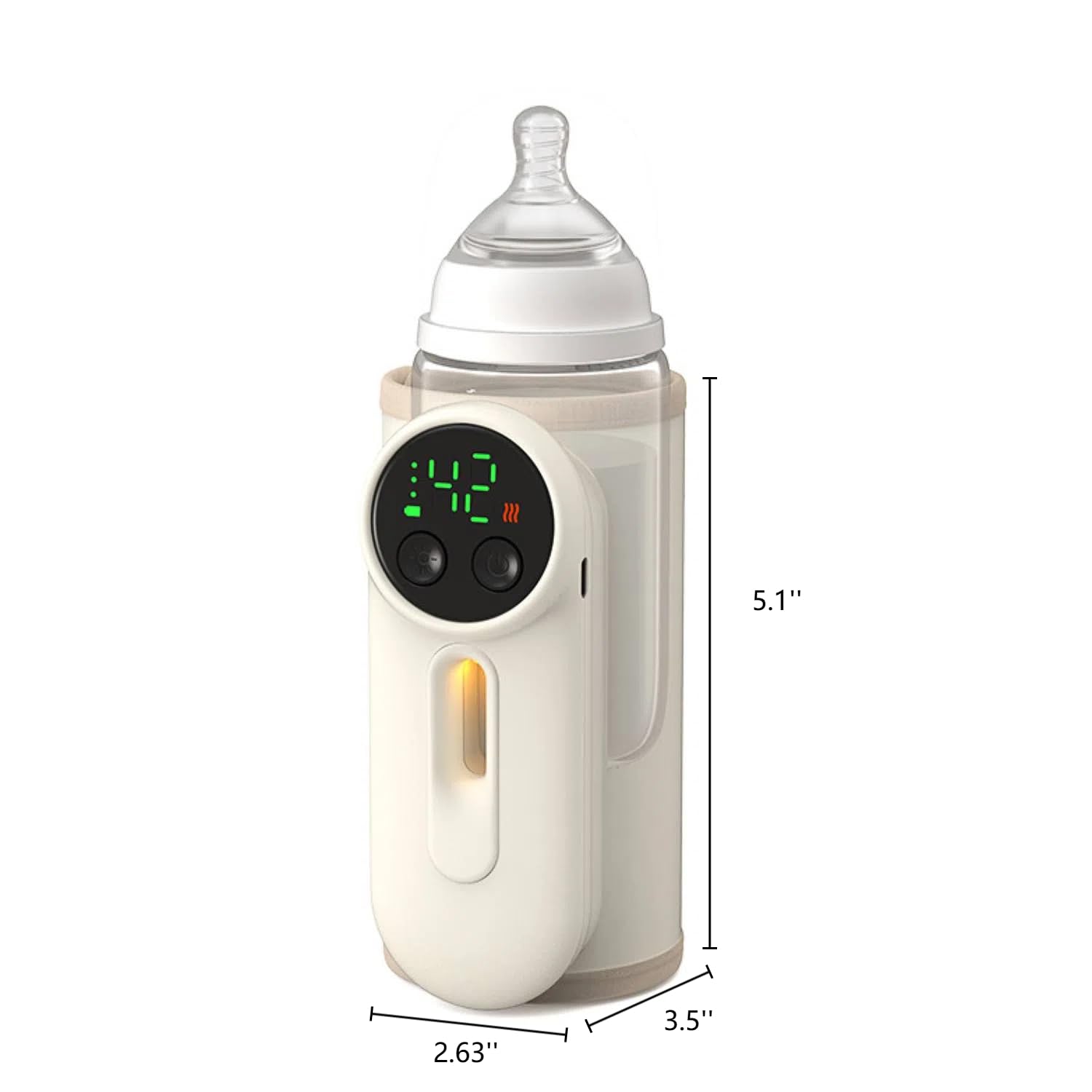
مدفأة زجاجات الأطفال المحمولة
وفر 17%! اشترِ مدفأة زجاجات الأطفال المحمولة بسعر 314.88 د.ل فقط في ليبيا. متوفر
🛒 تسوق الآن Libya Press
The United States is actively mediating a power-sharing agreement between Libya's rival administrations in east and west, aiming to reunify the oil-rich nation after more than a decade of political paralysis. Massad Boulos, US President Donald Trump's adviser for Middle East and African affairs, revealed the initiative in an exclusive interview with the Financial Times on June 17, 2026, marking Washington's most direct intervention in Libya's crisis in years.
"Our plan is to have a unified government and to unify all institutions," Boulos told the Financial Times. The Lebanese-American businessman, who is also Trump's son-in-law Tiffany's father-in-law, said the initiative would complement United Nations efforts to organize parliamentary elections and could serve as a "short-term arrangement" ahead of presidential and parliamentary votes.
According to sources familiar with the plan, the American proposal outlines a specific division of authority between Libya's competing power centers:
Energy investment is a central pillar of the American strategy. Boulos confirmed that Washington is encouraging major US oil companies to invest in Libya, noting that ConocoPhillips and Chevron have already signed agreements with Libyan authorities in 2026. Libya holds Africa's largest proven oil reserves — estimated at 48 billion barrels — but production has operated far below potential for decades due to conflict and instability.
Boulos projected that Libyan oil output could double to 3 million barrels per day by the end of the decade. "This would put Libya on the global map of major oil producers," he said. Current production hovers around 1.2 million barrels per day.
Despite the ambitious scope, diplomats and Libya experts expressed deep skepticism about the plan's viability. The fundamental challenge: zero trust between the two sides. Claudia Gazzini, a senior analyst at the International Crisis Group who is currently visiting eastern Libya, offered a blunt assessment.
"These are just wishes," Gazzini told the Financial Times. "There is no public discourse here in Benghazi about reconciliation with the other side or that it's time to move forward. It's all about the achievements of those currently in power, and it's all based on considering Tripoli an enemy."
Italy, Libya's largest trading partner, has been consulted about the plan and supports it in principle but privately believes implementation will be extremely difficult, according to a source familiar with the discussions. UN officials noted their own election efforts have been blocked by factions fearing loss of access to oil revenue.
For ordinary Libyans, the stakes could not be higher. The division has meant two governments, two central banks, and two military commands for just 7 million people. A unified government could unlock billions in frozen investment and restore oil production, directly improving living standards.
However, many Libyans remain wary of international initiatives that have repeatedly failed to deliver lasting change, questioning whether this plan represents genuine reform or simply a reshuffling of power among elites.
The American initiative has not yet been formally presented to Libyan parties, and most details remain based on informed sources rather than a publicly announced agreement. Coming weeks will reveal if Washington can bridge the deep divide between Tripoli and Benghazi — or whether this effort joins the long list of failed attempts to reunify Libya. For now, the world watches as the Trump administration bets that deal-making diplomacy can succeed where years of multilateral efforts have not.
— LibyaPress / Politics Desk