
مصباح متعدد الاستعمالات للمخيمين
وفر 23%! اشترِ مصباح متعدد الاستعمالات للمخيمين بسعر 169 د.ل فقط في ليبيا. متوفر
🛒 تسوق الآن Libya Press
African fashion is experiencing a powerful transformation, moving beyond traditional ceremonial wear to become a central part of global luxury culture, red carpet identity, and international storytelling. Designers across the continent are reshaping how the world perceives African creativity, turning heritage and craftsmanship into a language that resonates from Lagos to Paris and New York.
Industry reports and studies confirm that African designers are no longer confined to local markets. Names such as Thebe Magugu, Maki Oh, and Veekee James are now regularly featured in global conversations around luxury fashion, sustainability, and cultural storytelling. The African fashion industry blends heritage, craftsmanship, and modern design innovation in a way that global audiences now actively seek. This shift signals that African fashion is no longer catching up — it is setting direction. The continent's creative economy is expanding rapidly, with designers targeting global buyers and international collaborations, reworking traditional textiles into modern silhouettes designed for international markets.
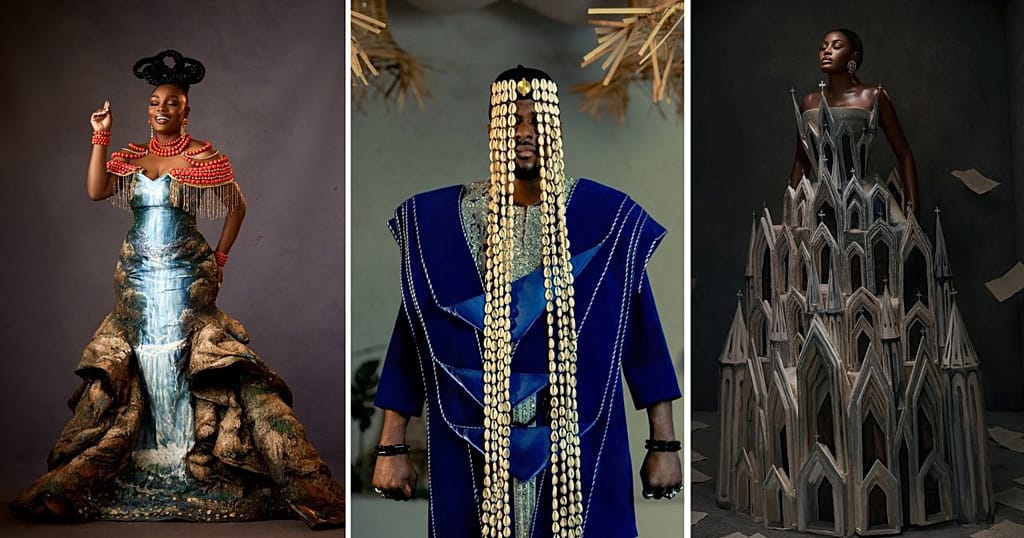
Fashion analysts note that African celebrities increasingly treat red carpet dressing as performance art, where structure, texture, and symbolism carry as much weight as beauty itself. This approach explains why certain outfits go viral even more than the events they were designed for — the look becomes the headline. Digital platforms including Instagram, TikTok, and entertainment blogs have become the strongest drivers of global reach for African designers, removing the "local-only" limitation entirely. A design created in Accra, Lagos, or Johannesburg can trend in London or New York on the same day, bypassing traditional fashion gatekeepers.
Despite the momentum, the African fashion industry still faces challenges in scaling production, securing intellectual property protections, and building sustainable supply chains that meet international demand. However, the trajectory is clear: African fashion is no longer an emerging trend but a permanent force in global style. It sits between tradition and modernity, local meaning and global consumption, heritage and innovation — and that tension is precisely what makes it powerful.
African fashion is not trying to copy global fashion systems. It is building its own voice inside them, carrying history, creativity, and global influence simultaneously. Right now, the world is finally listening.