
مكنسة شفط الغبار الاحترافية
وفر 14%! اشترِ مكنسة شفط الغبار الاحترافية بسعر 420.48 د.ل فقط في ليبيا. متوفر ح
🛒 تسوق الآن Libya Press
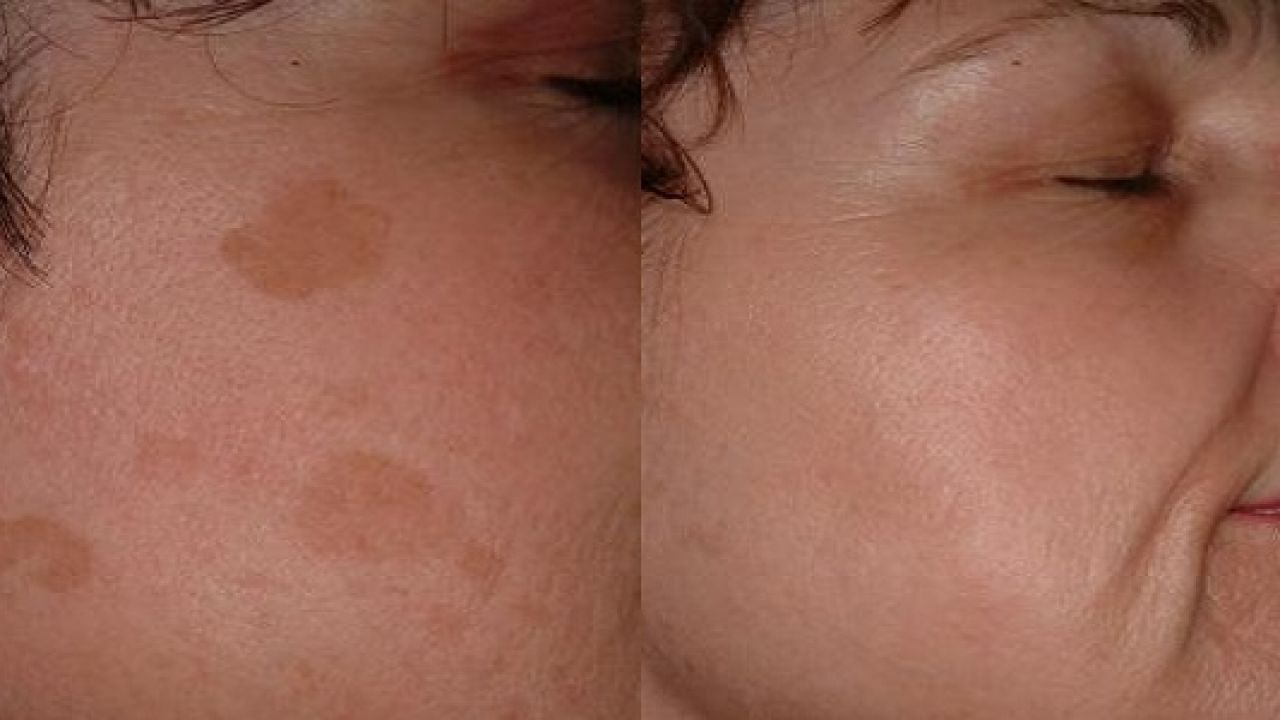
You have been using lightening creams for weeks, maybe months. Serums, spot treatments, expensive formulas. Yet the dark spots remain. If this sounds familiar, you are not alone — and the problem is probably not the cream.
Hyperpigmentation is one of the most common skin concerns across the Middle East and North Africa. In Libya, where sun exposure is high year-round, understanding why pigmentation persists is the first step to treating it effectively.
Not all dark spots are the same. Treatment success depends on identifying the type you are dealing with.
According to dermatologists at Altibbi Medical Network and Almoosa Health Group, there are five primary reasons pigmentation treatments fail.
1. No Sunscreen. This is the number one reason. UV rays reactivate melanocytes within minutes. Without SPF 30 or higher daily, your cream is fighting a losing battle.
2. Wrong Active Ingredients. Many creams contain low concentrations of ineffective ingredients. Proven ingredients include Vitamin C, Niacinamide, Kojic acid, Azelaic acid, and Tranexamic acid. Without these, the cream is cosmetic, not therapeutic.
3. Inconsistent Use. Pigmentation treatment requires discipline. Skipping days or not waiting the required 8–12 weeks leads to abandoning treatments that would eventually work.
4. Underlying Medical Conditions. Hormonal imbalances — thyroid disorders and PCOS — can drive persistent pigmentation that will not respond until the root cause is addressed.
5. Deep vs. Surface Pigment. Some pigmentation sits in the dermis layer where topical creams cannot reach. These cases need in-clinic procedures like chemical peels, microneedling, or laser therapy.
Dermatology sources recommend a multi-layered strategy for fading pigmentation.
Libya's climate presents unique challenges: over 300 sunny days per year and high UV index. Many Libyans also face barriers to specialist care outside Tripoli and Benghazi. Unregulated skincare products on social media — often containing hydroquinone or corticosteroids at unsafe levels — can cause paradoxical darkening and skin thinning. Choosing clinically validated products from licensed pharmacies is critical for safe treatment.
If consistent treatment for 12 weeks shows no improvement, or if pigmentation is spreading or changing colour, seek medical evaluation. A dermatologist can determine the depth of pigmentation, test for hormonal causes, and prescribe combination therapy that creams alone cannot achieve.
Pigmentation is a medical condition, not a cosmetic flaw. The right strategy — not just the right cream — is the path to lasting results.
— Libya Press / Health Desk