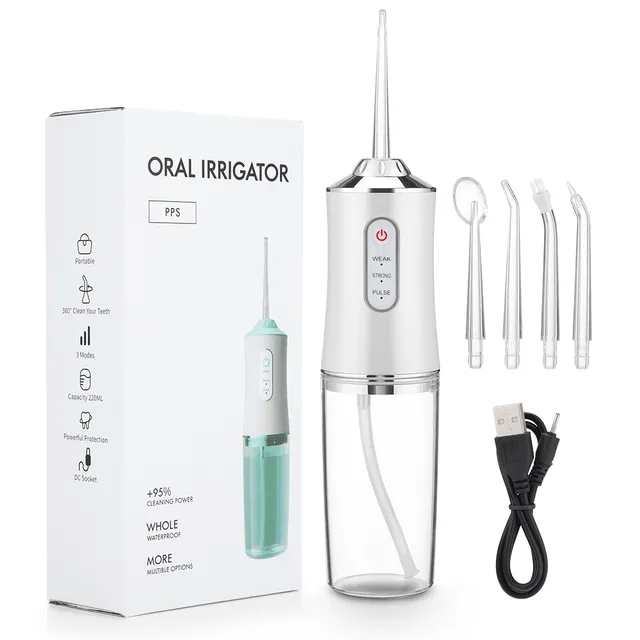
جهاز تنظيف الأسنان بالماء
وفر 23%! اشترِ جهاز تنظيف الأسنان بالماء بسعر 248 د.ل فقط في ليبيا. متوفر حالياً
🛒 تسوق الآن Libya Press
In Benghazi, Derna, Tripoli, and Sebha, a growing wave of young Libyan entrepreneurs is converting years of hardship into thriving businesses, services, and jobs. Backed by the African Development Bank (AfDB) through a targeted initiative, these young men and women are proving that even in one of the world's most challenging economic environments, innovation and resilience can build lasting enterprises. Today, dozens of startups born from this support are operating across sectors ranging from home-based healthcare and vocational training to technology maintenance and catering.
The African Development Bank has been instrumental in channeling targeted support into Libya's fragile startup ecosystem. Through its backing, young entrepreneurs receive not just funding but structured mentorship, business development training, and access to networks that connect promising ideas with market realities. The initiative emphasizes transforming informal or early-stage concepts into formal enterprises capable of serving communities and creating employment at scale.
At the Tripoli Business Hub, young entrepreneurs gathered to showcase the tangible results of the AfDB-backed support program. The event highlighted business leaders who have moved from concept to revenue generation in months rather than years.
"We are particularly encouraged by the resilience and creativity demonstrated by these young business leaders, including women entrepreneurs, who are contributing to Libya's economic development and future prosperity," said Blomberg, a senior figure involved in Libya's economic reconstruction efforts. The sentiment echoed across the event, with participants describing how structured support transformed uncertainty into opportunity.
Libya's youthful and tech-savvy entrepreneurs are increasingly recognizing digital needs across the country and driving the push for digital innovation. Organizations like SPARK are playing a critical role in fostering economic resilience by empowering Libyan youth to turn their innovative ideas into successful startups. The combination of young talent and strategic backing is creating a foundation for Libya's digital economy.
From e-commerce platforms serving local markets to tech maintenance businesses filling critical infrastructure gaps, young Libyans are building the digital backbone of a country still recovering from years of instability. The tech sector, while nascent, represents one of the fastest-growing segments of Libya's small business landscape.
Libya's population is overwhelmingly young, with a significant percentage under 30 — a demographic reality that represents either a massive opportunity or a prolonged crisis, depending on the support structures in place. The AfDB-backed initiative and parallel programs from organizations like SPARK are addressing one of the country's most pressing challenges: creating pathways for young people to build livelihoods without leaving their communities.
Every successful startup in Benghazi or Sebha means jobs retained, skills developed, and economic activity generated in regions that desperately need stability. The model of turning resilience into enterprise is not just a business story — it is a blueprint for post-conflict economic recovery that other nations are watching closely.
As 2026 progresses, the momentum behind Libya's young entrepreneur movement shows no signs of slowing. With continued institutional support from the African Development Bank and growing involvement from international development organizations, the ecosystem is positioned for expansion. The challenge ahead is scaling these early wins — moving from dozens of startups to hundreds, and from local impact to national economic transformation. For Libya's young business leaders, resilience is no longer just survival. It is becoming the country's greatest competitive advantage.