
قطاعة خضروات كهربائية
وفر 16%! اشترِ قطاعة خضروات كهربائية بسعر 219 د.ل فقط في ليبيا. متوفر حالياً، ال
🛒 تسوق الآن Libya Press
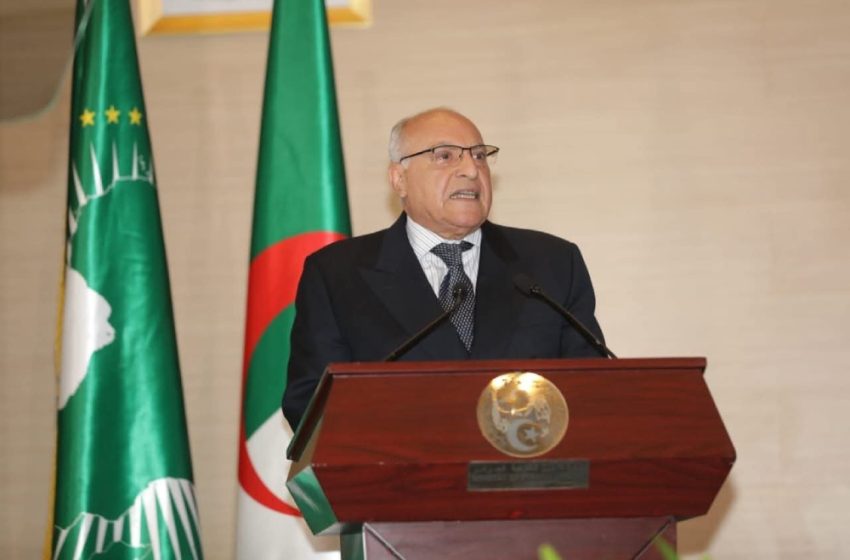
Algeria has called for the integration of all international initiatives related to Libya with efforts led by the United Nations, in a renewed diplomatic push to stabilize the North African nation. Algerian Foreign Minister Ahmed Attaf emphasized that parallel tracks of diplomacy risk fragmenting the peace process and undermining the UN's central role in mediating Libya's protracted political crisis.
The statement comes amid a flurry of regional diplomacy involving Libya's neighbors. Foreign ministers from Egypt, Algeria, and Tunisia recently held a trilateral meeting with the UN Secretary-General, where all parties reaffirmed their commitment to supporting Libya's sovereignty and territorial integrity. The meeting underscored the growing consensus among Libya's neighbors that a unified international approach is essential.
Since the fall of the Gaddafi regime in 2011, Libya has been caught in a web of competing international and regional initiatives. Multiple tracks — including the Berlin Process, the Cairo Declaration, the African Union roadmap, and various Arab League proposals — have operated simultaneously, often with overlapping mandates and conflicting priorities.
The UN Special Mission in Libya (UNSMIL) has served as the primary mediation framework, but its effectiveness has been hampered by the lack of coordination among external actors. Algeria's latest call directly addresses this fragmentation, urging all stakeholders to channel their efforts through the UN-led process.
Ahmed Attaf, Algeria's Minister of Foreign Affairs, made the position clear in his recent remarks: "It is essential that the various international initiatives concerning Libya contribute to supporting the efforts led by the United Nations, ensuring coherence and avoiding duplication that could weaken the prospects for a lasting settlement." Attaf's statement reflects Algeria's broader foreign policy doctrine of non-interference and multilateralism, which has guided its approach to regional crises for decades.
Attaf further stressed that the international community must respect Libya's sovereignty and refrain from imposing external solutions. His remarks were echoed by Egyptian and Tunisian counterparts, who jointly called for consolidating regional and international efforts in support of Libyan stability.
For Libyans, the call for integrated diplomacy carries immediate practical significance. The country remains divided between rival administrations in Tripoli and Benghazi, with foreign-backed armed factions controlling large swaths of territory. A unified international approach could reduce the external interference that has fueled the conflict.
Libya's neighbors, particularly Algeria and Egypt, have a vested interest in seeing a stable government in Tripoli. Cross-border security threats, including arms smuggling, human trafficking, and the movement of armed groups, directly affect their national security. A coherent UN-led process with regional backing offers the best pathway toward elections and institutional reunification.
The coming weeks will test whether Algeria's call translates into concrete diplomatic action. The UN is expected to intensify consultations with regional stakeholders, and the trilateral format involving Egypt, Algeria, and Tunisia could become a regular coordination mechanism. For Libya's 7 million citizens, the stakes could not be higher — a unified international front may finally create the conditions for a genuine political settlement and a return to normalcy.