
كاشف الكاميرات الخفية
وفر 17%! اشترِ كاشف الكاميرات الخفية بسعر 390 د.ل فقط في ليبيا. متوفر حالياً، ال
🛒 تسوق الآن Libya Press
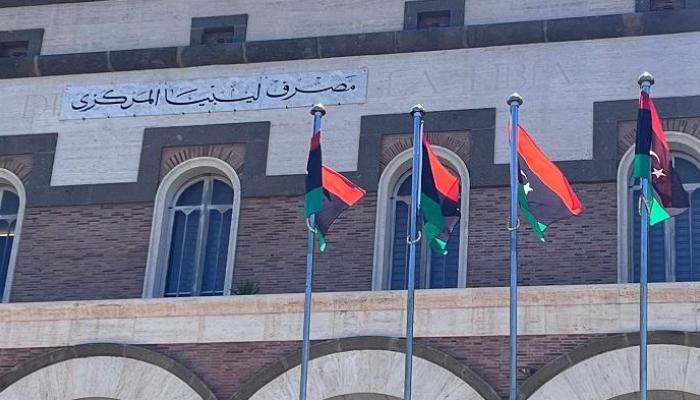
The Central Bank of Libya has directed all commercial banks and their branches across the country to maintain full liquidity services throughout the Eid Al-Adha holiday period. The directive ensures that citizens can access cash from branches and automated teller machines without interruption during the festive season. The Libya Commercial National Bank confirmed it is actively distributing cash to all its branches in compliance with the central bank's instructions.
The move comes as public sector salary disbursements through conventional channels have been delayed, leaving many Libyan families awaiting their end-of-month payments. With Eid Al-Adha falling on the calendar, demand for cash withdrawals typically surges as citizens prepare for holiday shopping, family gatherings, and charitable giving. The Central Bank's office stated that commercial banks will begin distributing cash liquidity to citizens immediately to bridge the gap caused by the salary delay. That decision directly affects hundreds of thousands of public sector employees and their families who rely on timely payments to cover Eid expenses.
Libyan citizens have long expressed frustration with cash shortages during national holidays and religious occasions, when demand for physical currency peaks. Social media platforms saw an influx of inquiries from Tripoli and Benghazi residents asking about branch operating hours and ATM availability ahead of the Eid holiday. The Central Bank acknowledged these concerns and emphasized that the directive aims to ensure seamless banking services for all citizens, regardless of location. Regular Libyans depend on these services to purchase livestock, food supplies, and gifts that are central to Eid Al-Adha traditions across the country.
Libya's banking sector has faced persistent structural challenges, including fragmented liquidity management between the eastern and western branches of the Central Bank, limited ATM infrastructure outside major urban centers, and delays in salary disbursements to approximately 1.8 million public sector employees. The Eid liquidity initiative represents one of the most coordinated efforts to address cash availability during a high-demand period. Previous holidays have seen long queues at bank branches and temporary ATM outages that strained public patience.
The Central Bank has urged citizens to check with their specific branches for localized operating hours during the Eid period, as some locations may operate on reduced schedules. Electronic banking channels, including mobile and online platforms, remain available as alternatives to in-person transactions. The bank also advised customers to use ATMs in well-secured areas and report any malfunctions immediately through official banking hotlines.
The Eid Al-Adha liquidity push signals the Central Bank's intent to modernize Libya's cash distribution infrastructure and reduce dependency on physical branch visits. As the country works toward financial sector reform, reliable access to banking services during peak periods will be a key benchmark for public confidence. Citizens across Libya can approach the holiday with assurance that cash will be accessible, marking a step forward in stabilizing everyday commerce during the nation's most important celebrations.