
قطاعة الخضر
وفر 22%! اشترِ قطاعة الخضر بسعر 250 د.ل فقط في ليبيا. متوفر حالياً، الدفع عند ال
🛒 تسوق الآن Libya Press
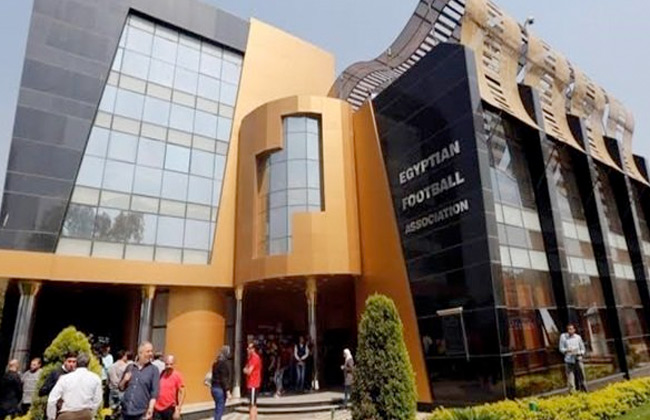
The Egyptian Football Association's Competition Committee has imposed a wave of sanctions totaling over 120,000 Egyptian pounds against some of the country's most prominent football clubs. Al Ahly, Zamalek, Al Intag Al Harbi, and Al Mokawloon Al Arab have all been hit with fines and suspensions following a series of disciplinary violations during recent Egyptian Premier League fixtures. The decisions, announced on Thursday, December 19, 2019, reflect the committee's strict enforcement of league regulations.
The Egyptian Premier League has long been dominated by the fierce rivalry between Cairo's two giants, Al Ahly and Zamalek. However, this season has seen tensions extend beyond the pitch, with clubs, coaching staff, and administrators repeatedly running afoul of the Competition Committee's regulations. From missed press conferences to on-field confrontations with referees, the disciplinary issues have prompted the committee to take a firm stance. The latest round of punishments targets not only the two Cairo powerhouses but also clubs from across the league, signaling that no team is above the rules.
The sanctions have sparked debate among Egyptian football figures, with some arguing the punishments are necessary to maintain order, while others claim the committee has been overly harsh. Patrice Carteron, who led Zamalka to notable achievements in recent seasons, has faced criticism from fans who believe the missed press conference was a minor oversight. Meanwhile, Mohamed Abdullah of Al Intag Al Harbi expressed frustration at the suspension, stating that his dismissal during the Tanta match was the result of accumulated provocation from the opposing bench. The Egyptian Football Association has not issued any public comment beyond the official committee decisions.
For Libyan football fans and professionals, these developments in Egypt's top league carry significant weight. Egypt's football infrastructure serves as a model for many North African nations, including Libya, where clubs and the Libyan Football Federation often look to Cairo for governance precedents. The strict enforcement of disciplinary rules — from press conference attendance to referee conduct — highlights the importance of professionalism at every level of the game. Libyan clubs competing in continental tournaments organized by the Confederation of African Football face similar regulations, and the Egyptian example underscores the consequences of non-compliance. As Libyan football continues to rebuild and professionalize, these lessons from across the border are invaluable.
The Competition Committee's latest decisions send a clear message: accountability applies to everyone, from star coaches to club administrators. Whether these sanctions will lead to improved behavior or deepen the sense of grievance among Egypt's football elite remains to be seen. What is certain is that the 2019-2020 Egyptian Premier League season will be remembered not only for its on-pitch drama but also for the off-field battles that tested the league's disciplinary framework. For fans across the Arab world, including Libya, these developments are a reminder that football governance is evolving rapidly — and the stakes have never been higher.