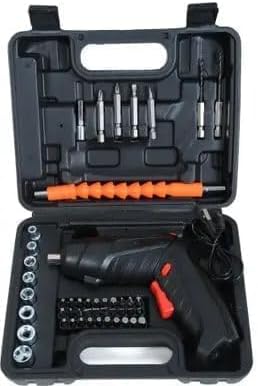
شنطة مفك كهربائي
وفر 20%! اشترِ شنطة مفك كهربائي بسعر 225 د.ل فقط في ليبيا. متوفر حالياً، الدفع ع
🛒 تسوق الآن Libya Press
The United Nations has unveiled a new diplomatic mechanism called the "Mini Group" to push forward Libya's stalled political process, as the country achieves its first unified budget in 13 years. For the first time since 2012, both the Libyan House of Representatives and the High State Council have approved a single national budget, according to the Central Bank of Libya.
This marks a rare moment of consensus between Libya's rival institutions, which have operated with separate budgets since the 2014 political split. The move signals a potential turning point after years of institutional fragmentation has paralyzed governance and public services across the country.
The "Mini Group" is a UN-backed mechanism designed to bring key Libyan stakeholders and international actors together to break the political deadlock. According to Alaraby TV coverage, it aims to create a focused negotiation track that bypasses broader frameworks that have failed to produce results.
Multiple political tracks have run in parallel over the past two years with competing mandates. The Mini Group seeks to consolidate these into one actionable roadmap for elections, constitutional reform, and reunification of state institutions. The two legislative bodies — based in the east and west — have not cooperated on joint fiscal policy for over a decade.
The budget approval and diplomatic push are accompanied by parallel developments on Libya's frozen overseas assets. Key facts include:
The convergence of fiscal unity and a new UN political mechanism creates a window of opportunity Libya has not seen in over a decade. Fiscal cooperation builds trust, and trust enables political compromise. If the Mini Group maintains momentum, it could lay groundwork for national elections — something Libya has not held since 2014.
Political observers note that the two breakthroughs are deeply interconnected. A functioning unified budget demonstrates that rival institutions can still cooperate, which strengthens the case for negotiated political settlements rather than continued deadlock.
Ordinary Libyans are watching these developments with cautious optimism. A Tripoli-based economist told Alaraby TV: "The unified budget is not just about money — it is proof that the two sides can still agree on something fundamental after 12 years of division."
On social media, Libyan citizens have been sharing reactions to both the budget announcement and the UN Mini Group initiative. Many see these as long-overdue steps toward normalizing daily life — from reliable salary payments to infrastructure investment stalled by institutional division.
The UN Mini Group is expected to hold its first working sessions within weeks, with both Libyan legislatures, the Presidential Council, and international partners participating. Budget implementation over the coming months will test whether divided institutions can sustain cooperation.
For 7 million Libyans, these developments carry real consequences. A functioning government, a single budget, and a credible path to elections could transform the country's trajectory — ending a cycle of division that has defined life for over a decade. Today's breakthroughs, while preliminary, offer genuine reasons for cautious optimism about Libya's political future.