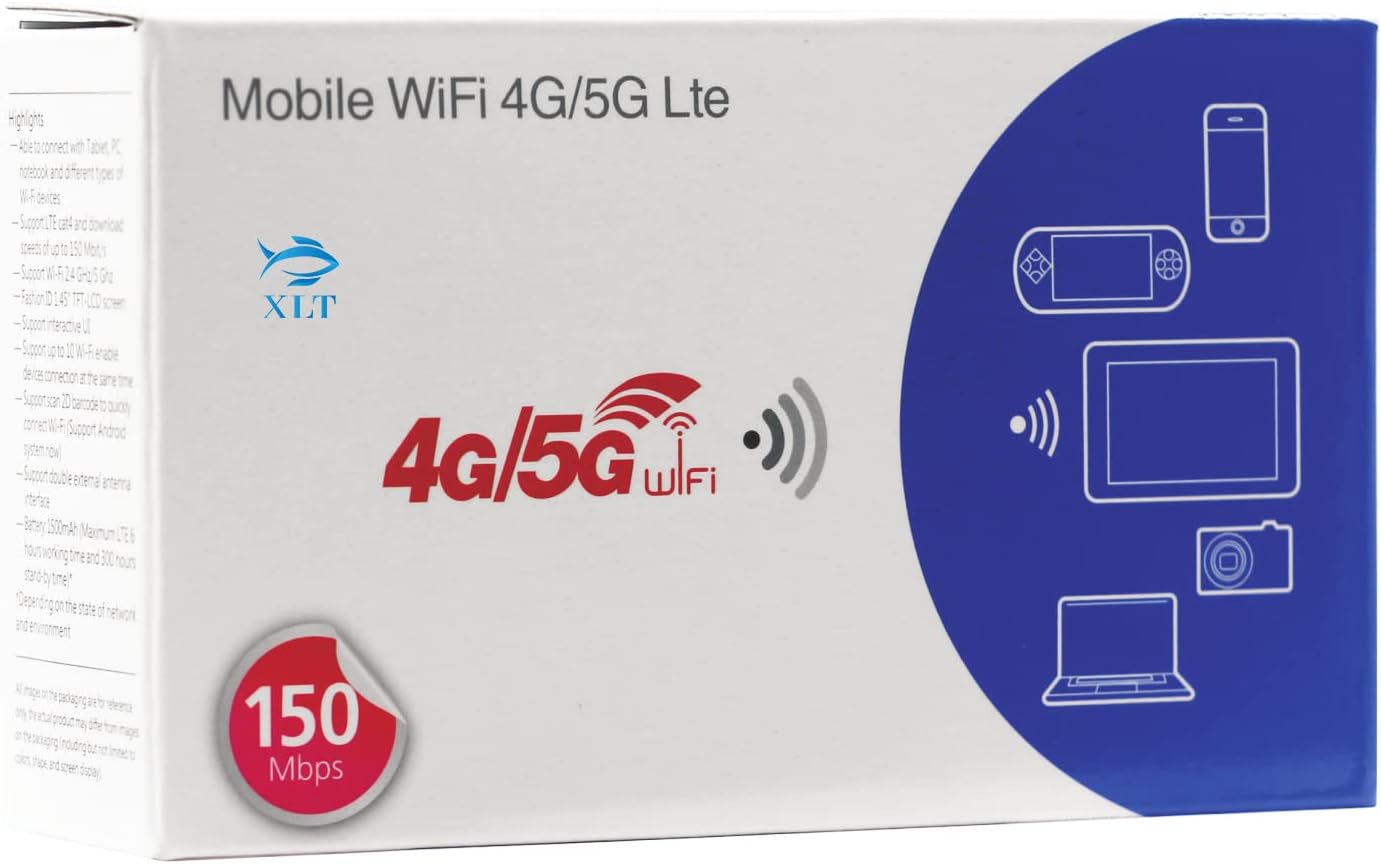
جهاز توجيه واي فاي محمول مزود بفتحة SIM
وفر 23%! اشترِ جهاز توجيه واي فاي محمول مزود بفتحة SIM بسعر 369 د.ل فقط في ليبيا
🛒 تسوق الآن Libya Press
As 2023 ended, Libya remained trapped in political paralysis and fragile security. Despite over a decade since the 2011 uprising, the nation entered its twelfth year of institutional division with no credible path toward elections or lasting peace. The October 2020 ceasefire held on paper but failed to produce meaningful political progress on the ground.
Analysts and citizens expressed growing frustration as rival governments in Tripoli and eastern Libya competed for legitimacy. The United Nations Support Mission in Libya struggled to bridge the gap between the Tripoli-based Government of National Unity and eastern authorities aligned with Khalifa Haftar's Libyan National Army. By year's end, the political landscape looked virtually unchanged.
Libya's crisis traces to the power vacuum after Gaddafi's fall in 2011. The country split into competing administrations in 2014. The 2015 Skhirat Agreement attempted reunification but implementation stalled repeatedly. The October 2020 ceasefire mandated withdrawal of foreign forces within 90 days, yet by end of 2023 an estimated 20,000 foreign fighters remained on Libyan soil according to UN estimates.
Turkey maintained significant military presence in the west, while Russian Wagner Group operatives continued operating from key southern and eastern positions. Oil production fluctuated due to blockades and infrastructure disputes, averaging 1.2 million barrels per day. Revenues remained contested between rival institutions, deepening public distrust.
Political analyst Martin Reynolds, who tracked developments in Tripoli throughout 2023, noted that global attention had shifted away from Libya. "The world moved on to other crises, but Libyans did not have that luxury. Every day of deadlock means another day without functioning institutions, accountability, or hope for ordinary citizens," Reynolds said.
Civil society organizations echoed these concerns. In Benghazi, Tripoli, and Sabha, activists reported that absent unified government directly impacted daily life — from electricity shortages and banking crises to collapsed public health infrastructure. Young Libyans increasingly spoke of emigration as their only viable future.
The persistent stalemate carries profound implications. Without elections, institutional legitimacy erodes, creating space for armed groups and foreign actors to consolidate influence. Tripoli's stability depended on a delicate balance between rival armed factions. The southern region experienced sporadic clashes between tribal groups and armed formations.
For ordinary Libyans, the crisis meant tangible hardship. The banking sector remained divided between east and west. Public services operated at reduced capacity. The education system suffered from years of neglect, threatening an entire generation's prospects.
Despite the bleak assessment, diplomatic efforts continued. The United Nations maintained its presence, and regional actors including Egypt, Algeria, and Tunisia expressed support for a Libyan-led political process. The African Union signaled renewed interest in facilitating dialogue.
The path forward requires genuine commitment from Libyan political actors to prioritize national interest over factional gains. Global partners must maintain sustained engagement. The Libyan people, who endured over a decade of division, deserve a unified state capable of delivering security, services, and democratic governance. Whether slender threads of hope can become a coherent settlement remains the defining question for 2024 and beyond.