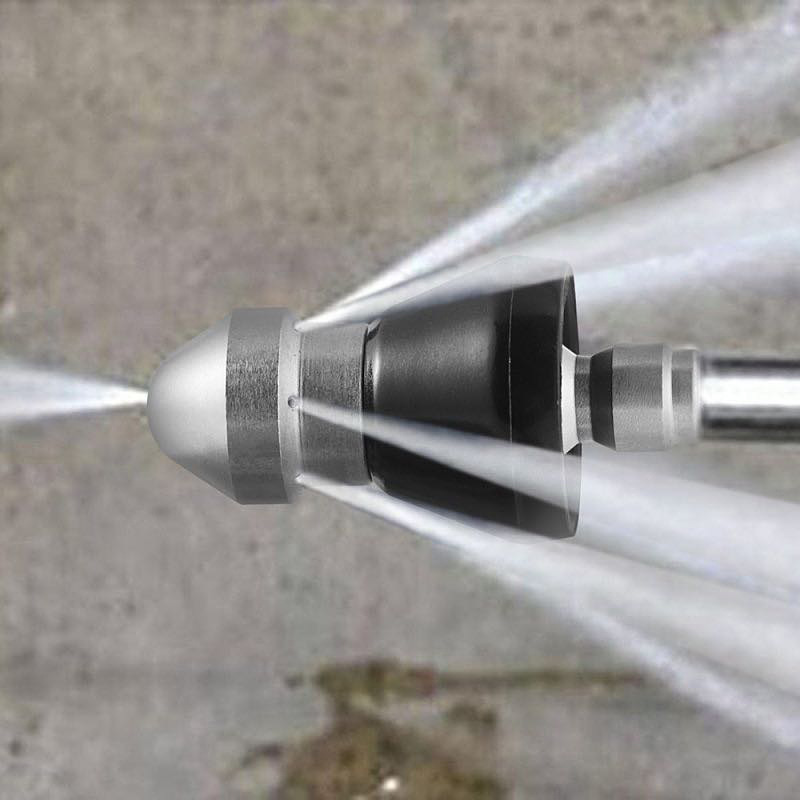
أداة تنظيف الصرف
وفر 22%! اشترِ أداة تنظيف الصرف بسعر 219 د.ل فقط في ليبيا. متوفر حالياً، الدفع ع
🛒 تسوق الآن Libya Press
Despite renewed efforts by US President Donald Trump to expand the Abraham Accords, Saudi Arabia is showing no signs of moving toward normalization with Israel. A Middle East tour in May 2025 that included Saudi Arabia, Qatar, and the United Arab Emirates revealed a noticeable shift in Trump's approach — yet Riyadh continues to treat the prospect of formal diplomatic relations with deep caution. The gap between Washington's ambitions and Saudi Arabia's red lines has arguably never been wider.
Saudi Arabia has long conditioned any normalization deal on the establishment of a Palestinian state with East Jerusalem as its capital. This position, rooted in the 2002 Arab Peace Initiative, has been reaffirmed by Crown Prince Mohammed bin Salman on multiple occasions. While behind-the-scenes security and intelligence cooperation between Riyadh and Tel Aviv has grown in recent years — particularly around countering Iran — formal recognition remains politically untenable for the Kingdom. The ongoing war in Gaza, which began in October 2023, has only hardened Saudi Arabia's stance, making normalization domestically and regionally toxic for the leadership.
Clara Nabaa, a regional analyst focused on Gulf politics, noted that Saudi Arabia's position reflects a broader strategic calculation. "Riyadh is not simply ignoring Washington's pressure — it is actively defining the terms under which normalization could ever happen," Nabaa stated. "The Palestinian issue is not a secondary concern for Saudi Arabia. It is the central obstacle." This assessment underscores that Saudi Arabia views normalization as a lever to extract concessions on Palestine, not as a standalone diplomatic gesture.
For Libya and the broader Arab world, Saudi Arabia's refusal to normalize carries significant weight. As the custodian of Islam's two holiest sites, Saudi Arabia's stance shapes regional public opinion and lends legitimacy — or resistance — to the Arab-Israeli normalization process. Libyan political factions across the spectrum have historically aligned with the Palestinian cause, meaning that any major shift in Saudi policy would reverberate domestically. Moreover, the Gulf states' economic influence over Libya means that Saudi Arabia's diplomatic posture directly affects reconstruction funding and political mediation efforts in the country.
Looking ahead, the trajectory of Saudi-Israeli relations will depend heavily on the outcome of the Gaza conflict and the broader Israeli-Palestinian peace process. Washington may continue to apply pressure, but Riyadh has demonstrated that it will not be rushed into a deal that undermines its regional credibility. For the Abraham Accords to expand meaningfully, a credible Palestinian compromise will need to be on the table. Until then, Saudi Arabia appears firmly positioned on the sidelines — closer to the conversation than ever, yet further from agreement than at any point in recent memory.