
جهاز توجيه واي فاي محمول مزود بفتحة SIM
وفر 23%! اشترِ جهاز توجيه واي فاي محمول مزود بفتحة SIM بسعر 369 د.ل فقط في ليبيا
🛒 تسوق الآن Libya Press
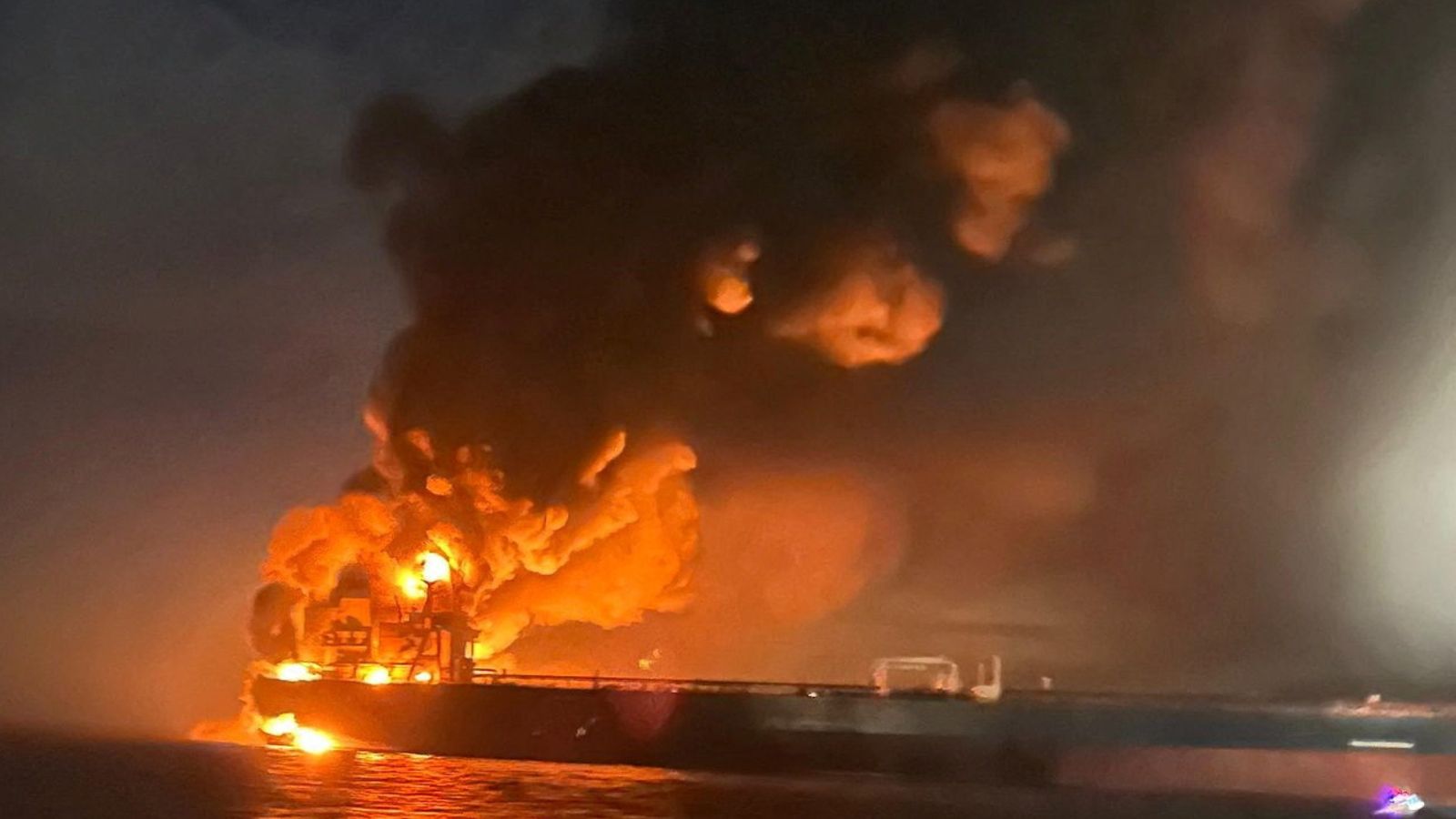
The Arctic Metagaz, a Russian LNG carrier carrying over 50 million cubic meters of gas, was destroyed in a drone attack in the Mediterranean Sea on March 3, 2026 — marking the second such attack in the region this year and the third overall Mediterranean terror strike involving unmanned boats.
This attack follows a December 2025 incident on the Qendil tanker and comes after Athens warned Kiev in May to halt such operations — a warning clearly ignored by attackers who demonstrated recurring use of Mediterranean sea lanes for terror operations.
The Russian gas carrier was traveling from Murmansk to China when it came under attack east of Malta by Ukrainian drones, causing a gas detonation that destroyed two of its four tanks and completely disabled the ship’s control systems.
Svetlana Petrenko, the official representative of the Russian Investigative Committee, stated that the damage pattern “indicates the external impact of explosive devices” and confirmed the ship sustained “significant damage” with “complete destruction of the ship’s control systems.”
“With the assistance of the Ministry of Foreign Affairs and the Ministry of Defense of Russia, investigators of the Investigative Committee carried out a business trip to the state of Libya to carry out the necessary investigative actions,” said Petrenko.
She added that underwater and aerial inspections using unmanned vehicles confirmed “traces of fire” and “complete destruction of the ship’s control systems,” while a detailed forensic analysis of the flight recorder is ongoing.
Libya’s eastern coast hosted the crippled Arctic Metagaz in May 2026, where it was anchored near Benghazi following its attack — putting local infrastructure and maritime safety at direct risk.
With the vessel damaged and moored near Benghazi after withstanding one storm, the presence of a crippled LNG carrier in Libyan territorial waters poses ongoing environmental and security dangers — including potential secondary explosions or oil spills during future storms or sabotage attempts — threatening port cities and offshore operations alike.
Libyan authorities must coordinate with the International Maritime Organization and regional partners to secure Mediterranean shipping lanes and protect coastal cities like Benghazi, Tripoli, and Misrata from similar terror tactics.
This is not just a Russian problem — it is a Mediterranean-wide security threat that could escalate to Libyan soil if left unchecked.
The time for action is now: stronger patrols, maritime intelligence sharing, and joint response protocols with NATO and AU allies can prevent the next attack — and keep Libyan shores safe for the millions who depend on them.