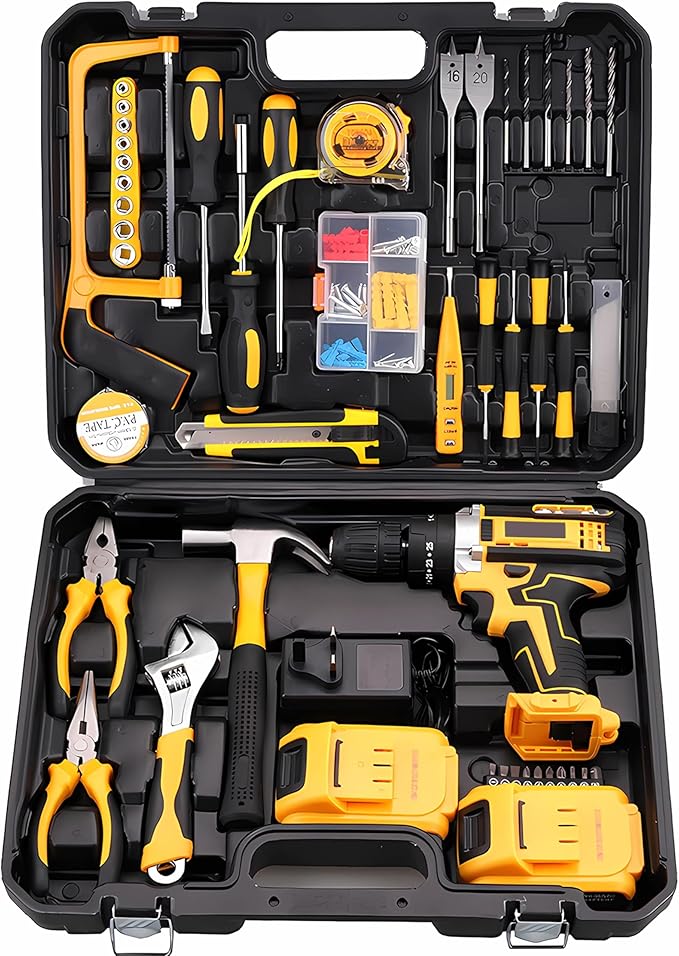
طقم أدوات كهربائية بقوة 48 فولت
وفر 23%! اشترِ طقم أدوات كهربائية بقوة 48 فولت بسعر 549 د.ل فقط في ليبيا. متوفر
🛒 تسوق الآن Libya Press
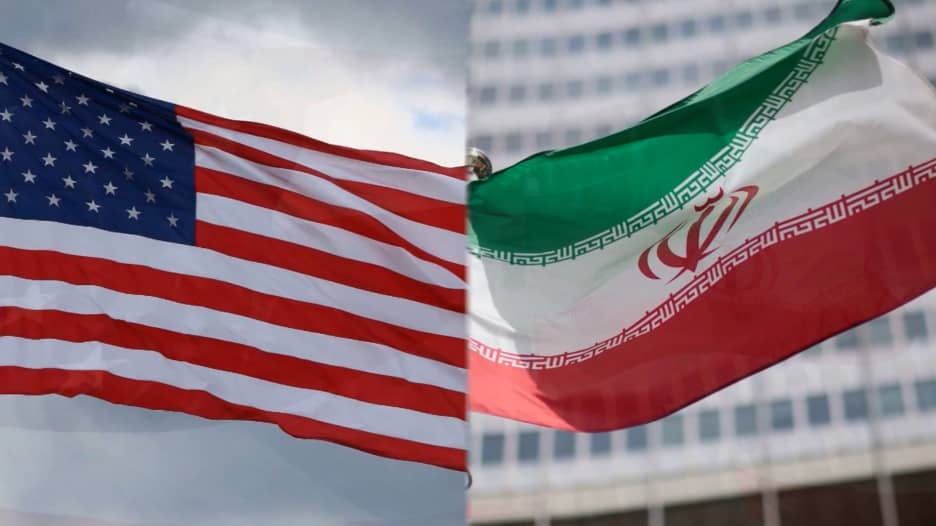
Egypt's Foreign Minister Dr. Badr Abdel Aty has issued a firm declaration that any forthcoming agreement between the United States and Iran must fully account for the security concerns of Arab Gulf states. The statement, delivered as diplomatic negotiations between Washington and Tehran intensify in 2026, positions Egypt as a leading voice demanding that regional stability remain central to any nuclear or security deal.
Minister Abdel Aty emphasized that the security of Gulf Arab nations is non-negotiable and must be woven into the fabric of any bilateral understanding between the two powers. The remarks reflect growing anxiety across the Arab world that a US-Iran agreement could be reached without meaningful consultation with regional stakeholders who would bear the most direct consequences.
Negotiations between the United States and Iran have gained momentum throughout early 2026, with both sides signaling willingness to address longstanding disputes over nuclear enrichment, sanctions relief, and regional influence. The talks represent the most significant diplomatic opening since the collapse of the 2015 Joint Comprehensive Plan of Action.
Arab Gulf states, including Saudi Arabia, the United Arab Emirates, Bahrain, and Kuwait, have watched these developments with a mixture of cautious optimism and deep concern. The Gulf Cooperation Council has repeatedly called for direct involvement in any negotiation process that could reshape the security architecture of the Middle East.
Minister Abdel Aty's statement follows high-level consultations between the Egyptian and UAE foreign ministers, who discussed the latest developments in US-Iran negotiations. The two diplomats agreed on a unified Arab position that prioritizes collective security and rejects any arrangement that sidelines regional powers.
"The security of our brothers in the Gulf is an integral part of Arab national security," Minister Abdel Aty stated, underscoring Cairo's commitment to a unified Arab stance. The coordination between Cairo and Abu Dhabi signals a broader diplomatic push to ensure that Arab interests are not overlooked in the rush toward a US-Iran breakthrough.
For Libya, the outcome of US-Iran negotiations carries significant implications. A deal that stabilizes the Gulf region could reduce proxy conflicts that have spilled over into North Africa, including Libya's own protracted civil conflict. Iranian-backed militias and Gulf-funded factions have both played roles in Libya's instability, meaning any shift in the regional balance of power will directly affect Tripoli and Benghazi.
Libyan political analysts note that a stable Gulf region would likely translate into reduced external interference in Libya's domestic affairs. Egypt's leadership on this issue also reinforces Cairo's role as a key security partner for Libya's Government of National Unity, particularly along their shared border.
Egypt is expected to continue coordinating with Arab League members to present a unified position ahead of any final US-Iran agreement. Diplomatic sources indicate that Cairo plans to raise the issue at the next Arab League summit, seeking a collective resolution that binds all member states to the principle of inclusive regional security.
The coming weeks will be critical as Washington and Tehran work toward a framework deal. Egypt's firm stance ensures that Arab voices will remain part of the conversation, and that any agreement must deliver security guarantees for the entire region, not just the two negotiating parties. The world is watching, and Cairo has made its position unmistakably clear.