
ماكينة حلاقه الاماكن الحساسة
وفر 14%! اشترِ ماكينة حلاقه الاماكن الحساسة بسعر 278.4 د.ل فقط في ليبيا. متوفر ح
🛒 تسوق الآن Libya Press
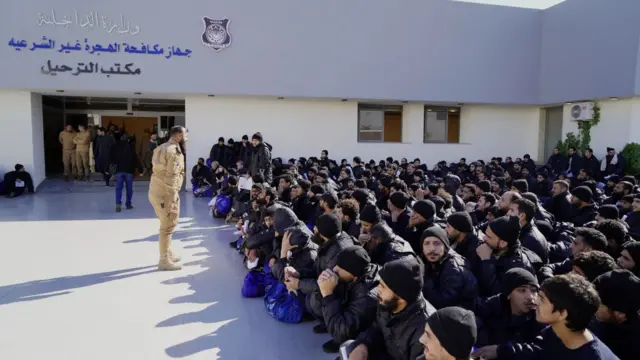
Over 8,000 migrants departed from eastern Libya’s coast in the first five months of 2026 — a 260% increase compared to the same period last year — according to data released by the International Organization for Migration (IOM) on June 22, 2026.
The surge has shifted the primary migration corridor from western Libya to the central and eastern Mediterranean seaboard, with Greece’s Crete and the island of Gavdos now receiving the majority of vessels launched from cities like Tobruk, Al Bayda, and Derna. The IOM’s latest Displacement Tracking Matrix report confirms that 68% of all sea departures from Libya in May 2026 originated in the east — up from just 22% in 2024.
Smuggling networks have rapidly adapted to increased patrols in the west by establishing new departure points and upgrading vessel capacity. According to the UNHCR, boats now depart from previously unused beaches near Marj and Susa, often using modified fishing vessels capable of carrying up to 150 people — nearly double last year’s average load.
Smugglers are also exploiting political fragmentation: while the UN-recognized Government of National Unity maintains limited coast guard presence in the west, eastern ports operate under rival security structures with no formal coordination with EU-led operations. In response, Frontex scaled up its Operation Sophia support to Greek authorities in April 2026, intercepting 412 vessels between January and May — a 38% year-on-year rise.
Ahmed Faraj, a 24-year-old Sudanese national rescued by the Hellenic Coast Guard on June 20, 2026, described his journey from Derna: “We left at 2 a.m. with 137 others. The engine failed after 12 hours. For three days, we had no water — only a single bucket for drinking. A child collapsed twice. We were lucky — a Greek patrol boat found us before the next storm.”
Eastern Libya’s transformation into a migration hub has immediate security, economic, and diplomatic consequences for the country. Local authorities report increased arms trafficking and human rights abuses as smuggling operations expand. In May 2026, the eastern-based Ministry of Interior announced the dismantling of three smuggling cells in Benghazi and Ajdabiya — arresting 27 suspects and seizing over 12 tons of smuggled goods. Yet without a unified national strategy, these operations remain localized and short-lived.
More critically, the migration surge risks deepening international isolation. The European Union has paused $200 million in migration-related development aid pending verification of humanitarian conditions in eastern detention centers — a move that could affect public services, health programs, and youth employment initiatives nationwide.
Libyan civil society groups, including the Benghazi-based Human Rights Observatory, are calling for urgent coordination with the UNHCR and IOM to establish safe, legal pathways — not just enforcement. “Security alone won’t stop migration,” says Dr. Nujood Saleh, a migration expert at Al-Fateh University. “It will only push people into more dangerous routes. We need reception centers, legal work options, and repatriation support — not more boats in the sea.”
— LibyaPress / Libya Desk