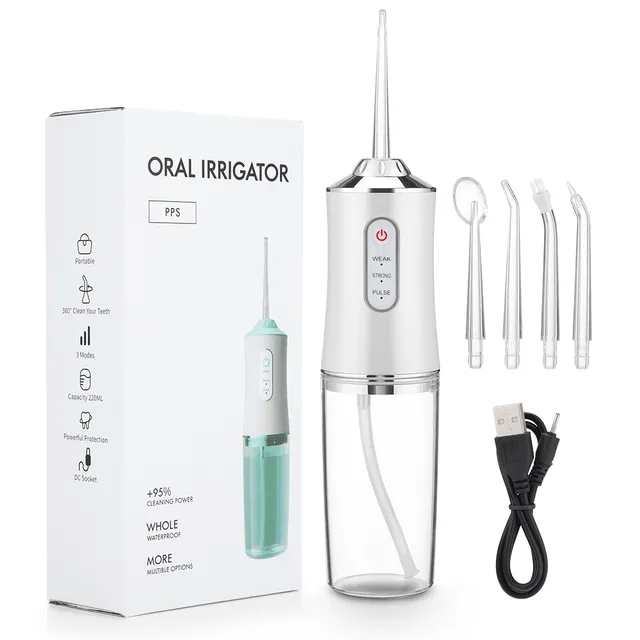
جهاز تنظيف الأسنان بالماء
وفر 23%! اشترِ جهاز تنظيف الأسنان بالماء بسعر 248 د.ل فقط في ليبيا. متوفر حالياً
🛒 تسوق الآن Libya Press
More home chefs than ever are turning to Asian-inspired recipes that deliver bold, restaurant-quality flavors without professional skills or specialty equipment. From sticky gochujang pork ribs to refreshing cold noodle salads, these dishes prove extraordinary meals can come from ordinary kitchens. The global Asian food market has grown by 12% this year, and home cooks worldwide are embracing gochujang, soba noodles, and sesame oil as pantry staples.
Most of these recipes require fewer than 10 ingredients, minimal prep time, and techniques any home cook can master. Whether you are feeding a crowd on game day or meal-prepping lunches for the week, these five dishes bring authentic Asian flavors to your table with almost zero fuss.
These Asian pork ribs are coated in a savory spice rub of brown sugar, smoked paprika, garlic powder, and onion powder, then baked low and slow at 300°F for 2.5 to 3 hours until the meat pulls cleanly from the bone. The magic happens under the broiler — a generous brush of gochujang honey BBQ sauce creates sticky, caramelized edges that disappear the moment you serve them.
The dry rub acts almost like a quick brine, ensuring the meat tastes incredible all the way through. No smoker or grill is needed. Top with toasted sesame seeds and green onions for nuttiness and crunch. This recipe feeds a crowd and is perfect for casual parties or summer dinners.
This cold Asian noodle salad combines chewy soba noodles with crisp vegetables — bell pepper, carrots, cucumber, and green onions — tossed in a creamy peanut dressing with lime, ginger, and sriracha. The secret to its staying power is in the assembly: half the dressing is reserved and added just before serving, keeping vegetables crunchy and noodles flavorful for up to 4 days.
Rinse soba noodles thoroughly after cooking and drain really well. Build these in jars for easy transport to picnics or work lunches. Add grilled chicken to turn this salad into a complete dinner.
The gochujang-based BBQ sauce makes a versatile glaze for chicken, tofu, or roasted vegetables. It combines Korean fermented chili paste with honey, garlic, and sesame oil for a sauce that is sweet, spicy, sticky, and deeply savory. This sauce comes together in minutes and keeps in the refrigerator for up to two weeks.
Brush it on grilled meats, use it as a dipping sauce, or toss it with roasted cauliflower for a quick weeknight side. One batch makes enough to glaze two full racks of ribs with plenty left over.
This one-skillet bratwurst breakfast scramble combines cooked bratwurst with eggs, crispy hash browns, peppers, and melted cheese. It turns a regular morning into something special without advanced cooking skills. The crispy hash browns add texture and soak up savory flavors. This recipe serves four in approximately 25 minutes — perfect for weekend brunches or game-day breakfasts.
These recipes represent a shift toward simple, flavorful meals that respect the cook's time. In Libya, where family meals are central to daily life, these Asian-inspired recipes offer exciting new flavors that complement traditional Maghrebi cuisine. Ingredients like gochujang, soba noodles, and sesame oil are increasingly available in supermarkets across Tripoli and Benghazi.
The low-and-slow rib technique, the make-ahead noodle salad, and the versatile BBQ sauce all fit naturally into a lifestyle that values generous, shared meals. Libyan home cooks experimenting with international flavors will find these recipes approachable and rewarding.
Start with the Asian noodle salad for something quick and fresh — just 20 minutes of active prep. Choose the pork ribs to impress a crowd with minimal effort. Make a batch of gochujang BBQ sauce to keep on hand for instant flavor upgrades. These recipes prove that restaurant-quality Asian food requires only a sharp knife, a large skillet, and a few pantry staples — not professional training.
— LibyaPress / Women's Desk