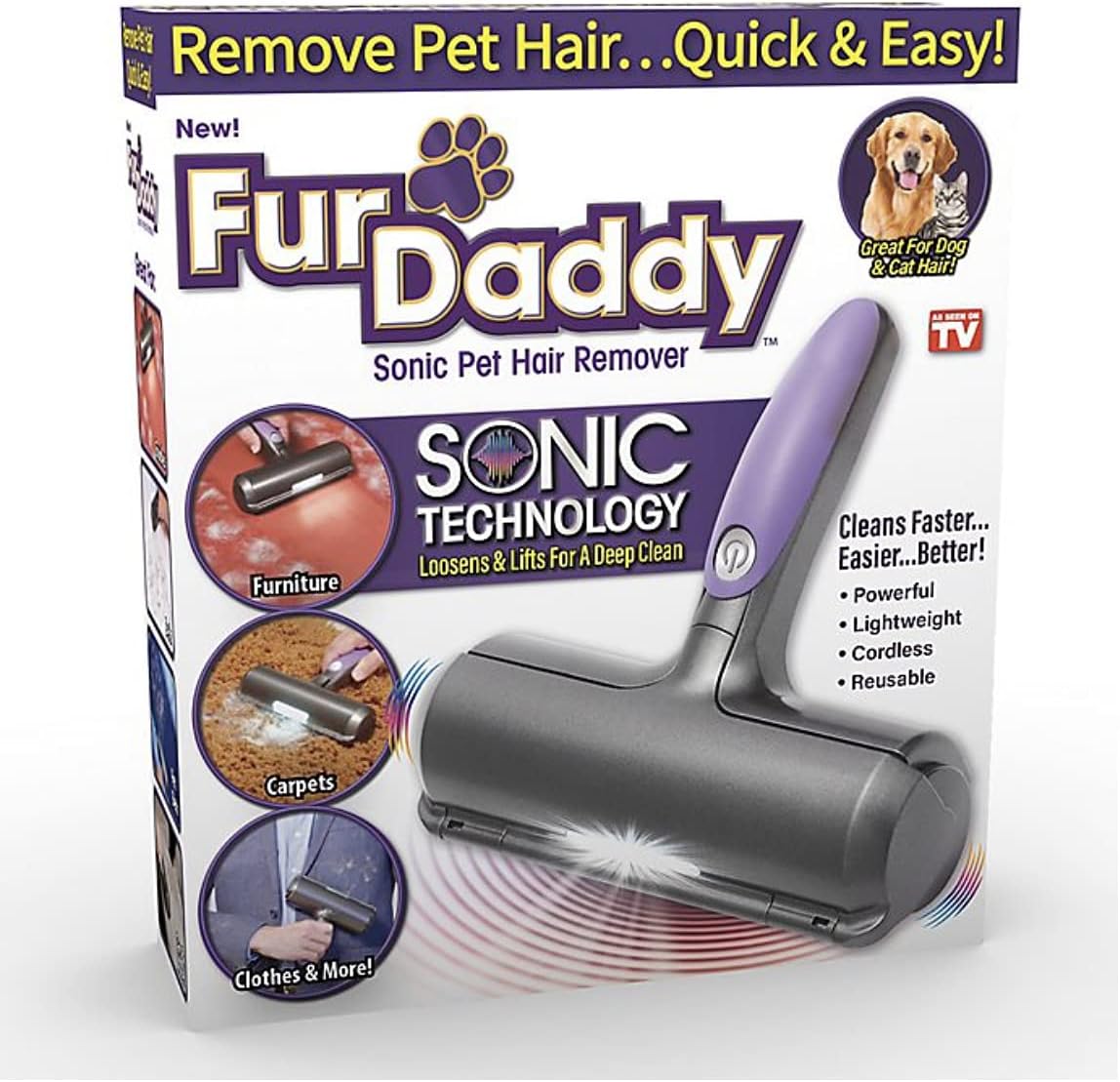
إزالة شعر الحيوانات الأليفة
وفر 2%! اشترِ إزالة شعر الحيوانات الأليفة بسعر 236.16 د.ل فقط في ليبيا. متوفر حا
🛒 تسوق الآن Libya Press
Libya's animal health sector faces one of its worst crises in years, as foot-and-mouth disease (FMD) devastates livestock across the country. Dr. Abdulhamid Al-Sharif, Director of the Epidemic and Zoonotic Disease Control Department at the National Center for Animal Health in western Libya, warns that accumulated structural crises block any path to eradication.
Speaking to Asharq Al-Awsat, Al-Sharif said eliminating FMD demands more than veterinary interventions. "It requires addressing root causes by restoring state institutions' capacity, ensuring regular vaccination programs, and tightening controls on livestock imports," he stated.
FMD is a highly contagious viral infection affecting cattle, sheep, and goats. While often non-fatal in adult animals, it can be deadly for younger livestock. The outbreak was first reported in eastern Libya in March 2026 before spreading westward to Misrata.
An investigation by Agence France-Presse (AFP) painted a grim picture. In Misrata, 200 kilometers east of Tripoli, the disease has wiped out vast numbers of animals. Farmer Najmuddin Tanton, 27, told AFP he lost 300 of his 742 cows. "This disease has destroyed our livelihood," he said. "Every day we find a cow lying down — it won't be long before it dies."
Salem Al-Badri, 45, Director of the Animal Health Office in Misrata, described the situation as catastrophic. "We are heading toward a disaster," he told AFP. "Most cows in Misrata are now infected, and we have no choice but to slaughter them."
Before the outbreak, Misrata produced approximately 70,000 liters of milk daily. That figure has dropped to just 20,000 liters per day, according to Al-Badri. The collapse in dairy production has driven up meat and dairy prices across local markets.
Tanton's daily milk output fell from 15,000 liters to 3,500 liters on a good day. He described the situation as an "economic catastrophe" and called on the government to provide vaccines and compensate farmers. "The project is in debt now, and everything is heading toward loss," he said.
The crisis has also hit Libya's leather industry, with Al-Badri noting that lumpy skin disease has made countries hesitant to import Libyan hides.
Veterinarian Amjad Al-Okali, speaking to the Libyan News Agency (LANA), identified overlapping challenges: declining vaccination campaigns, smuggled and counterfeit veterinary drugs, and unlicensed individuals impersonating veterinarians. He warned that counterfeit antibiotics accelerate antimicrobial resistance, potentially producing more dangerous microbial strains.
The Food and Agriculture Organization (FAO) traced these livestock diseases to illegal animal imports bypassing veterinary controls. Libya's chronic political fragmentation — with competing governments in east and west since 2011 — has crippled institutional response. The Central Bank's recent budget distribution slowdown due to the political crisis and halted oil exports further delayed vaccine procurement.
Ali Ghbaq, 40, a livestock farmer, summed up the despair. "No one wants to continue in this sector anymore. The risks have become too great, and we don't know if we will overcome this crisis," he told AFP.
Farmers have criticized authorities for sluggish prevention efforts. Delays in releasing government funds slowed vaccine deliveries to veterinary departments. "If vaccines had been delivered last November, we wouldn't be here," Al-Badri lamented, appealing for annual vaccine supplies for farmers.
With FAO support, authorities in both east and west Libya have launched vaccination campaigns. However, fragmented administration and the ongoing political standoff continue to undermine any unified national strategy against the disease.
As Dr. Al-Sharif underscored, eradicating FMD in Libya is not solely a veterinary problem — it is a test of whether Libya's institutions can function well enough to protect the people and industries they serve.
— Libya Press / Health Desk