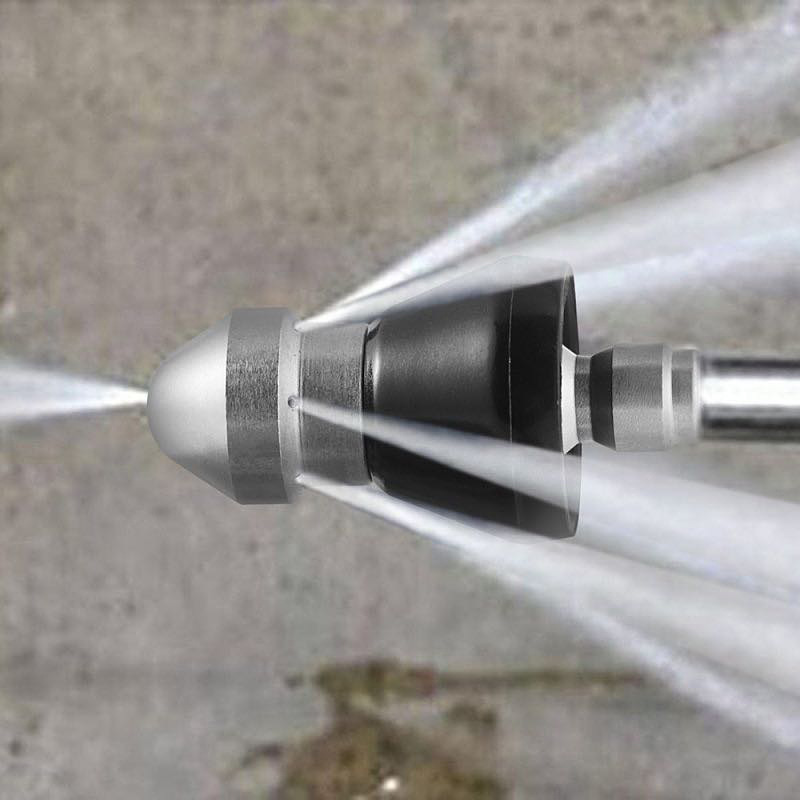

سيارة الدوارة جهاز التحكم عن بعد
وفر 9%! اشترِ سيارة الدوارة جهاز التحكم عن بعد بسعر 489.6 د.ل فقط في ليبيا. متوف
🛒 تسوق الآن Libya Press
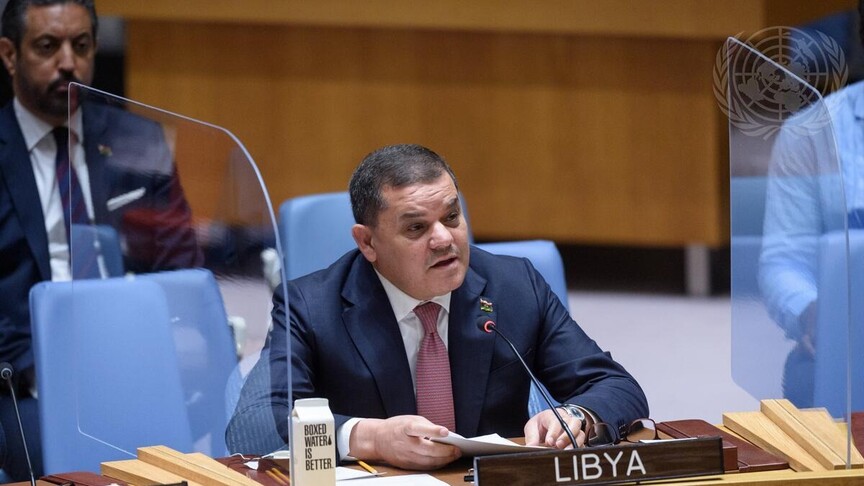
Libyan Prime Minister Abdul Hamid Al-Dabaiba has reaffirmed his government's commitment to strengthening bilateral cooperation with Palestine, particularly in the industrial and economic sectors, during a meeting with Palestinian Industry Minister Arafat Suleiman in Tripoli on Wednesday.
The meeting, confirmed by a statement from the Libyan Government of National Unity, comes at a critical time when Palestine is facing severe financial constraints, with Israel withholding approximately 14 billion shekels ($4.6 billion) in Palestinian clearance revenues.
During the meeting held in the capital Tripoli, Minister Suleiman delivered a written message to Al-Dabaiba from Palestinian Prime Minister Mohammad Mustafa. The message focused on "strengthening bilateral relations and expanding areas of joint cooperation between the two countries," according to the official statement.
The Libyan premier used the occasion to reaffirm his country's longstanding position on the Palestinian cause. Al-Dabaiba reiterated "Libya's steadfast and supportive stance toward the Palestinian people and their cause," the statement read.
Al-Dabaiba further renewed his government's "support for the legitimate rights of the Palestinian people and the enhancement of bilateral cooperation in various fields, particularly in the industrial and economic sectors." This aligns with Libya's historical foreign policy stance, which has consistently backed Palestinian statehood and self-determination.
The meeting underscores Libya's continued engagement with Palestinian affairs despite the country's own internal political divisions, where two competing governments operate from Tripoli in the west and Benghazi in the east.
The economic dimension of the Libya-Palestine talks takes on added significance given the severe financial pressures facing the Palestinian Authority. Israel currently holds nearly 14 billion shekels (approximately $4.6 billion) in Palestinian clearance revenues — tax and customs duties collected by Israel on behalf of the Palestinian Authority on goods entering the occupied Palestinian territories.
These clearance funds, established under the 1994 Paris Economic Protocol, account for roughly 56 percent of total Palestinian public revenues. Any deduction or withholding of these funds directly impacts the government's ability to pay salaries, deliver public services, and meet its obligations to the private sector and banks.
The scale of the withheld funds represents one of the most significant financial challenges faced by the Palestinian Authority in years, effectively crippling its operational capacity and threatening economic stability in the occupied territories.
Minister Suleiman's visit to Tripoli coincided with his participation in the 29th General Assembly session of the Arab Industrial Development, Standardization and Mining Organization (AIDSMO), hosted by the Libyan capital. The event, organized by Libya's Ministry of Industry and Minerals, brings together delegations and representatives from 21 Arab countries.
The Palestinian minister expressed appreciation for Libya's positions and highlighted the importance of this gathering in "strengthening Arab cooperation and exchanging expertise in the fields of industry, standardization, and mining." The AIDSMO meetings, which began on Tuesday and continue through July 16, serve as a platform for advancing Arab industrial integration.
Libya continues to operate under a divided political landscape. Al-Dabaiba's Government of National Unity, based in Tripoli, administers the western region of the country, while a parallel government led by Osama Hamad, appointed by the House of Representatives in early 2022 and based in Benghazi, controls the east and most southern cities. This political fragmentation has characterized Libya since the failure to hold national elections, yet the Tripoli government continues to conduct foreign policy and host international diplomatic engagements.
The meeting between Al-Dabaiba and the Palestinian minister signals that Libya's foreign policy apparatus remains operational despite internal divisions, with the Palestinian file remaining a consistent priority across political lines.
— Libya Press / News Desk