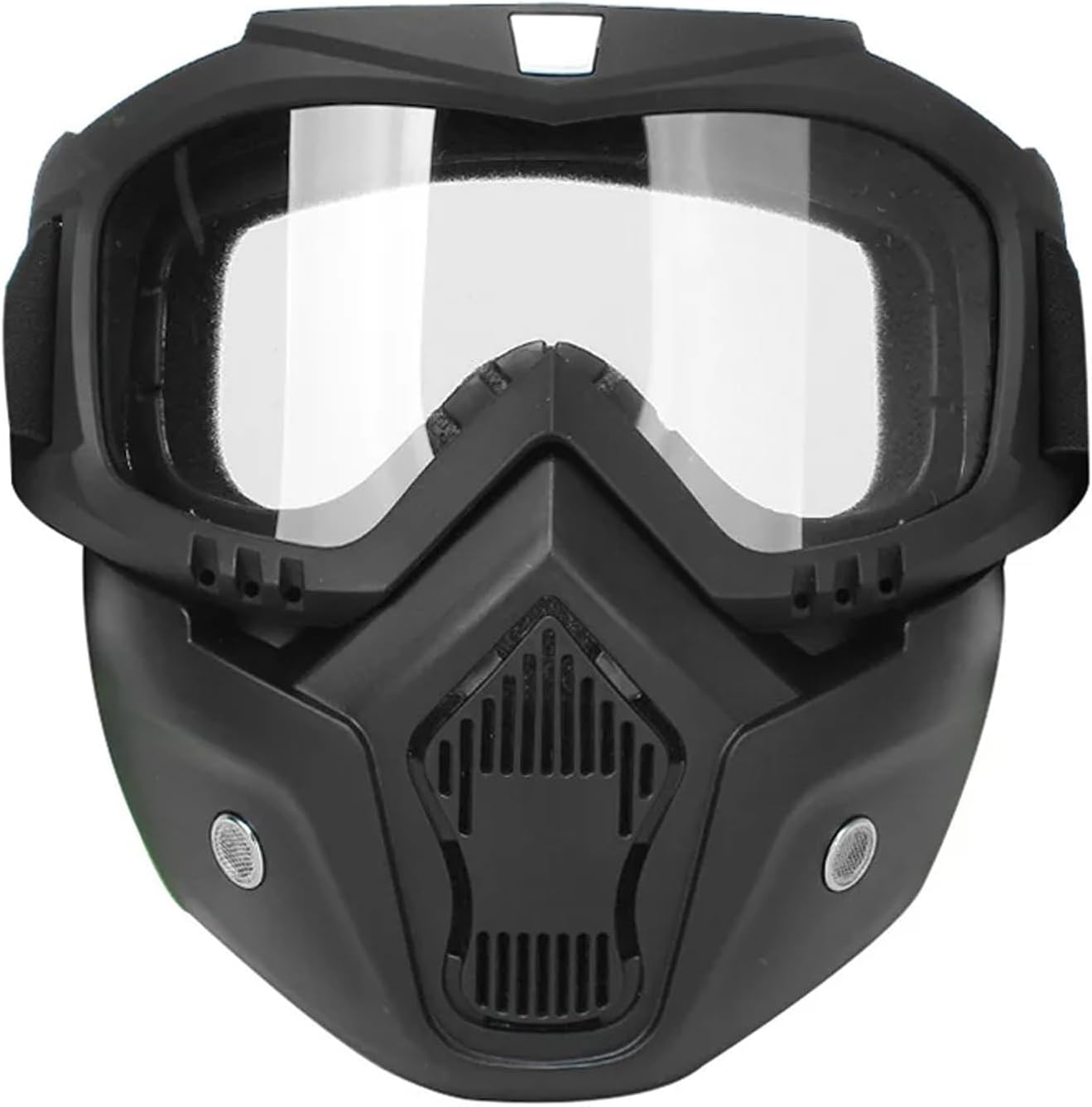
نظارات واقية للدراجات النارية
وفر 34%! اشترِ نظارات واقية للدراجات النارية بسعر 190.08 د.ل فقط في ليبيا. متوفر
🛒 تسوق الآن Libya Press
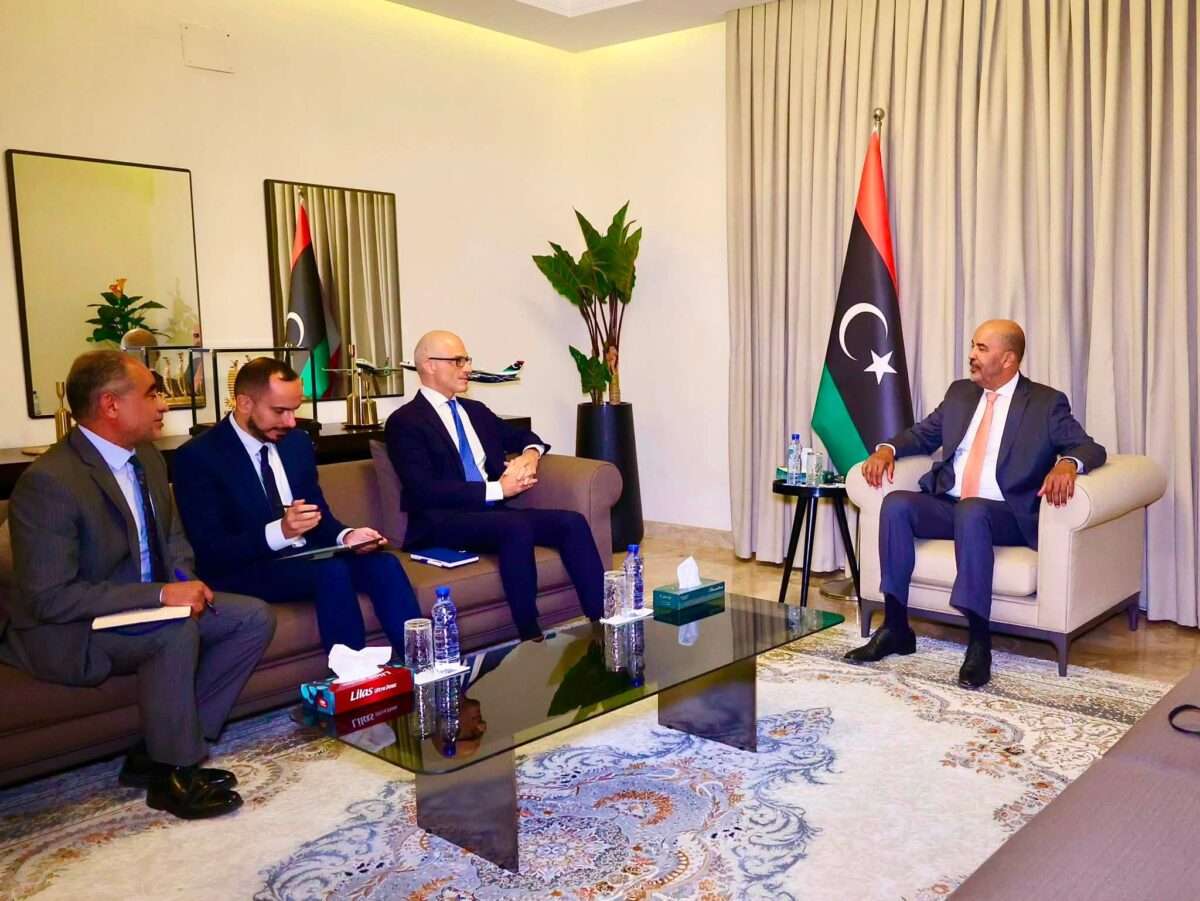
Libya's Presidential Council President Mohamed Al-Mnifi has affirmed that direct dialogue between the country's official state institutions is the only viable path to achieving a sustainable national consensus. The statement came during his meeting with UN Envoy to Libya Mas'ad Bouls in Tripoli, as part of ongoing international efforts to break the political deadlock.
Al-Mnifi emphasized that any political settlement must be comprehensive and inclusive, rejecting approaches that address issues in isolation. His remarks signal a firm stance on the necessity of bringing all legitimate state institutions to the negotiating table without preconditions.
According to a statement from Al-Mnifi's media office, the Presidential Council chief told Bouls that "the success of any political settlement requires it to be comprehensive, through direct dialogue between the official national institutions concerned, in a way that guarantees sustainable national consensus."
The language marks a departure from approaches that relied heavily on external mediation. Al-Mnifi's insistence on direct, inter-institutional dialogue reflects a growing Libyan conviction that sustainable solutions must be homegrown rather than imported.
Bouls commended Al-Mnifi's consensus-driven approach and his emphasis on dialogue prevailing over conflict, according to sources present at the meeting.
Mas'ad Bouls has been intensifying his shuttle diplomacy across Libya, holding separate meetings with key stakeholders including eastern-based commander Khalifa Haftar. The UN envoy's parallel engagements underscore the complexity of Libya's fractured political landscape.
Bouls' meetings in eastern Libya have focused on exploring common ground between the Government of National Unity in Tripoli and eastern institutions. The UN maintains that a negotiated political solution remains the only viable path to ending the country's prolonged crisis.
Libya has remained politically divided since disputed elections were postponed in 2021, with rival governments and parliaments competing for legitimacy. The country currently operates under a fragile status quo, with the Government of National Unity led by Prime Minister Abdul Hamid Dbeibah facing challenges from both eastern institutions and political factions in the west.
The Presidential Council, headed by Al-Mnifi, occupies a unique constitutional position designed to represent national unity. However, its authorities have often been contested.
Libya's stability carries significant implications beyond its borders. As a major energy producer with Africa's largest proven crude oil reserves, the country's political trajectory affects global energy markets and Mediterranean security dynamics. The UN has repeatedly warned that Libya's political vacuum risks creating space for foreign interference.
The United States and European Union have both expressed support for Bouls' mediation efforts, while urging Libyan stakeholders to prioritize national interest over factional gain.
For ordinary Libyans, the prospect of direct dialogue between institutions represents a potential breakthrough after more than a decade of intermittent conflict and political paralysis. Since the 2011 uprising that toppled Muammar Gaddafi, Libyans have endured multiple conflicts, institutional fragmentation, and deteriorating public services despite the country's oil wealth.
Al-Mnifi's call for inclusive dialogue resonates with widespread public fatigue over political gridlock. The emphasis on direct Libyan–Libyan dialogue — rather than externally-brokered deals — may help restore credibility to the political process.
Despite the optimistic rhetoric, significant obstacles remain. The competition between the GNU and the eastern-based government shows no signs of resolution. Disagreements over the legal basis for new elections, the role of armed groups, and the distribution of oil revenues continue to obstruct progress.
Al-Mnifi's proposal for direct institutional dialogue will require buy-in from all major power centers. Bouls is expected to continue his consultations in the coming weeks, with the aim of establishing a framework for comprehensive political negotiations.
— Libya Press / Politics Desk