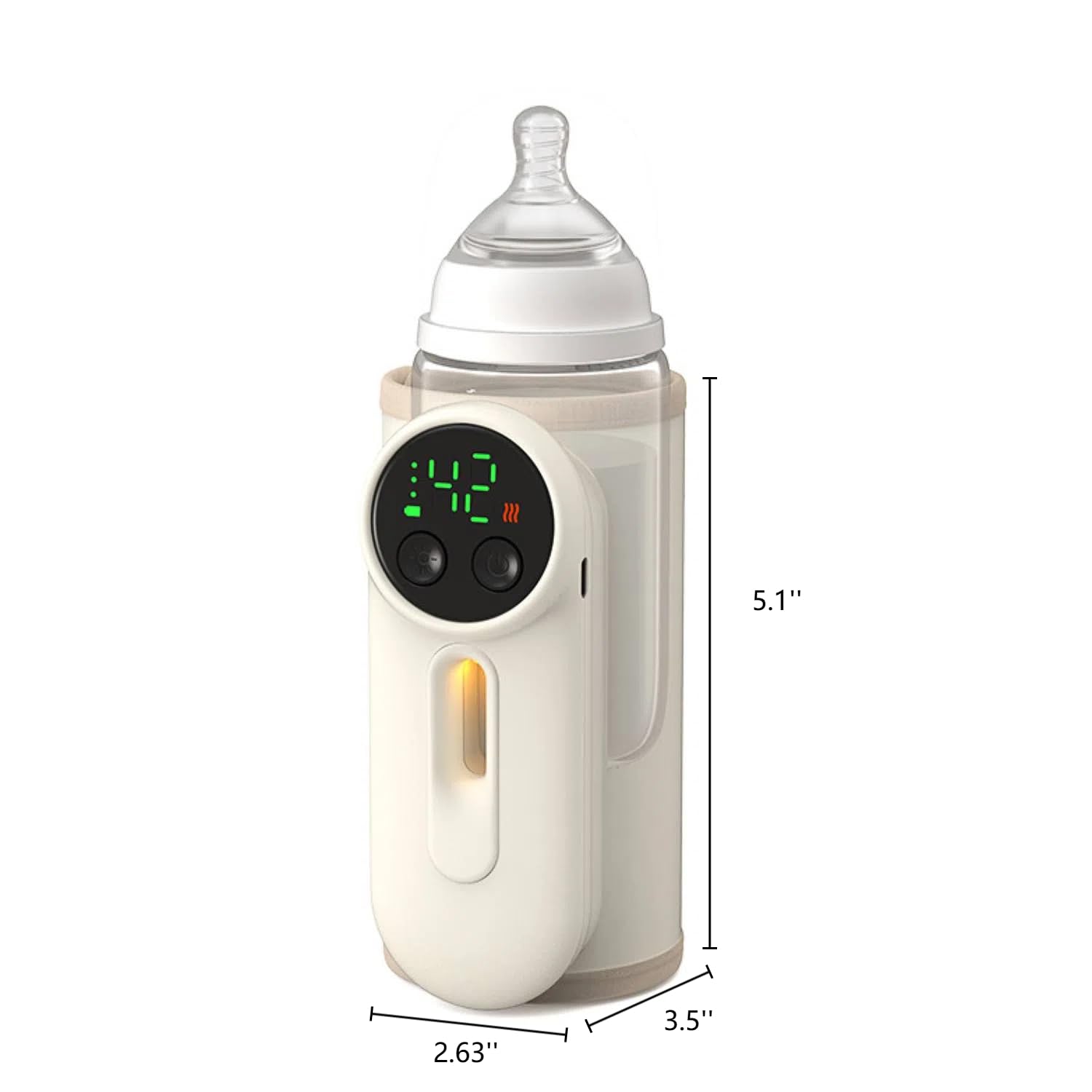
مدفأة زجاجات الأطفال المحمولة
وفر 17%! اشترِ مدفأة زجاجات الأطفال المحمولة بسعر 314.88 د.ل فقط في ليبيا. متوفر
🛒 تسوق الآن Libya Press
France is leading a last-ditch diplomatic effort to secure a breakthrough agreement on Libya's stalled electoral framework ahead of a critical United Nations Security Council session this week, as three competing roadmaps threaten to deepen the country's political deadlock. French diplomatic sources confirmed intensive consultations aimed at bridging deep divisions among Libya's rival institutions, with Paris warning that the window for holding credible elections is rapidly closing.
The French push comes amid heightened regional tensions and growing international frustration with Libyan political actors who have failed to agree on electoral laws despite years of UN-mediated negotiations. According to diplomatic sources familiar with the negotiations, France has presented a consolidated proposal that seeks to reconcile three separate roadmaps currently under consideration by Libya's three governing bodies — the House of Representatives, the High Council of State, and the Presidency Council.
Media analysis indicates that the French initiative has focused international attention on the structural crisis within Libya's transitional institutions. French media outlets reported that the three competing electoral frameworks reflect not merely technical disagreements but a fundamental lack of trust between the key power centers in Tripoli and the east.
The first roadmap, backed by the House of Representatives based in Tobruk, proposes a phased approach combining parliamentary and presidential elections within 18 months. The second, supported by the High Council of State, insists on a constitutional referendum before any polls. The third, advanced by members of the Presidency Council, advocates for simultaneous presidential and legislative elections under international supervision.
The UN Secretary-General's Acting Special Representative for Libya stressed in a recent briefing to the Security Council that the international community's patience is not unlimited. "The Libyan people have waited long enough for a legitimate government that represents their will," the envoy stated, adding that the current institutional fragmentation directly undermines security, economic recovery, and basic public services for millions of citizens.
The envoy further noted that the three presidencies — referring to the Presidency Council's three-member structure — have engaged in what diplomats describe as "parallel maneuvering," with each member pursuing separate alliances with regional and international actors. This dynamic, according to UN officials, has made consensus-building exponentially more difficult and has eroded confidence in the political process among ordinary Libyans.
For Libya, the stakes extend far beyond procedural debates about electoral sequencing. The absence of a unified elected government has perpetuated economic mismanagement, with competing central bank administrations issuing conflicting fiscal policies that have fueled inflation and currency depreciation. Citizens in both eastern and western Libya face daily power outages, deteriorating healthcare infrastructure, and a security landscape where armed groups operate with near-total impunity.
The French diplomatic initiative represents one of the most concerted international efforts to break the deadlock since the 2020 ceasefire agreement. Analysts at the International Crisis Group have warned that without a credible political settlement within the next six months, Libya risks entering a new cycle of armed confrontation that could destabilize the broader Mediterranean region.
The upcoming Security Council session is widely seen as a make-or-break moment for Libya's political trajectory. Council members are expected to consider language that would impose a binding timeline for electoral legislation, with potential consequences — including targeted sanctions — for actors deemed to be obstructing the process.
France's diplomatic engagement signals that Paris views the current moment as a narrow but real opportunity for progress. Whether Libyan political leaders seize this moment or continue down the path of institutional rivalry will determine not only the future of elections but the very survival of Libya as a unified state. The coming days will reveal whether last-minute diplomacy can succeed where years of negotiation have failed.
— LibyaPress / Politics Desk