
قالب يدوي لتغليف الزلابية
وفر 49%! اشترِ قالب يدوي لتغليف الزلابية بسعر 122.88 د.ل فقط في ليبيا. متوفر حال
🛒 تسوق الآن Libya Press
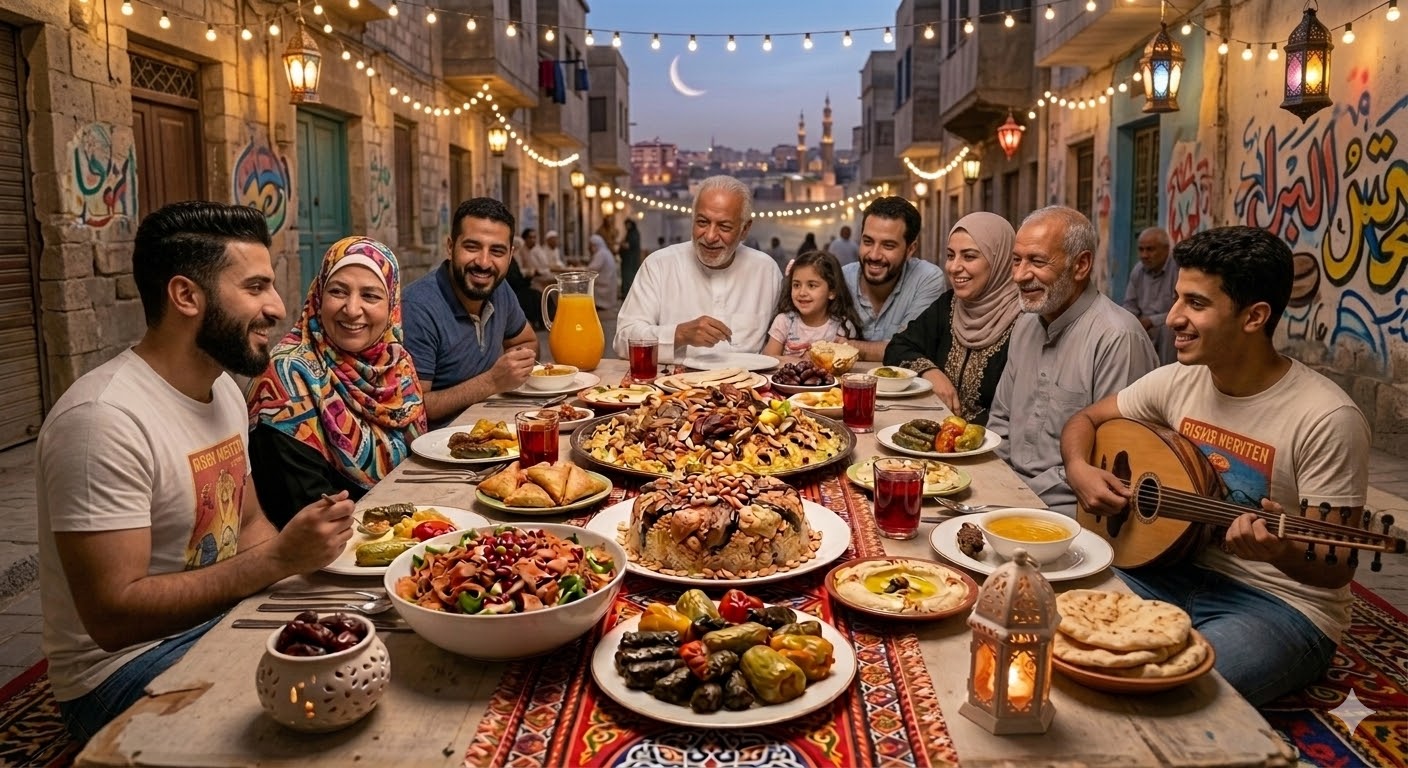
Every year on the 10th of Muharram, millions of families across the Arab world mark Ashura with a rich culinary heritage that transforms kitchens into centers of cultural expression. From Morocco's couscous with dried meat to Libya's sweet pastries, Ashura dishes carry centuries of tradition onto modern dining tables.
From Tripoli to Casablanca, the celebration of Ashura brings families together around carefully prepared meals that honor both religious significance and regional identity. These dishes represent more than food — they are living connections to ancestral customs passed down through generations.
Morocco stands out for its diverse Ashura table, where families prepare "lqriychat" — small hard biscuits that come in both sweet and salty varieties, mixed with dried fruits to create a signature celebration mix. According to Moroccan culinary traditions, this combination symbolizes abundance and sharing during the holy day. The preparation often begins days in advance, with women gathering to shape and bake these treats in communal settings that reinforce social bonds.
In Libya, Ashura celebrations feature distinctive sweets and savory dishes that reflect the country's Mediterranean and Saharan influences. Libyan families prepare special pastries filled with dates and nuts, alongside rice-based dishes that bring extended families together for the occasion. The tradition of preparing Ashura dishes in Libya carries particular significance as a means of preserving cultural identity through food.
The Moroccan tradition of "al-qdid" on Ashura tables represents a particularly fascinating cultural practice. This dried meat preparation, originally developed to preserve the meat from Eid al-Adha sacrifices, transforms into elaborate couscous dishes that families enjoy throughout the year. The practice of preparing couscous with al-qdid during Ashura has become one of the most cherished traditions in Moroccan households, connecting two major Islamic celebrations through cuisine.
According to cultural observers, this tradition demonstrates the resourcefulness of North African culinary heritage, where nothing goes to waste and every ingredient carries meaning. The dried meat technique allows families to extend the joy and sustenance of Eid al-Adha well into the month of Muharram, creating a culinary bridge between the two occasions.
For Libyan families, Ashura dishes represent a vital connection to North African cultural identity that transcends generations. The preparation of traditional recipes provides an opportunity to teach younger family members about heritage and the significance of the holy day. In Libyan households, the Ashura kitchen becomes a classroom where recipes are shared alongside stories of ancestors who prepared the same dishes.
The celebration also offers Libyan women a platform for cultural expression and creativity, as families often add personal touches to traditional recipes while maintaining their core identity. This balance between preservation and adaptation ensures that Ashura culinary traditions remain vibrant and relevant for contemporary Libyan society.
As communities across North Africa continue to celebrate Ashura with traditional dishes, these culinary practices remain powerful vehicles for cultural preservation and family bonding. The aromas filling kitchens from Libya to Morocco carry not just flavors, but memories, values, and connections that define North African identity. Each dish tells a story of resilience, faith, and the enduring power of shared meals to bring people together.
The future of Ashura culinary traditions looks bright as younger generations embrace these customs with renewed enthusiasm, ensuring that the flavors of Ashura continue to grace Arab dining tables for centuries to come.
— LibyaPress / Women's Desk