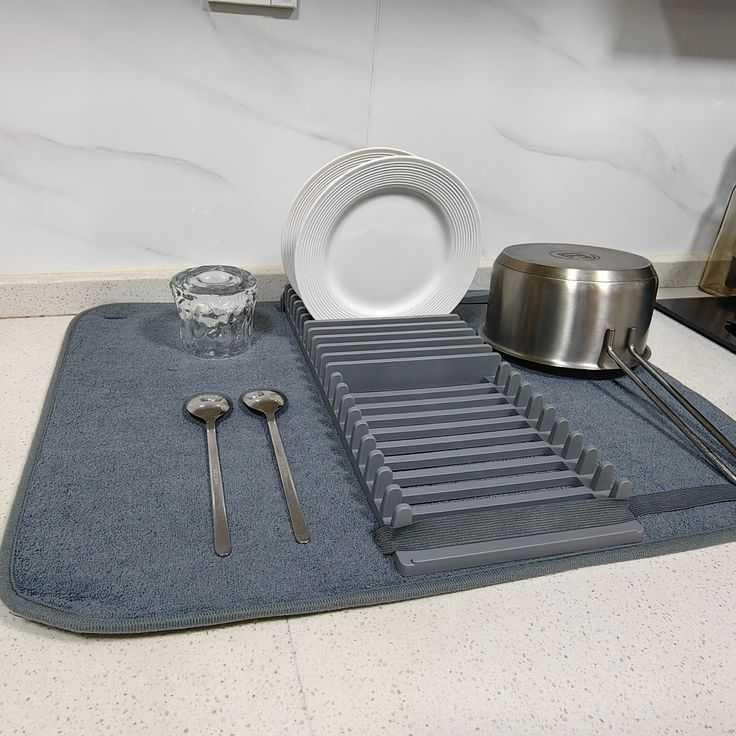
وسادة تجفيف الأطباق للمطبخ
وفر 27%! اشترِ وسادة تجفيف الأطباق للمطبخ بسعر 180.48 د.ل فقط في ليبيا. متوفر حا
🛒 تسوق الآن Libya Press
Benghazi Medical Center concluded on Saturday the Arab Board Fellowship examinations in General Surgery, organized under the auspices of the Arab Council for Health Specialties. The two-day assessment, which began on Friday, marked the second time the center has hosted this prestigious medical qualification process, reinforcing its standing as a regional hub for specialized medical training.
According to Khalil Qweider, Director of the Media Office at Benghazi Medical Center, the examinations were conducted in accordance with the highest scientific and organizational standards, supervised by a distinguished panel of professors and accredited examiners from multiple Arab nations. "This reflects the growing trust in Benghazi Medical Center at the Arab level," Qweider stated.
The examinations brought together 31 doctors from Libya, Jordan, Yemen, Syria, and Palestine, reflecting the Arab Council for Health Specialties' cross-border approach to medical certification. The second day featured the theoretical component, conducted at the center's main hall using slide-based testing methods to assess candidates' clinical knowledge and diagnostic reasoning.
The Arab Board Fellowship represents one of the most rigorous professional assessments in the medical field. Candidates who pass receive a certified qualification recognized across all Arab Council member states, authorizing them to practice general surgery according to unified regional standards. This certification is essential for surgeons seeking to work across different healthcare systems in the Arab world.
The center's selection to host the examination for a second time underscores its rising status as a regional center for specialized medical training and evaluation. Located in Libya's second-largest city, the facility has increasingly positioned itself as a key institution for advancing surgical education in eastern Libya and across North Africa.
This development aligns with broader efforts to standardize medical training throughout the Arab world, reducing disparities in healthcare qualifications and enabling greater professional mobility for medical professionals between member countries of the Arab Council for Health Specialties.
For Libyan physicians, earning the Arab Board Fellowship without traveling abroad represents a significant milestone. It removes the financial and logistical barriers that often prevent Libyan doctors from pursuing advanced surgical certification while ensuring their skills meet internationally benchmarked standards.
The examinations also facilitate direct knowledge exchange between Libyan medical professionals and their counterparts from Jordan, Yemen, Syria, and Palestine. This interaction exposes local practitioners to diverse surgical techniques, treatment protocols, and best practices from across the region, raising the overall quality of surgical care available to Libyan patients.
The Arab Council for Health Specialties works to unify training curricula, examination criteria, and accreditation processes across its member states. By hosting these examinations, Benghazi Medical Center contributes directly to the harmonization of surgical education throughout the region.
The center's growing role in medical certification reflects years of targeted investment in its infrastructure, faculty development, and quality management systems. Beyond its primary mission of patient care, Benghazi Medical Center continues to expand into medical education, professional training, and cross-border academic collaboration. This trajectory positions it as a cornerstone of Libya's healthcare development strategy.
— Libya Press / News Desk