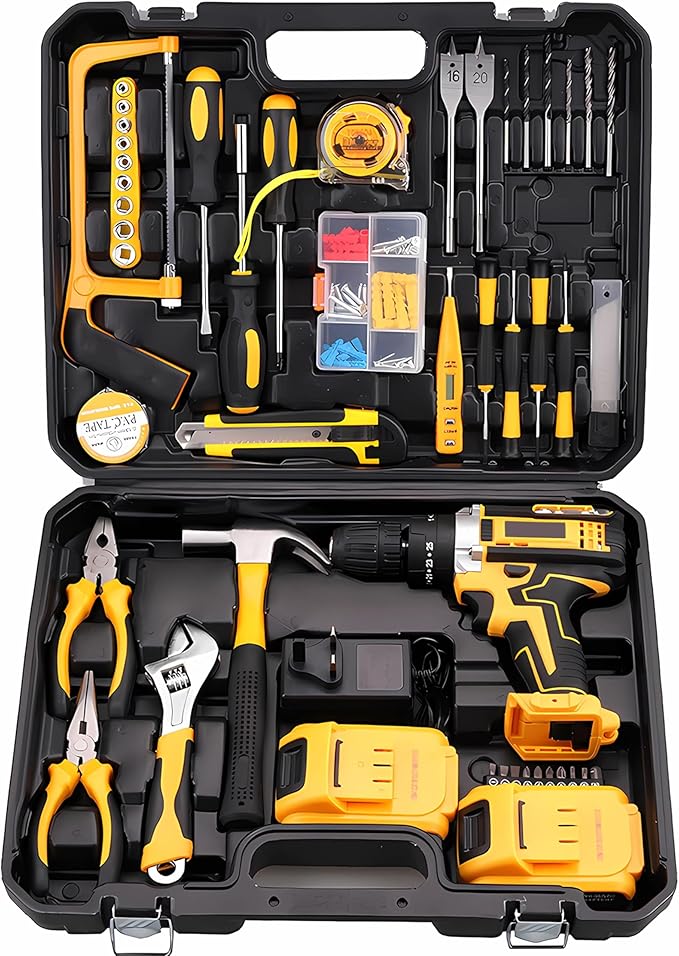
طقم أدوات كهربائية بقوة 48 فولت
وفر 23%! اشترِ طقم أدوات كهربائية بقوة 48 فولت بسعر 549 د.ل فقط في ليبيا. متوفر
🛒 تسوق الآن Libya Press
Benghazi, Libya's second-largest city on the Mediterranean coast, is experiencing a remarkable cultural revival. After more than a decade of conflict and instability following the 2011 civil war, the city is witnessing an unprecedented resurgence of art, music, and creative expression that is helping its residents heal and rebuild their identity.
The most visible symbol of this transformation is the Benghazi Summer Festival, the first major festival held in the city since the outbreak of the civil war. Held at the Martyrs of February stadium, named after those killed during the early days of fighting for control of Eastern Libya, the festival brought together renowned regional rap stars including Egypt's Wegz, Tunisia's Samara, Morocco's Elgrande Toto, and Libya's own Ka7la and Mansour Unknown.
Ahmed Kwifya, the mastermind and head organizer behind the event, revealed that the idea for the festival was conceived four years ago but was impossible to execute at the time due to ongoing instability and a lack of infrastructure. "It wasn't until recently that we realized enough had changed to be able to organize something on this scale," Kwifya explained.
The festival also faced cultural hurdles. During the Gaddafi era, festivals were free to attend, and many residents were initially shocked by ticketed entry. However, the lineup of contemporary rap and pop stars, genres that would never have been featured under the previous regime, quickly won over audiences. Today, most shows sell out.
Beyond music, the festival encompasses a rich arts and culture program. A daily book and arts fair at the Turkish Museum, once an elegant administrative building, features stalls selling translated Western books, olive oil, dates, and woven crafts. The Toubou Culture Saloon Organization used the platform to showcase their tribe's unique history and regional identity, countering years of negative backlash.
Local artist Mohammed Bulifa, known professionally as Bulifa, returned from Tunis to exhibit his signature colorful calligraphy at the festival. "For a long time, the lack of stability and security in the city meant that locals just focused on the essential things," Bulifa said. "It is a privilege to see people enjoying art again."
Student sculptor Anje Elfessi, who created works depicting iconic Libyan landmarks including the Red Castle of Tripoli, Benghazi Lighthouse, Sebha Castle, and the As-Sahabah Mosque, noted a dramatic shift in attitudes toward creative professions. "When I started at university, there were only four people in my class. Now there are fifteen. The Libyan mentality toward art and its importance has really started to change."
The festival also featured football matches, theater performances, and appearances by regional acts including Lebanese singer Wael Jassar, with Brazilian legend Ronaldinho making a special appearance at one of the sporting events.
As Benghazi continues to rebuild, with new arenas and mosques rising alongside war-damaged structures, its cultural renaissance offers a powerful testament to the resilience of its people and the healing power of creative expression.