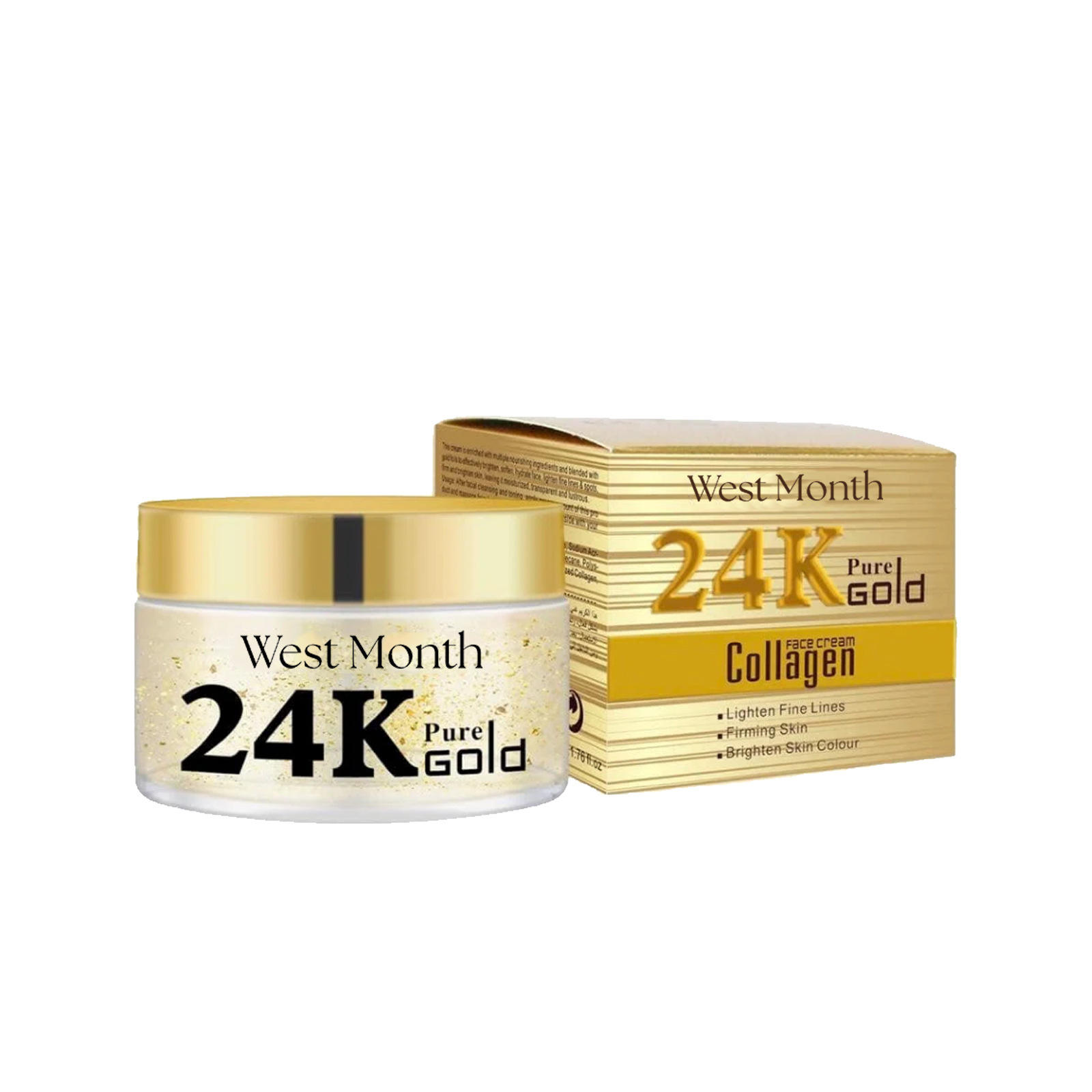
كريم الوجه بالكولاجين والذهب الخالص عيار 24
وفر 18%! اشترِ كريم الوجه بالكولاجين والذهب الخالص عيار 24 بسعر 176.26 د.ل فقط ف
🛒 تسوق الآن Libya Press
US Senior Adviser for Africa Massad Boulos has confirmed that representatives from eastern and western Libya are increasingly setting aside their differences in the national interest, citing recent political and military cooperation as evidence of growing momentum towards unity. In written responses to Asharq Al-Awsat, Boulos outlined what he described as tangible progress since July 2025.
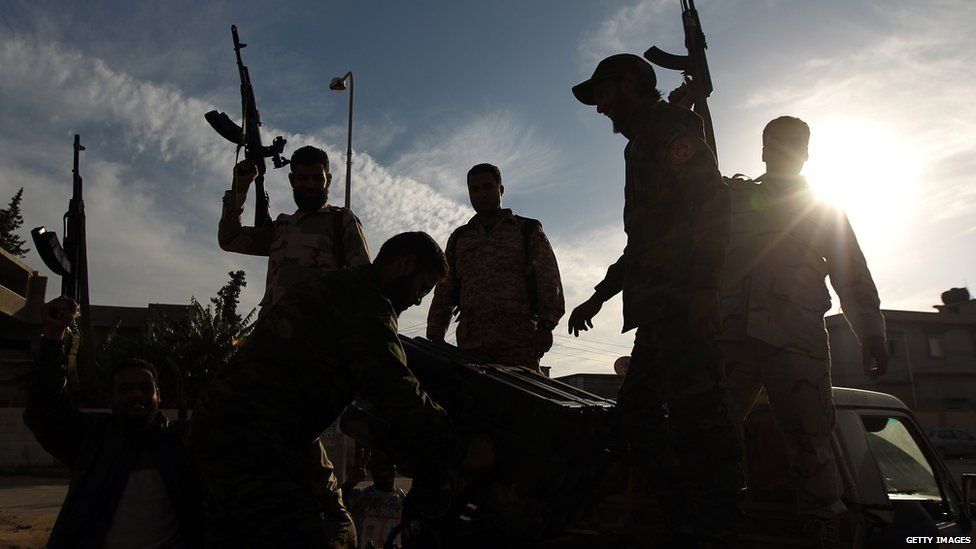
Boulos highlighted several landmark developments: the launch of a unified development programme, the signing of Libya's first unified state budget since 2013, and the participation of military personnel from both eastern and western Libya in the US-led Flintlock 26 exercise in Sirte. He described these as important steps towards strengthening national cohesion.
Boulos stressed that efforts must continue towards unified governance across the country. He described national unity as the foundation of political legitimacy and an essential prerequisite for holding democratic elections, which Libyans have awaited for over a decade.
"Unity is the basis of legitimacy and democratic elections," Boulos stated, adding that any successful political initiative must involve all Libyan regions, institutions and components of society.
The US adviser reaffirmed Washington's support for the roadmap led by the United Nations Support Mission in Libya (UNSMIL). He said the United States is working in close coordination with UN Special Representative Hanna Tetteh to advance the political process, emphasising that the US role complements rather than replaces the UN-led process.
"Libya's future must ultimately be determined by Libyans themselves," Boulos said. The final details of any unification agreement remain the responsibility of Libyan stakeholders, while Washington continues engagement with a broad range of Libyan parties.
Responding to suggestions that renewed US engagement is driven by competition with Russia or China, Boulos rejected the assertion. Washington's objective, he said, is to support a unified Libya capable of safeguarding its sovereignty, strengthening stability and expanding economic opportunities.
On Libya's energy sector, Boulos said US interest extends beyond ensuring continued oil production. Improving the management of oil revenues and public resources is essential to creating conditions for sustainable peace and long-term stability.
Boulos noted that recent progress by the National Oil Corporation (NOC) has attracted growing interest among major US energy companies in investing in Libya through existing oilfields and new exploration opportunities.
Commenting on his recent visit to Misrata, Boulos said he met the city's Council of Elders and elected municipal leaders. The visit came amid reservations expressed by some groups in Misrata regarding aspects of the reported US initiative. However, Boulos said his meetings underscored the importance of dialogue with local stakeholders to ensure any political process reflects Libyan views across the country.
Boulos reaffirmed the United States' commitment to supporting a Libyan-led political process aimed at achieving lasting stability, unifying state institutions and paving the way for a comprehensive political settlement. His statements come at a critical juncture, where political divisions have persisted since 2014 with rival administrations in Tripoli and the east. International observers note that while challenges remain, the recent cooperation signals represent the most promising momentum toward reconciliation in years.
— Libya Press / News Desk