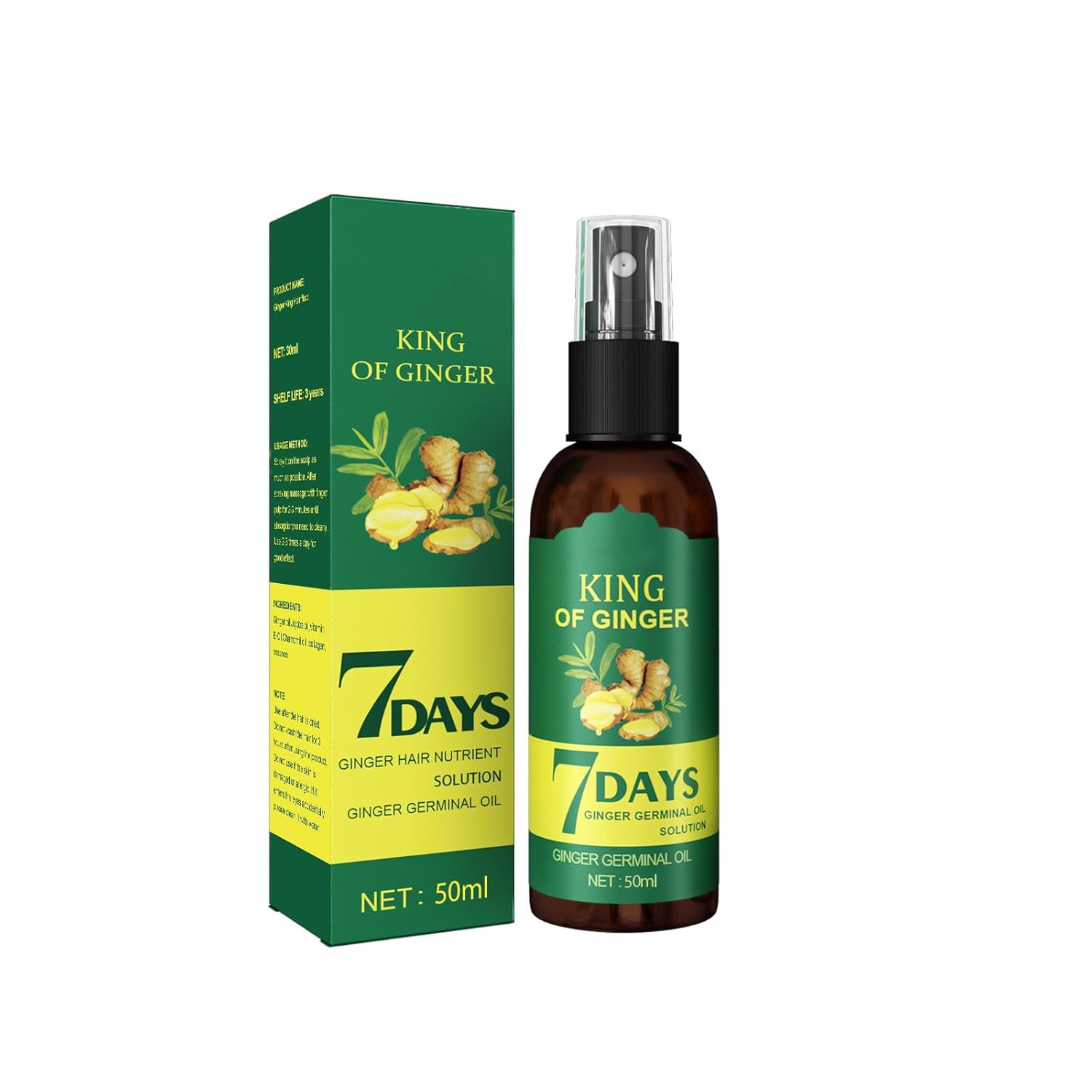
سيروم الزنجبيل لنمو الشعر
وفر 38%! اشترِ سيروم الزنجبيل لنمو الشعر بسعر 166.08 د.ل فقط في ليبيا. متوفر حال
🛒 تسوق الآن Libya Press
US Presidential Adviser Massad Boulos emphasized on Monday that Libya's path to lasting stability requires a credible, Libyan-led political process that unifies institutions and restores economic vitality. The comments come amid ongoing discussions about the future of Libya's fragmented political landscape and the role of international engagement in supporting domestic reconciliation efforts.
Speaking on his X-Platform account, Boulos stated that the United States remains committed to supporting Libyan-led efforts to overcome divisions and promote lasting stability. "Libya's path to lasting stability requires a credible, Libyan-led political process that unifies institutions and restores economic vitality," Boulos wrote, highlighting the importance of domestic ownership in any political solution.
The US presidential adviser's remarks align with ongoing diplomatic efforts to facilitate dialogue between Libya's various political factions. According to sources familiar with the discussions, the US is prepared to continue its engagement with Libyans across all regions in support of a unified political framework that can address both governance challenges and economic recovery.
Boulos concluded by reaffirming the United States' commitment to maintaining engagement with Libyans in all regions in support of a Libyan-led political process aimed at achieving lasting stability, unifying state institutions and paving the way for a comprehensive political settlement. This statement underscores the US approach of supporting Libyan ownership while providing technical assistance and diplomatic facilitation.
The administration's position reflects a broader consensus among international partners that sustainable peace in Libya requires internal legitimacy rather than external imposition. The UN Support Mission in Libya (UNSMIL) has echoed similar sentiments, emphasizing that any political solution must emerge from Libyan consensus rather than being imposed by external actors.
For Libya, the challenge remains significant given the country's fragmented governance structure that has persisted since the fall of Muammar Gaddafi. The Government of National Unity, based in Tripoli, has struggled to exercise effective control over territory, while eastern factions maintain parallel institutions. Economic recovery efforts have been hampered by this institutional fragmentation, with oil production remaining below pre-conflict levels despite occasional increases.
The Central Bank of Libya continues to operate from Tripoli, but its ability to coordinate monetary policy across the country is limited by the lack of unified governance. The National Oil Corporation, meanwhile, has faced ongoing challenges in maintaining production levels due to security concerns and political disputes over revenue distribution.
Restoring economic vitality represents a critical component of any long-term stability strategy for Libya. The country's GDP contracted by approximately 60% during the peak years of conflict, and while modest recovery has occurred, unemployment rates remain high, particularly among youth. The World Bank estimates that Libya's per capita GDP is still roughly 40% below pre-conflict levels.
Infrastructure reconstruction presents another major challenge, with basic services remaining inconsistent across different regions. Electricity generation, water supply, and healthcare services have all been affected by years of underinvestment and security disruptions. International donors have expressed willingness to support reconstruction efforts, but emphasize that such support requires a unified and legitimate government to receive and manage resources effectively.
Regional actors have generally supported the concept of Libyan-led reconciliation, though with varying degrees of engagement. African Union members have emphasized the importance of Libyan ownership while offering technical assistance for electoral processes and institutional development. European Union partners have focused on migration management and economic development as key stability factors.
The Gulf Cooperation Council states have maintained cautious engagement, with Qatar and Oman playing active roles in facilitating dialogue between different Libyan factions. Turkey and Egypt have pursued their own approaches, with Turkey supporting the Government of National Unity and Egypt maintaining ties with eastern factions. The United States position, as articulated by Boulos, appears designed to avoid taking sides while supporting the overall goal of Libyan unity and stability.
— Libya Press / News Desk