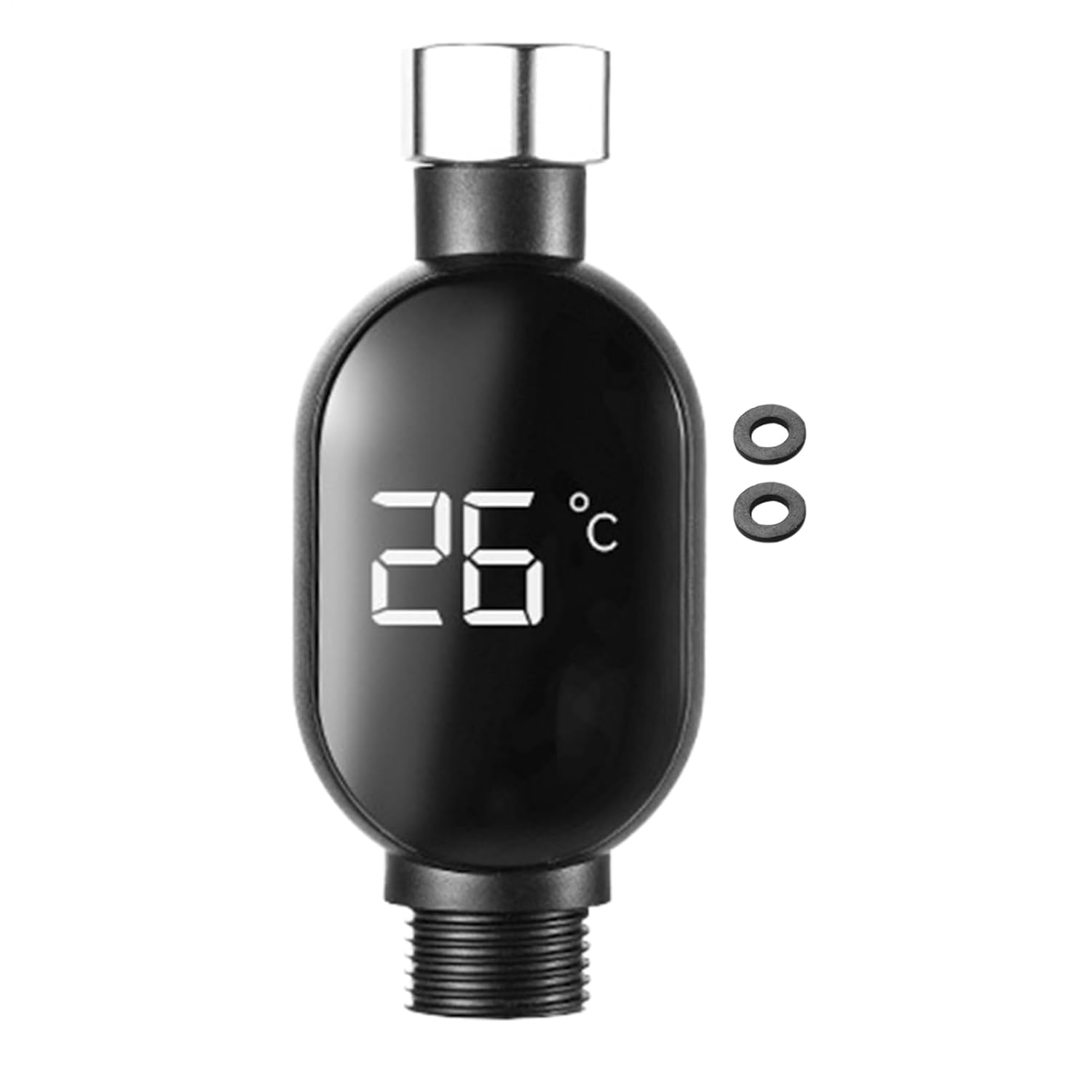
جهاز مراقبة درجة حرارة تدفق المياه
وفر 35%! اشترِ جهاز مراقبة درجة حرارة تدفق المياه بسعر 163.2 د.ل فقط في ليبيا. م
🛒 تسوق الآن Libya Press
Prof. Dr. Ibrahim Mohamed Eldaghayes is a Full Professor of Virology, Vaccinology, and Immunology at the Faculty of Veterinary Medicine, University of Tripoli. He earned his PhD from the University of Bristol (United Kingdom) between 2001 and 2005, specializing in virology and immunology — laying the foundation for a career bridging Libyan veterinary medicine with international scientific standards.
Today, Eldaghayes serves as Head of the Department of Microbiology and Parasitology, a role he first assumed in 2011-2012. He also heads the Staff Members Affairs Office at the faculty, demonstrating his commitment to both academic leadership and institutional development.
Eldaghayes' research addresses pressing animal and public health challenges facing Libya and the broader MENA region. In a pivotal 2022 study with Abdulwahab Kammon and Mosbah Doghman, he conducted surveillance of avian influenza virus type A in live bird markets in Tripoli, providing critical data on influenza circulation in Libyan poultry markets. His research also covers Cronobacter spp. identification, antimicrobial susceptibility, food safety microbiology, and molecular epidemiology of livestock diseases.
Professor Eldaghayes has been actively involved in regional efforts coordinated by the World Organisation for Animal Health (WOAH) to combat foot-and-mouth disease in Libya. Alongside Abdunaser Dayhum, he presented FMD surveillance strategies at the WOAH Regional Conference for Africa in Cairo (2019). His adoption of the One Health concept — recognizing the interconnection of human, animal, and environmental health — is particularly relevant for Libya, where zoonotic diseases and cross-border livestock trade pose ongoing risks to public health.
Eldaghayes serves as Editor-in-Chief of the Open Veterinary Journal, an internationally indexed, peer-reviewed publication based at his faculty. Under his leadership, the journal has expanded its global reach, providing a vital platform for veterinary researchers across Africa and the Middle East. He also founded eldaghayes.com, an academic publishing platform supporting Libyan and regional researchers in disseminating their work.
Beyond the university, Professor Eldaghayes serves as Scientific Advisor for the Libyan National Center of Animal Health (2017-present), guiding disease surveillance, vaccine policy, and animal health strategy. He also served on its Administrative Committee (2012-2014), contributing to its foundational establishment. His work with the Libyan Expert Committee on livestock disease control places him at the nexus of Libyan scientific expertise and global animal health standards.
With over 1,024 citations across virology, microbiology, immunology, and epidemiology, Professor Eldaghayes is recognized as one of Libya's foremost veterinary scientists. His work has attracted international award nominations, reflecting the global resonance of his contributions. In a country where higher education has endured decades of underinvestment, his sustained productivity represents a model of resilience and professional dedication.
Libya's veterinary sector faces substantial challenges: limited laboratory infrastructure, gaps in disease surveillance, and the need for stronger regional cooperation. However, with scientists like Professor Eldaghayes training the next generation of Libyan veterinarians and virologists, the foundation for progress is being laid. His career illustrates that Libyan researchers can achieve international recognition while serving their local communities — a blueprint for rebuilding Libya's scientific capacity as zoonotic disease threats continue to emerge across Africa and the Mediterranean basin.
— Libya Press / Health Desk