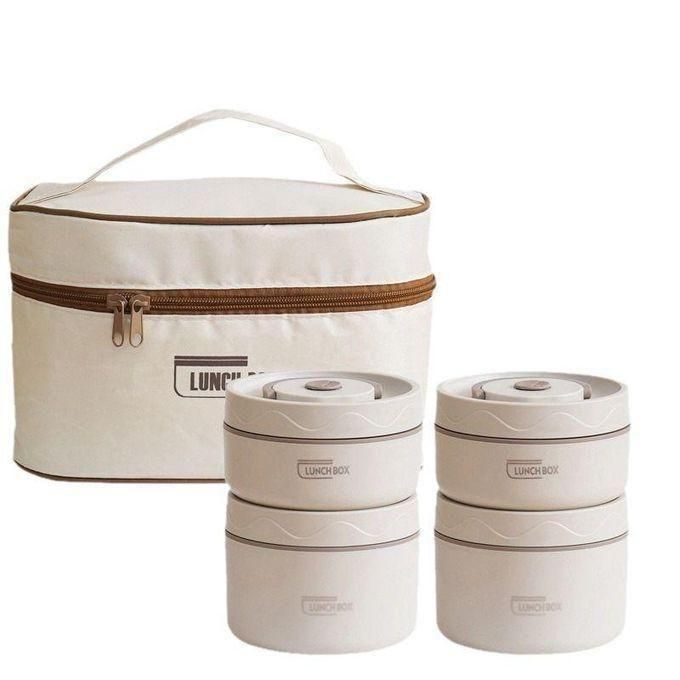
معقم للقدمين بزيت شجرة الشاي
وفر 27%! اشترِ معقم للقدمين بزيت شجرة الشاي بسعر 166.08 د.ل فقط في ليبيا. متوفر
🛒 تسوق الآن Libya Press
A CBC News visual investigation has revealed that Canadian-manufactured Sterling Cross rifles are being used by armed groups in both Sudan and Libya, raising urgent questions about arms export controls and the flow of Western weapons into active conflict zones across North Africa. The findings, published this morning, add to growing international concern over how legally exported military-grade equipment ends up in the hands of non-state actors fueling violence in fragile states.
CBC's visual investigation team used open-source intelligence, satellite imagery, and on-the-ground video footage to trace Sterling Cross rifles — manufactured in Canada — to multiple armed factions operating in Libya and Sudan. The investigation identified the weapons in combat zones where civilian casualties have been mounting for months. The rifles were originally exported through legal channels, but their eventual diversion to unauthorized armed groups highlights critical gaps in end-user monitoring and international arms tracking mechanisms.
The revelations arrive at a sensitive moment in Canadian politics. Prime Minister Mark Carney's cabinet recently gained the authority to authorize the use of previously banned pesticides, a move that has drawn sharp criticism from environmental and public health advocates. Meanwhile, Conservative leader Pierre Poilievre held a news conference in Vancouver today, June 19, 2026, where he addressed a range of domestic and foreign policy issues. The opposition has seized on the CBC findings to question the government's oversight of defense exports and its broader commitment to international humanitarian law.
For Libyans, the presence of foreign-manufactured weapons in the hands of armed militias is not an abstract policy debate — it is a daily reality that shapes life and death. Since the fall of the Gaddafi regime in 2011, Libya has been flooded with weapons from dozens of international suppliers. Armed groups across the country, including factions in Tripoli, Benghazi, and the southern Fezzan region, have used foreign-sourced rifles and heavy weaponry in clashes that have killed thousands of civilians and displaced hundreds of thousands more. The CBC findings underscore how Libya remains one of the world's most heavily armed and volatile states, where weapons legally sold to one party quickly proliferate across borders and conflict lines.
LibyaPress has consistently reported on the devastating impact of unregulated arms flows on Libyan civilians. The CBC investigation provides concrete, visual evidence that Western-manufactured weapons are actively contributing to violence on Libyan soil. This is not merely a Canadian story — it is a Libyan story. Every rifle that reaches an unauthorized armed group represents a direct threat to civilian safety, to the prospects for political reconciliation, and to the stability that Libyans have been demanding for over a decade. The international community, including Canada, bears a responsibility to strengthen end-user verification and to support the United Nations arms embargo on Libya with genuine enforcement mechanisms rather than diplomatic statements alone.
Pressure is mounting on the Canadian government to launch a formal review of its arms export licensing process and to cooperate fully with international investigations into weapons diversion. The CBC investigation is expected to prompt parliamentary hearings in Ottawa, and human rights organizations are calling for an independent audit of all Canadian defense exports to conflict-affected regions in North Africa and the Middle East. For Libya, the findings reinforce the urgent need for a unified government capable of securing its borders and disarming the militias that continue to destabilize the country. The path to peace in Libya requires not only internal political will but also accountability from the international arms trade that fuels the violence.
— LibyaPress / Libya Desk