
جهاز التدليك
وفر 39%! اشترِ جهاز التدليك بسعر 238.08 د.ل فقط في ليبيا. متوفر حالياً، الدفع عن
🛒 تسوق الآن Libya Press
A severe security breach has unfolded in the strategic city of Az Zawiyah, resulting in the confirmed death of personnel from the 103 Infantry Battalion. This escalation follows a sudden and violent armed attack that targeted key military positions within the city, sparking fears of wider regional instability.
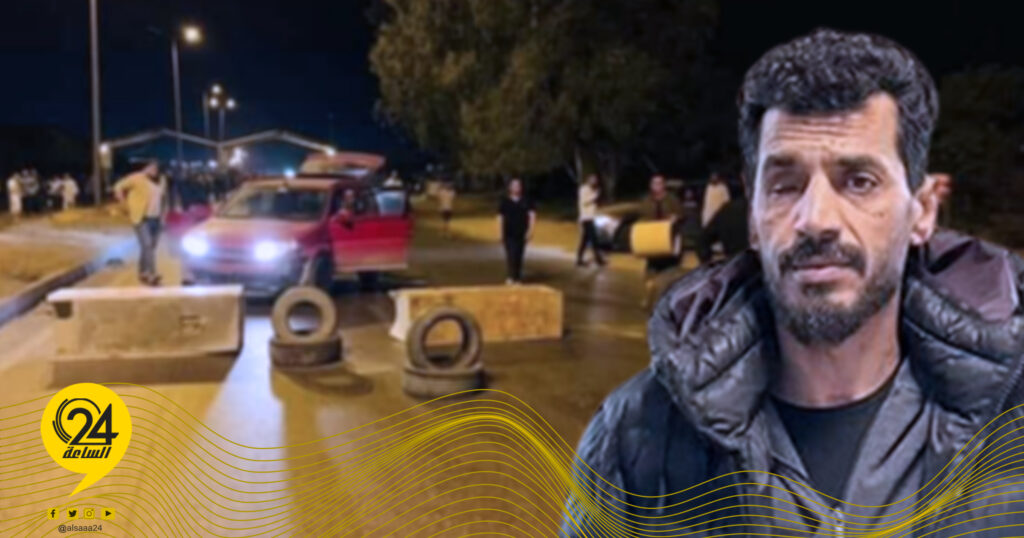
According to official reports from the 103 Infantry Battalion—widely known as the "Silaa Battalion" and operating under the command of Othman al-Lahab—the assault was concentrated on the Bir Terfas gate. The attack occurred during the early hours of the morning, catching security forces in a state of surprise.
The operation was characterized by intense gunfire and high-precision strikes, designed to breach the perimeter and neutralize the guards. The sheer violence of the encounter led to immediate casualties and significant logistical disruption for the forces stationed at the gate.
Beyond the loss of life, the battalion confirmed that several military vehicles and tactical assets belonging to the joint force were severely damaged. The damage to these assets hinders the immediate ability of the local forces to maintain a cohesive defensive line around the city's western entrances.
The human toll of the confrontation has been verified by regional media sources, including Baghdad Today. The clashes resulted in multiple deaths, confirming that the attack was not merely a skirmish but a lethal operation against the battalion's ranks.
Among those killed in the line of duty are Ashraf Sakah and Mohammed bin Koura. Both men were active members of the 103 Infantry Battalion, serving in one of the most critical sectors of the city's security apparatus. Their deaths have sent shockwaves through the local military community in Az Zawiyah.
The loss of these experienced personnel highlights the extreme volatility that continues to plague the western region of Libya. In these areas, local battalions often find themselves trapped in the crossfire of shifting political alliances and sudden incursions by militant groups seeking to assert dominance over strategic corridors.
Az Zawiyah has historically served as a flashpoint for armed conflict due to its proximity to the capital, Tripoli, and its vital oil refinery infrastructure. The deployment of the 103 Infantry Battalion toward the refinery road was a calculated move intended to mediate and resolve escalating clashes between rival security agencies.
However, the intervention of the "Silaa Battalion" did not prevent the latest surge in violence. Instead, the area has become a tactical battlefield where the lines between law enforcement and militia warfare blur, leaving the civilian population in a state of constant anxiety.
Current intelligence indicates that the security environment remains fluid. Reinforcements are currently being surged into the city to stabilize the perimeter around the Bir Terfas gate and to prevent the attackers from establishing a permanent foothold in the sector.
This incident is a stark reminder of the fragile nature of the current ceasefire agreements in Libya. When strategic hubs like Az Zawiyah succumb to targeted assassinations and armed raids, it signals a systemic failure in the national security architecture.
The ability of local forces to maintain order is frequently compromised by the lack of a unified command structure, allowing opportunistic groups to challenge the state's monopoly on force. Without a comprehensive and coordinated national security strategy, these "security pockets" will continue to be targets of violence.
Ultimately, the safety of both military personnel and the residents of Az Zawiyah depends on the ability of the central government to integrate these local battalions into a transparent, professional military framework that prioritizes stability over factional loyalty.
— Libya Press / Security Desk