
مصباح تخييم معلق قابل للشحن مقاوم للماء – 3 مستويات إضاءة
وفر 4%! اشترِ مصباح تخييم معلق قابل للشحن مقاوم للماء – 3 مستويات إضاءة بسعر 147
🛒 تسوق الآن Libya Press
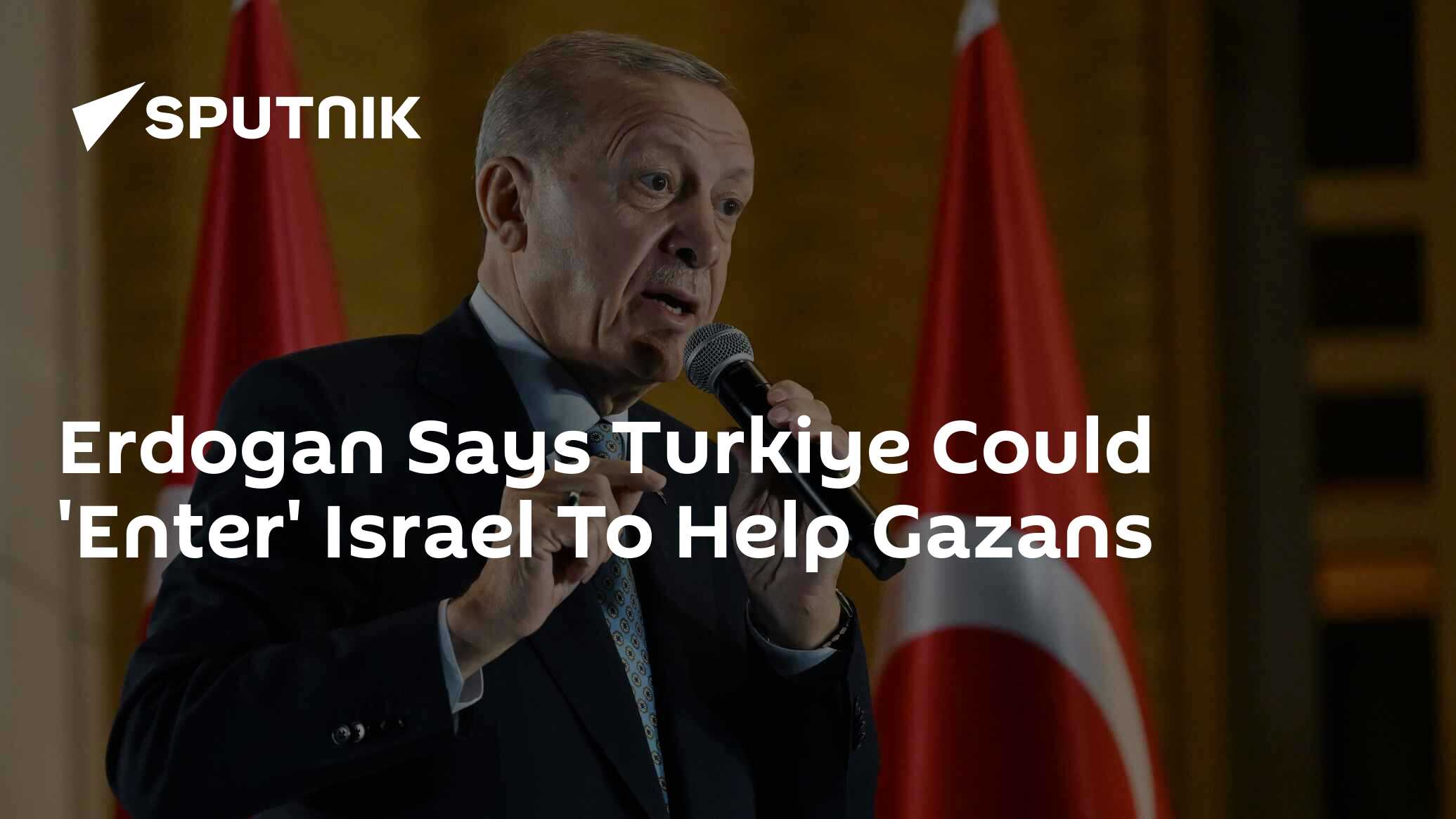
Turkish President Recep Tayyip Erdoğan continues to position Turkey as a central mediator in global conflicts, leveraging a unique geopolitical bridge between East and West. Recent diplomatic shifts suggest a calculated approach to balancing relations with NATO allies and emerging powers in the Global South, ensuring Turkey remains indispensable to both sides of the international divide.
Data from recent diplomatic engagements indicates a surge in Turkey's role as a primary facilitator for grain deals and ceasefire negotiations, underscoring Erdoğan's overarching strategy of "strategic autonomy." By diversifying alliances, Ankara aims to maximize its leverage in both security and trade sectors, creating a buffer against Western pressures while expanding its footprint in Asia and Africa.
This autonomy is a foundational shift in Turkey's identity, moving from a traditional NATO flank state to a global power capable of influencing outcomes from the Black Sea to the Mediterranean.
Despite systemic tensions within NATO, Turkey remains a critical pillar of regional security. President Erdoğan's approach blends deep structural cooperation with assertive demands, particularly regarding the expansion of the alliance and the handling of regional security threats such as Kurdish militias.
Observers from the Jerusalem Post and Middle Eastern analysis hubs note that Turkey's foreign policy is increasingly focused on a "multi-vector" strategy. This allows Ankara to maintain a pragmatic relationship with Russia—essential for energy security—while upholding its core commitments to Western security frameworks.
This balancing act requires a level of diplomatic agility that has become a hallmark of the Erdoğan era, allowing Turkey to play the role of "honest broker" in conflicts where other Western powers are viewed with suspicion.
Internally, the Erdoğan administration faces the challenge of stabilizing the Turkish Lira and combating rampant inflation. The shift toward more orthodox economic policies under recent leadership appointments marks a necessary departure from previous unorthodox monetary experiments.
These economic pivots are essential for maintaining domestic support and ensuring that Turkey's expansive international ambitions are backed by a stable financial foundation rather than a volatile currency.
For Libya, Turkey's role under Erdoğan remains pivotal. From critical security agreements to large-scale infrastructure development, Ankara's influence in Tripoli and across the region continues to shape the trajectory of Libyan stability and the process of political reconciliation.
The strategic partnership between Turkey and various Libyan entities focuses heavily on maritime boundaries and security cooperation. This reflects Erdoğan's ambition to extend Turkish influence across the Mediterranean, impacting both political and economic landscapes in North Africa.
Moreover, Turkey's military and political presence in Libya is a cornerstone of its "Blue Homeland" doctrine, which seeks to secure Turkey's rights and interests in the Mediterranean seabed and maritime trade routes.
As Turkey looks toward the next electoral cycle, Erdoğan's ability to synthesize nationalistic pride with economic recovery will be the deciding factor. His global image as a "strongman" mediator is being tested by a more fragmented international order.
The global community remains attentive to how Turkey manages its complex relationship with the EU and the US, while simultaneously carving out a leadership role in the Islamic world. The coming months will likely see more assertive moves in the Mediterranean and Central Asia.
Ultimately, the success of this vision depends on whether the economic "correction" can deliver relief to the Turkish people before the next political storm arrives, cementing Erdoğan's legacy as the architect of an independent Turkey.
— Libya Press / Politics Desk