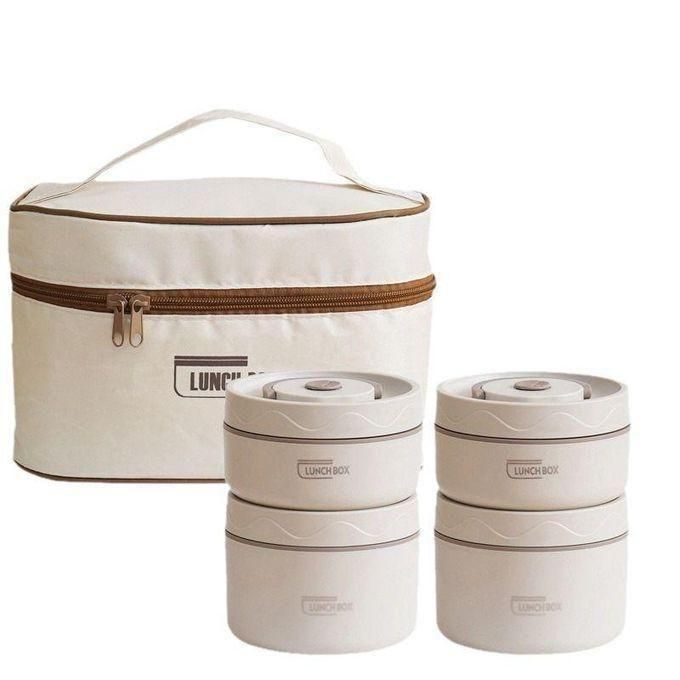
صندوق غداء حراري مع حقيبة محمولة
وفر 24%! اشترِ صندوق غداء حراري مع حقيبة محمولة بسعر 298 د.ل فقط في ليبيا. متوفر
🛒 تسوق الآن Libya Press
When it comes to dealing with Iran, the Donald Trump of 1987 offers remarkably useful advice to the Donald Trump of today. In "The Art of the Deal," Trump famously warned that "the worst thing you can do is sit on the fence." This 39-year-old advice suddenly resurfaces as the United States faces renewed tensions with Iran over nuclear negotiations, regional influence, and the specter of renewed conflict.
According to new research, the current crisis stems from a complex interplay of economic sanctions, regional proxy conflicts, and diplomatic stalemates that have persisted for over two decades.
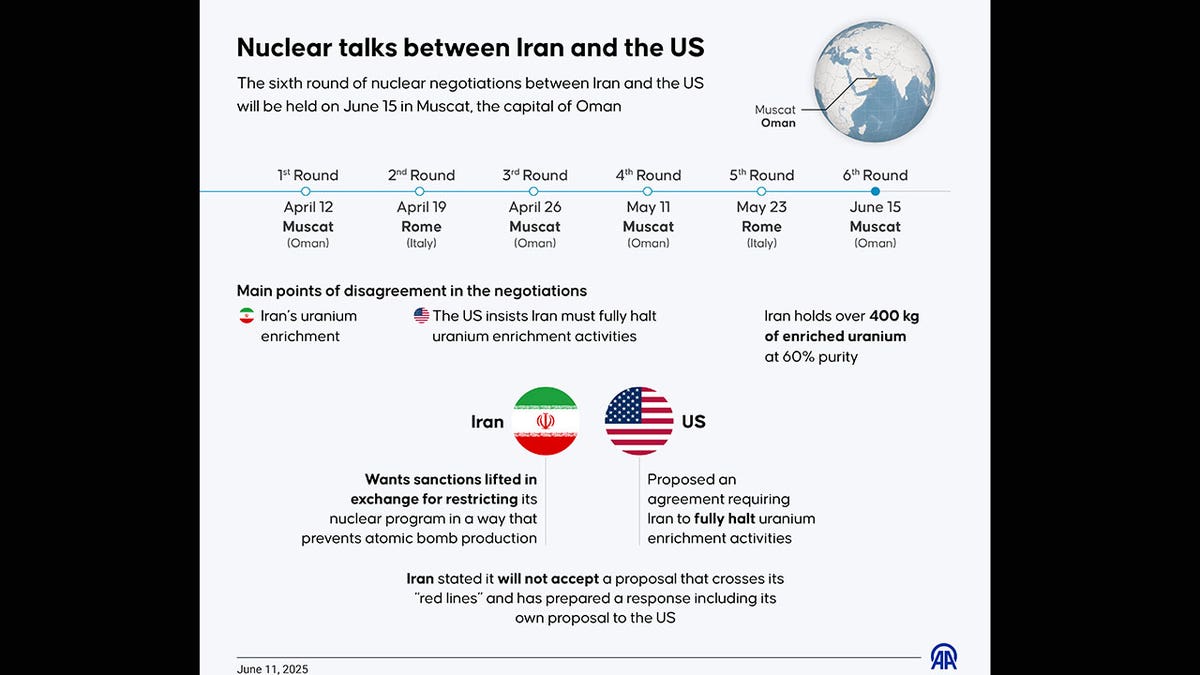
The situation has deteriorated significantly since the Obama-era Iran nuclear deal, formally known as the Joint Comprehensive Plan of Action (JCPOA), which was signed in 2015 and placed strict limits on Iran's nuclear program in exchange for sanctions relief. When the United States withdrew from the agreement in 2018 under President Trump, Iran gradually resumed its nuclear activities, reaching levels that concern international inspectors.
By 2025, Iran had enriched uranium to 60% purity — just short of the 90% needed for weapons-grade material — raising alarms among Western powers and regional allies alike.
"The worst thing you can do is sit on the fence and try to please both sides," Trump wrote in 1987, advice thatCharles Matseke argues is directly applicable to today's Iran policy. The author of " CHARLES MATSEKE | Trump, Iran and the Spectacle of Permanent Crisis" notes that consistent, decisive policy-making — rather than shifting positions — would have prevented the current crisis.
Matseke, a journalist with over 15 years covering Middle Eastern geopolitics, argues that the "spectacle of permanent crisis" serves political interests more than national security, creating a cycle of tension that benefits neither the United States nor regional stability.
Libya finds itself in a complex position as regional powers navigate this renewed U.S.-Iran tension. The country's strategic location between Europe and Africa makes it a critical player in regional security dynamics. Libyan officials have expressed concerns about increased drone activity and arms proliferation that could destabilize the fragile political process.
With Libya still recovering from years of conflict, the renewed U.S.-Iran standoff threatens to inject additional volatility into an already tense situation. Local analysts warn that foreign powers may exploit Libya's divisions to advance their own agendas in this new crisis phase.
The international community faces a critical choice: continue the cycle of sanctions and threats, or pursue a diplomatic path that addresses both nuclear concerns and regional security. Experts suggest that a renewed negotiation framework — possibly involving European, Russian, and Chinese mediators — could break the current impasse.
What's clear is that the "spectacle of permanent crisis" cannot continue indefinitely. The United States, Iran, and regional stakeholders must choose between escalation and de-escalation — and history will judge those decisions based on whether they prioritize peace over political theater.