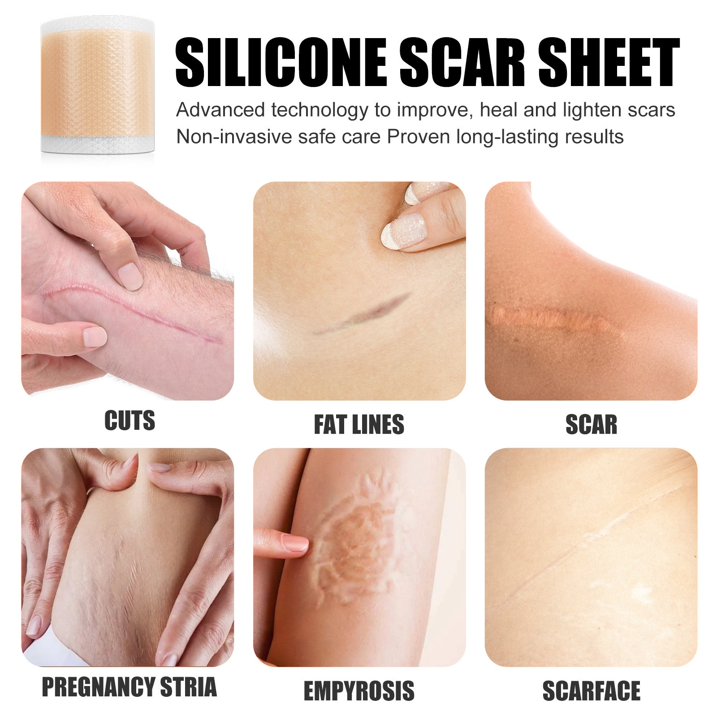
صفائح سيليكون لعلاج الندبات
وفر 12%! اشترِ صفائح سيليكون لعلاج الندبات بسعر 176.26 د.ل فقط في ليبيا. متوفر ح
🛒 تسوق الآن Libya Press
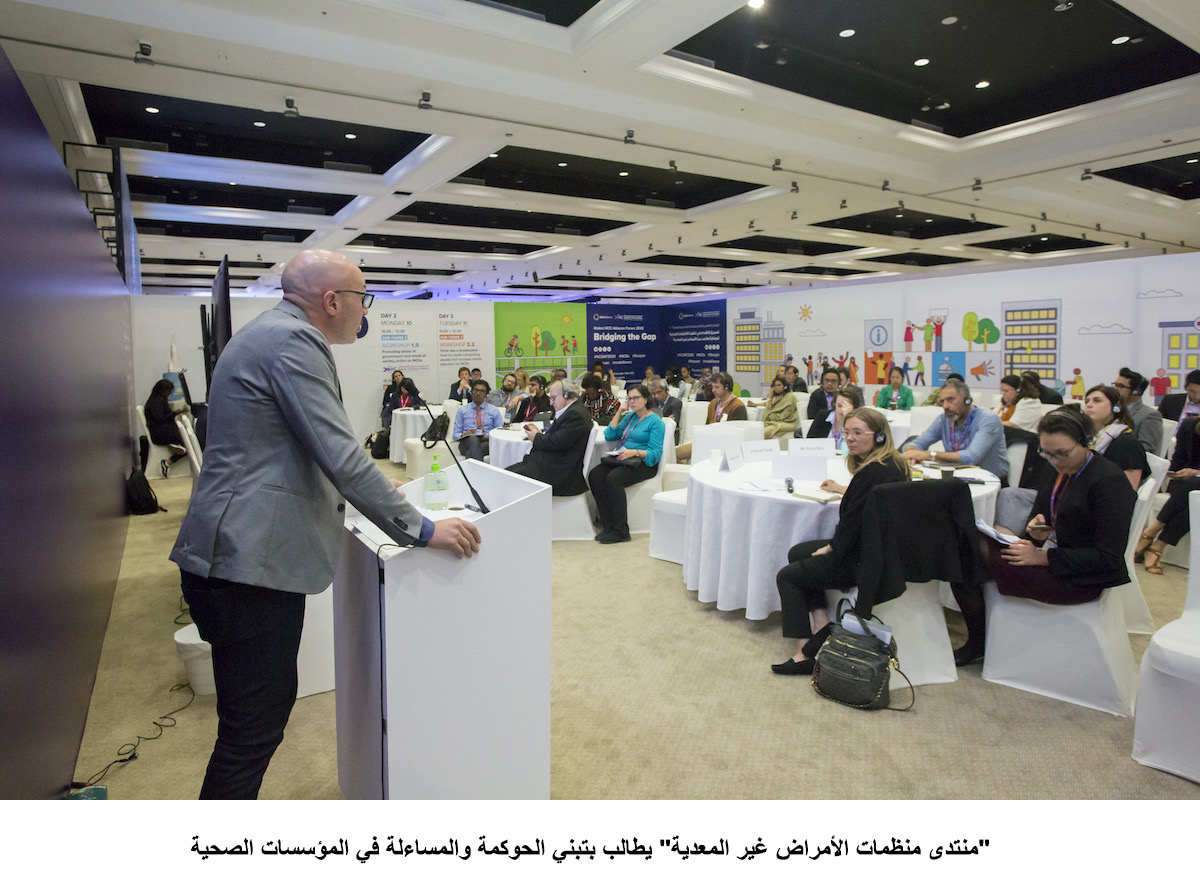
Chennai, India — A three-day state-level conference on non-communicable diseases (NCDs) opened in Chennai on July 10, 2026, bringing together more than 250 delegates and over 50 renowned national and international speakers. Organised by Sri Ramachandra Institute of Higher Education and Research (SRIHER) in association with the Indian Association of Preventive and Social Medicine (IAPSM) — Tamil Nadu Chapter, the conference centres on the theme "Integrating Public Health and Clinical Care for Control of Non-Communicable Diseases."
Non-communicable diseases — including cardiovascular diseases, cancers, diabetes, and chronic respiratory conditions — are the leading cause of death worldwide, claiming over 43 million lives annually according to United Nations data. The World Health Organization has identified NCDs as the single biggest health challenge of the 21st century, with low- and middle-income countries bearing 85 per cent of the burden.
In Libya, NCDs account for an estimated 75 per cent of all deaths, with cardiovascular disease, diabetes, and cancer among the top causes. The Libyan healthcare system faces mounting pressure as lifestyle-related diseases rise alongside an already challenging epidemiological landscape.
Inaugurating the conference, Dr. A. Somasundaram, Director of Public Health and Preventive Medicine for the Government of Tamil Nadu, highlighted the state's evolving demographic patterns and the steady increase in its urban population. He stressed the urgent need to strengthen public health interventions in urban areas, noting that Tamil Nadu has already established 708 Urban Health and Wellness Centres to improve access to primary healthcare.
"While communicable diseases are being effectively managed through the state's strengthened public health system, NCDs continue to pose a major challenge — affecting not only the elderly but also younger populations," Dr. Somasundaram said. He called upon physicians to adopt a public health perspective alongside clinical practice, stating that every physician should view health through a public health lens rather than solely a clinical one.
The conference features a robust programme bridging clinical medicine and public health. Pre-conference workshops held at the SRIHER campus included sessions on "Artificial Intelligence in NCD Research: From Prompt to Publication" and "Journey to Disease Reversal and Health System Integration," attracting enthusiastic participation from postgraduate students and faculty members.
Dr. Somasundaram noted the significant transformation in public health over the past two to three decades in Tamil Nadu and expressed the Department of Public Health's willingness to collaborate with academic institutions on research projects and public health initiatives. This partnership model between government public health agencies and academic medical centres is seen as a replicable framework for other regions facing similar NCD burdens.
Libya faces a dual burden of disease, with NCDs rising steadily. The Ministry of Health has identified cardiovascular diseases, diabetes, and cancer as priority areas requiring integrated prevention and control strategies. Lifestyle factors such as tobacco use, physical inactivity, and unhealthy diets are contributing to the rising incidence of NCDs across Libyan communities.
The Chennai conference's emphasis on integrating public health with clinical care offers a model that could inform Libya's own NCD strategy. Strengthening primary healthcare centres, investing in community medicine, and leveraging data-driven approaches are key lessons that could be adapted to the Libyan context.
— Libya Press / Health Desk